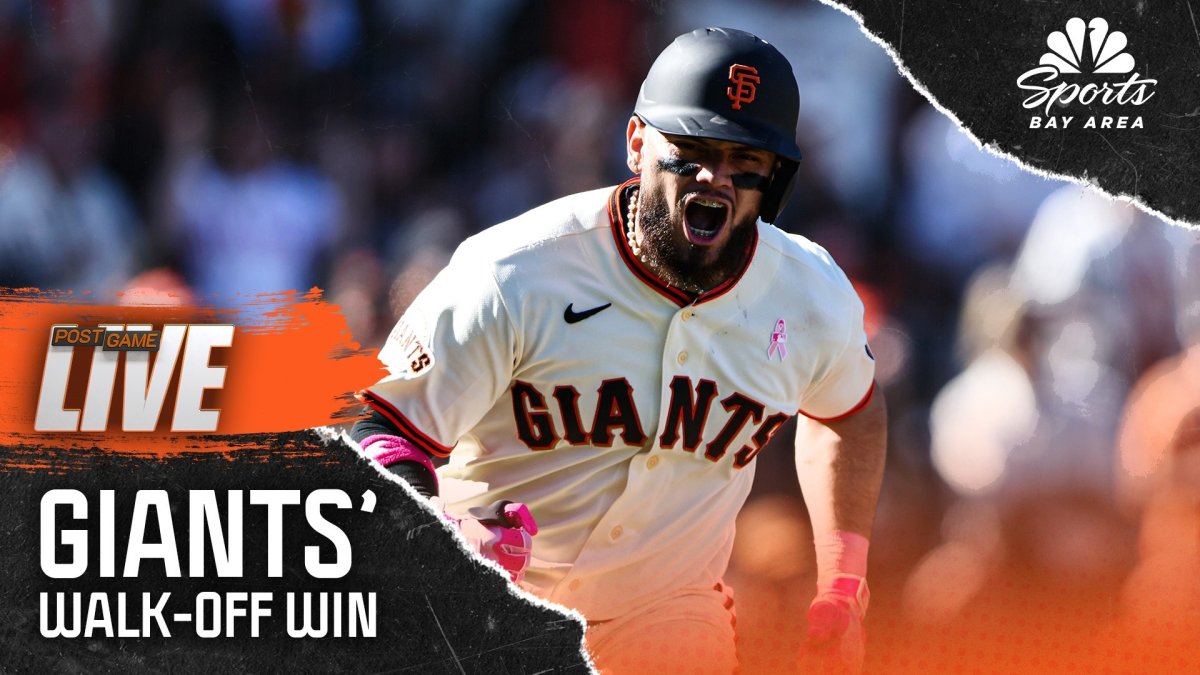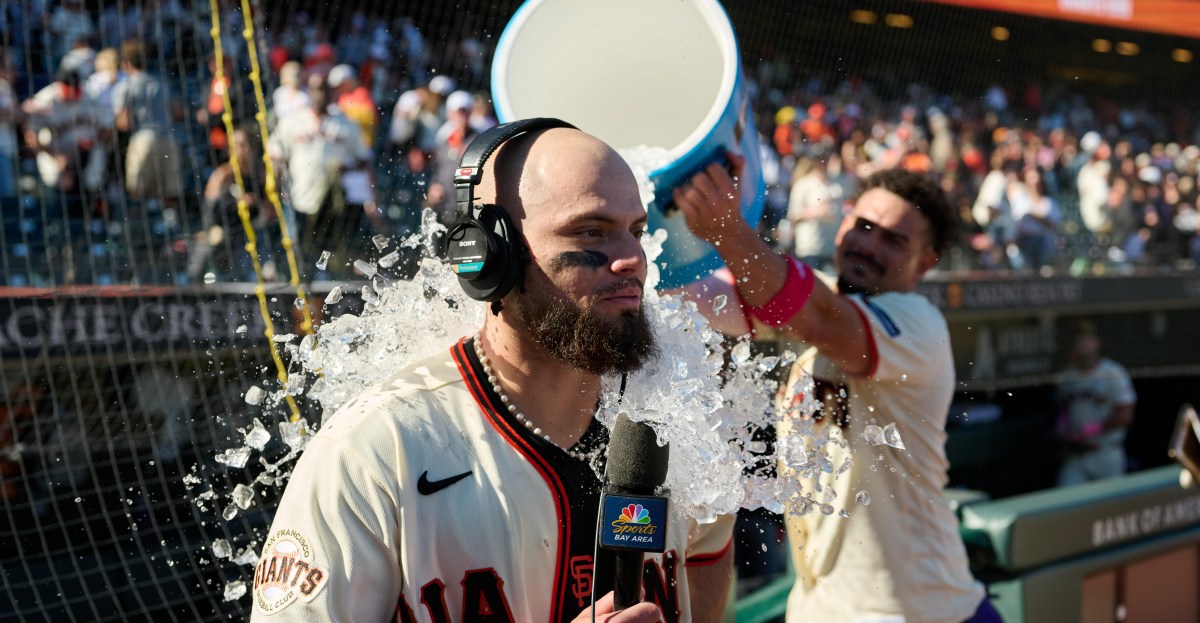
The San Francisco Giants’ dramatic 12th-inning walk-off win against the Pittsburgh Pirates offers a compelling case study in the team’s evolving organizational philosophy. This victory underscores a strategic pivot from an emphasis on defensive prowess, particularly elite pitch framing, to a heightened focus on offensive discipline at the catcher position. By elevating rookie Jesus Rodriguez into a crucial role, the Giants have signaled a calculated willingness to absorb potential defensive volatility in pursuit of a more consistent offensive presence.
The Strategic Calculus: Defensive Elite vs. Offensive Discipline
The transition from Patrick Bailey to Jesus Rodriguez signifies a fundamental reassessment of the catcher position’s value within the Giants’ current competitive window. Bailey, a recognized elite defender, provided substantial run prevention and framing stability. However, his offensive limitations, consistently reflected in a sub-.600 OPS, presented a significant bottleneck, prompting a re-evaluation of the cost-benefit analysis of defensive excellence when it yields minimal offensive production.
Rodriguez, conversely, is being integrated for his disciplined plate appearances, a trait prioritized over immediate defensive polish. This operational strategy, which involves developing key defensive skills mid-season, places significant reliance on the pitching staff’s adaptability. The Giants’ leadership appears to believe that the marginal gains in offensive output will outweigh the potential inefficiencies in framing and pitch calling.
Operational Risks of In-Game Defensive Development
Deploying a rookie catcher still mastering the nuances of major league catching introduces inherent risks for the pitching staff, particularly impacting pitchers reliant on precise sinker command like Logan Webb. The art of framing these pitches requires a high degree of synchronization and experience that Rodriguez is actively developing. This gamble necessitates pitch callers and pitchers adapting to a less predictable target, potentially influencing strike zone consistency and overall efficiency.
The institutional decision to prioritize Rodriguez’s bat over Bailey’s glove reflects a broader league-wide trend valuing high-OBP players in critical offensive situations. While Bailey has demonstrated impactful offensive moments, the Giants appear to be shifting from a reliance on “clutch” outcomes to a process-driven approach where consistent, disciplined at-bats are expected to generate more sustainable offensive results.
Analyzing Late-Inning Leverage and Development
The game’s progression highlighted the challenges of integrating a developing player in high-leverage situations. Rodriguez’s initial failure with the bases loaded in the 10th inning underscored the vulnerability inherent in the Giants’ strategy. This experience, however, served as a critical developmental data point.
The subsequent 12th-inning success was catalyzed by veteran Willy Adames’ crucial two-out, two-RBI single. Adames’ timely hitting provided the stability and cushion necessary for Rodriguez to return to the plate with a clearer objective. This synergy between veteran performance and developing talent is central to the Giants’ roster construction, aimed at mitigating inexperience with proven high-leverage contributions.
Impact of Stakeholder Expectations and Branding
The Mother’s Day setting, complete with stadium giveaways and traditions like the “inside-out rally cap,” amplified the emotional and branding significance of the game. For the Giants, securing a win under these circumstances is vital for maintaining fan engagement and maximizing promotional value. The walk-off victory positively frames the narrative surrounding the team, momentarily masking the underlying risks of their catcher transition.
Furthermore, clinching the series provides crucial momentum in the competitive NL West. Victories during roster transitions afford coaching staffs greater latitude to pursue developmental objectives without immediate pressure to revert to conservative strategies. The win against the Pirates validates the organizational commitment to Rodriguez despite earlier setbacks.
Long-Term Implications for Roster Construction
The Giants’ decision to move beyond a sub-.600 OPS catcher, irrespective of defensive credentials, signals a significant recalibration of team evaluation metrics. The organization appears to be prioritizing offensive floor over defensive ceiling in its current market approach, potentially influencing future free-agent acquisitions and minor-league development strategies. If Rodriguez can sustain disciplined hitting while narrowing the defensive gap, he represents a highly valuable asset redefining the catcher role.
However, the long-term viability of this strategy hinges on Rodriguez’s capacity to master the technical aspects of catching without compromising his offensive focus. A “learn-on-the-fly” defensive approach is rarely sustainable over a full season without significant regression. The Giants must meticulously manage Rodriguez’s workload and defensive training to prevent his offensive gains from being negated by a decline in pitching staff performance.
Competitive Benchmarking Against the Pirates
The series against the Pittsburgh Pirates served as a crucial benchmark for the Giants’ ability to execute in extra-inning scenarios. The Pirates’ struggles to maintain leads in the 10th and 12th innings exposed potential vulnerabilities in their bullpen management and late-game execution. For the Giants, exploiting these weaknesses through disciplined hitting and veteran leadership reinforces their capacity for winning through sustained effort and tactical persistence.
This victory also underscores the league-wide importance of depth at the catching position. As teams increasingly seek to optimize every lineup spot, the traditional “defensive-first” catcher may become a luxury less competitive offenses can afford. The Giants are testing the boundaries of this trend, exploring how much defensive expertise can be sacrificed for a more potent offensive profile.
Conclusion: The Strategic Value of the Rodriguez Era
Jesus Rodriguez’s walk-off hit transcends a single game-winning play; it represents a validation of a high-risk, high-reward organizational strategy. By selecting Rodriguez for his disciplined approach over Patrick Bailey’s defensive security, the Giants have committed to prioritizing run creation over run prevention at the catcher position. This requires substantial institutional confidence in Rodriguez’s developmental trajectory and the pitching staff’s adaptability.
The ramifications of this decision will unfold throughout the season as the Giants navigate the NL West. If Rodriguez continues to deliver offensively, the Giants will have successfully modernized their catching philosophy. Conversely, if defensive concessions prove too costly, the organization may need to reassess the value of elite framing versus offensive discipline, potentially returning to a more conservative approach.