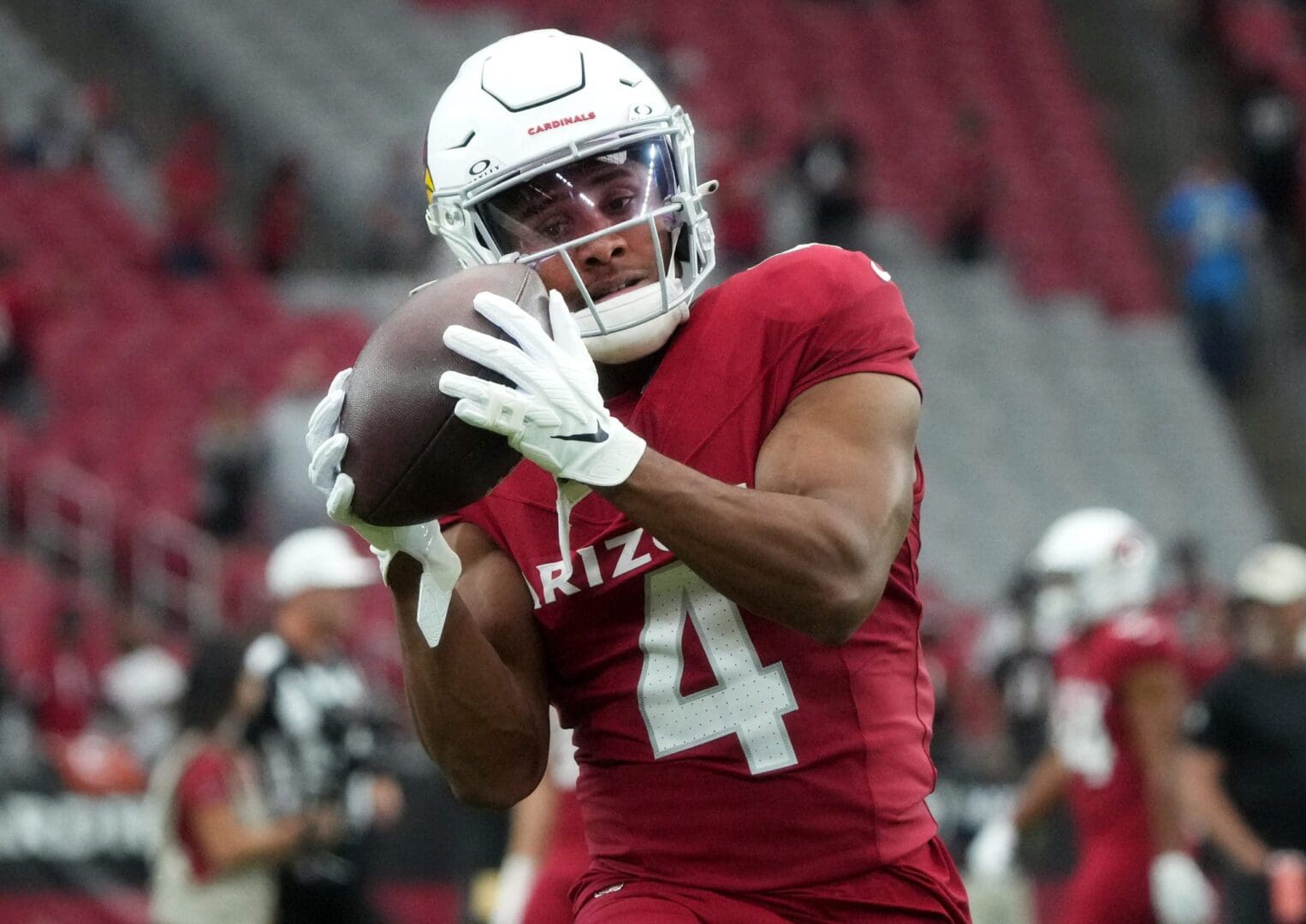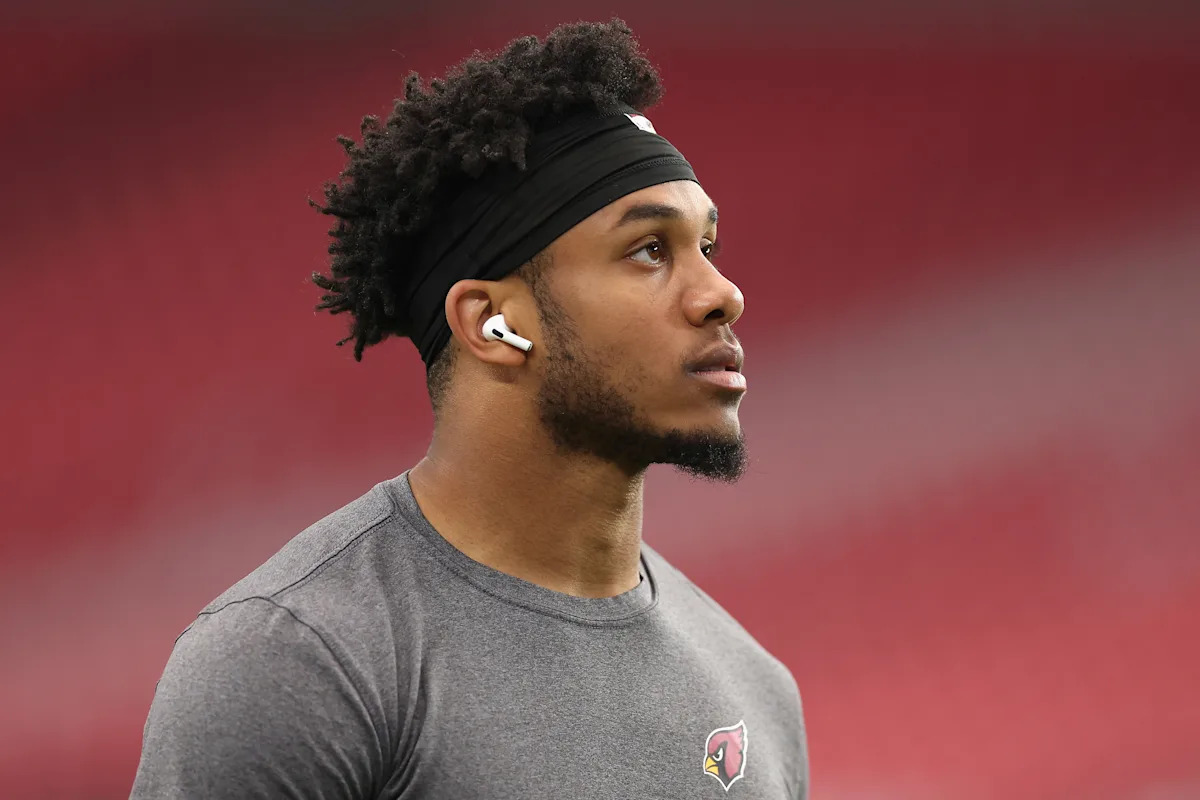
The passing of NFL wide receiver Rondale Moore at the age of 25 has necessitated the activation of formal forensic and institutional protocols in Floyd County, Kentucky. Confirmed by the local coroner’s office, this event marks a premature conclusion to a high-profile career, prompting a mandatory autopsy to establish a definitive cause of death. Beyond the immediate tragedy, the situation highlights the complex intersection of legal mandates, medical forensics, and the administrative requirements of professional sports organizations.
Forensic Mandates and Procedural Transparency
The involvement of the Floyd County Coroner’s office follows standard legal requirements for unexpected deaths of individuals in their prime. The scheduled autopsy is a critical investigative tool designed to provide medical clarity and factual documentation, which are essential for fulfilling state mandates. Such procedures ensure that all medical variables are analyzed, providing a necessary baseline for the resolution of estate matters and insurance claims associated with high-value professional athlete contracts.
This forensic inquiry typically encompasses comprehensive toxicological and pathological reviews. For stakeholders—including the family, the NFL, and relevant franchises—this transparency is vital for maintaining institutional integrity. The resulting findings will eventually populate the official death certificate, a document that serves as the legal nexus for settling contractual obligations and death benefits defined under the NFL Collective Bargaining Agreement.
Capital Allocation and Professional Trajectory
Moore entered the league as a significant investment for the Arizona Cardinals, who utilized the 49th overall pick in the 2021 NFL Draft to secure his services. This second-round selection represented a substantial allocation of draft capital, underpinned by a four-year rookie contract valued at approximately $6.9 million, including a $2.4 million signing bonus. Such figures illustrate the financial stakes inherent in the NFL’s talent acquisition model, where draft position dictates both the initial economic outlay and the projected offensive utility.
The transition of Moore’s affiliation to the Minnesota Vikings further exemplifies the league’s fluid evaluation of player assets. Within this competitive framework, a player’s market value is a direct reflection of technical proficiency and tactical versatility. The loss of such an asset involves not only a personnel deficit but also a complex accounting of remaining guaranteed money and cap space management for the affected organizations.
Physical Volatility and Career Continuity
The arc of Moore’s career was significantly shaped by physical volatility, specifically back-to-back season-ending knee injuries. In the high-impact environment of professional football, catastrophic injury serves as a structural barrier to career longevity and marketability. Moore’s struggle to maintain active status underscores the reality that availability is a primary component of an athlete’s professional value. These injuries often trigger specific contractual clauses related to injury settlements and roster protections, highlighting the high-risk nature of the sport.
Collegiate Legacy and Regional Talent Pipelines
Moore’s impact at Purdue University was historically significant, characterized by his 2018 freshman season where he earned consensus All-American honors. His receipt of the Paul Hornung Award for versatility solidified his status as a blue-chip prospect capable of impacting multiple facets of the game. These collegiate achievements are more than personal accolades; they serve as institutional milestones that collegiate programs leverage for recruitment and national visibility.
His developmental history within the Kentucky and Indiana high school systems—culminating in the 2017 Gatorade Kentucky Player of the Year award—demonstrates the efficacy of regional talent pipelines. By excelling at New Albany High School and later Trinity High School, Moore established a reputation for discipline and elite physical tools that made him a premier candidate for the professional level. This legacy continues to resonate within the regional athletic culture, serving as a benchmark for future prospects.
Systemic Implications for Athlete Welfare
The death of a young professional athlete often initiates broader institutional evaluations of player support systems and welfare protocols. While the specific cause of Moore’s death is under forensic review, the context of his recent professional struggles—defined by injury and absence—draws attention to the mental and physical tolls associated with the transition away from active play. The NFL and its players’ association continue to refine health and safety protocols based on data derived from such forensic investigations, aiming to protect the league’s primary human assets.
Conclusion
As the Floyd County Coroner proceeds with the scheduled autopsy, the professional football community remains in a state of mourning. The final results of the investigation will provide the necessary closure for a narrative defined by immense potential and significant physical adversity. Rondale Moore’s legacy will be remembered through his transformative performance at Purdue and his tenure in the NFL, while his passing prompts a sober reflection on the fragility of the modern athletic career.