A New Force in Grand Tour Dynamics
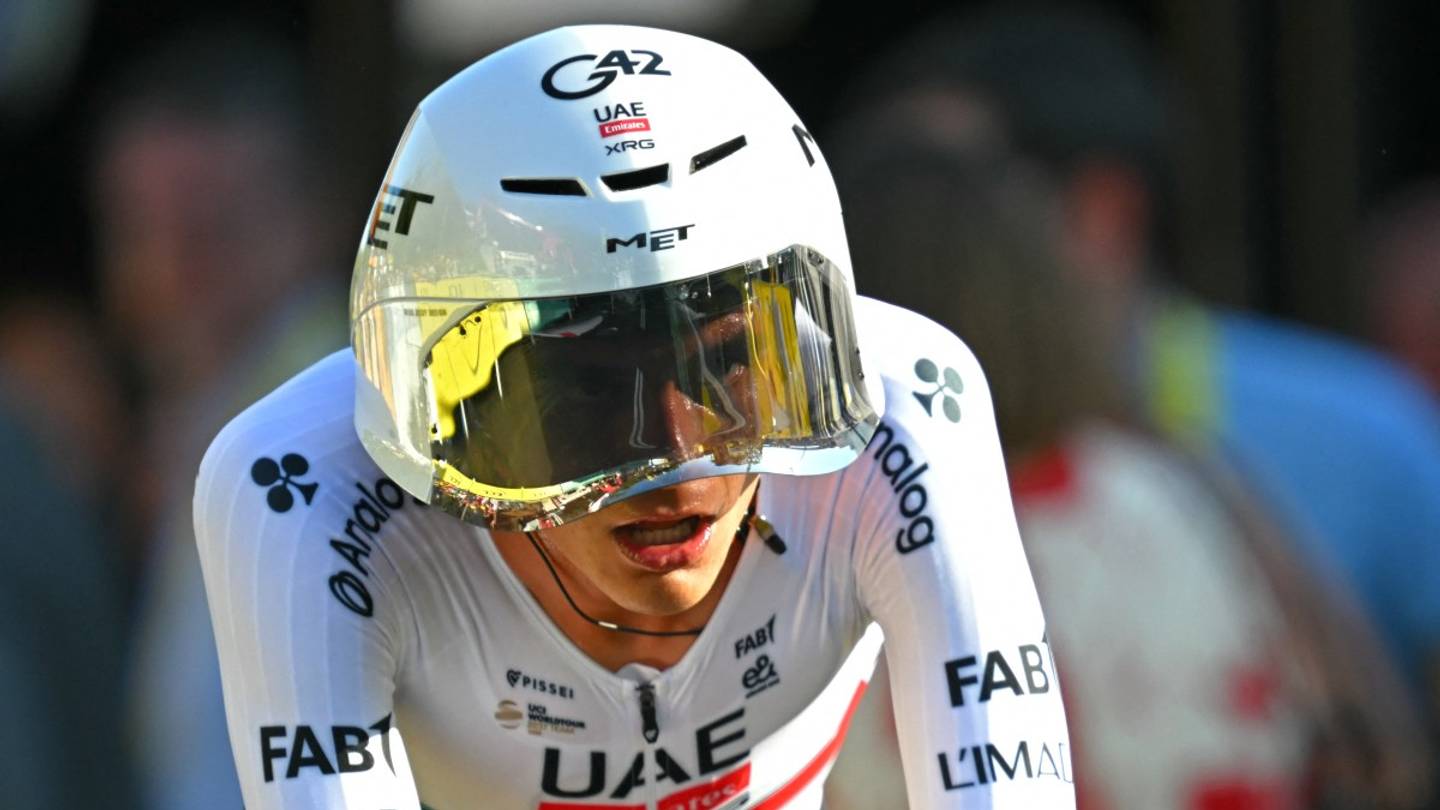
Isaac del Toro’s debut at the 2026 Tour de France immediately repositioned strategic considerations for top-tier cycling teams. The 22-year-old Mexican rider secured a significant stage victory on Stage 2 and demonstrated critical value within the UAE Team Emirates-XRG structure, achieving an early sixth-place general classification standing after the opening team time trial.
This dual impact from a young rider highlights the increasing pressure on teams to cultivate versatile talent capable of both individual performance and dedicated support roles. Del Toro’s integration into the high-stakes competitive environment reflects a calculated investment in athlete development, aiming to maximize short-term tactical advantages and long-term team resilience.
The Strategic Imperative of Team Time Trials
The opening 19.7-kilometer team time trial (TTT) in Barcelona served as an early crucible for general classification contenders. UAE Team Emirates-XRG’s third-place finish, contributing to Del Toro’s sixth position, emphasizes the operational complexities and strategic importance of this specialized discipline in Grand Tours.
As the last team to depart, UAE faced the imperative of calibrating their effort against established benchmarks. This tactical positioning demanded precise execution and deep understanding of the course, particularly the decisive final ascent to Montjuïc, where rivals like Team Visma | Lease a Bike gained a critical advantage.
The TTT’s outcome shaped the competitive landscape, distributing early time advantages and disadvantages. For yellow jersey contenders, marginal gains or losses in this initial phase can dictate tactical flexibility throughout the three-week race.
The Architecture of Grand Tour Team Dynamics
Isaac del Toro’s designation as a ‘pieza de confianza’ for Tadej Pogacar illuminates the intricate architecture of Grand Tour team dynamics. This role signifies a strategic asset whose performance directly advances the team’s primary general classification contender, demanding profound trust and seamless operational coordination.
Professional cycling economics dictate significant capital investment in rosters where each rider’s specialized skills contribute to a collective objective. Del Toro’s effort to position Pogacar effectively before the Montjuïc climb exemplifies the calculated sacrifice inherent in this support role, directly influencing the team’s exposure to time losses against key rivals.
Such operational cohesion is the product of extensive training and strategic planning. Del Toro’s ability to execute high-pressure tasks on debut reflects a sophisticated talent identification and development pipeline, ensuring individual prowess is harnessed for broader team success.
Competitive Pressures and Elite Rivalries
The 2026 Tour de France immediately intensified the rivalry between Jonas Vingegaard and Tadej Pogacar. Documented battles, including Stage 2 where Del Toro secured a victory, underscore the relentless competitive pressures of modern Grand Tours, where every second and strategic move carries significant weight.
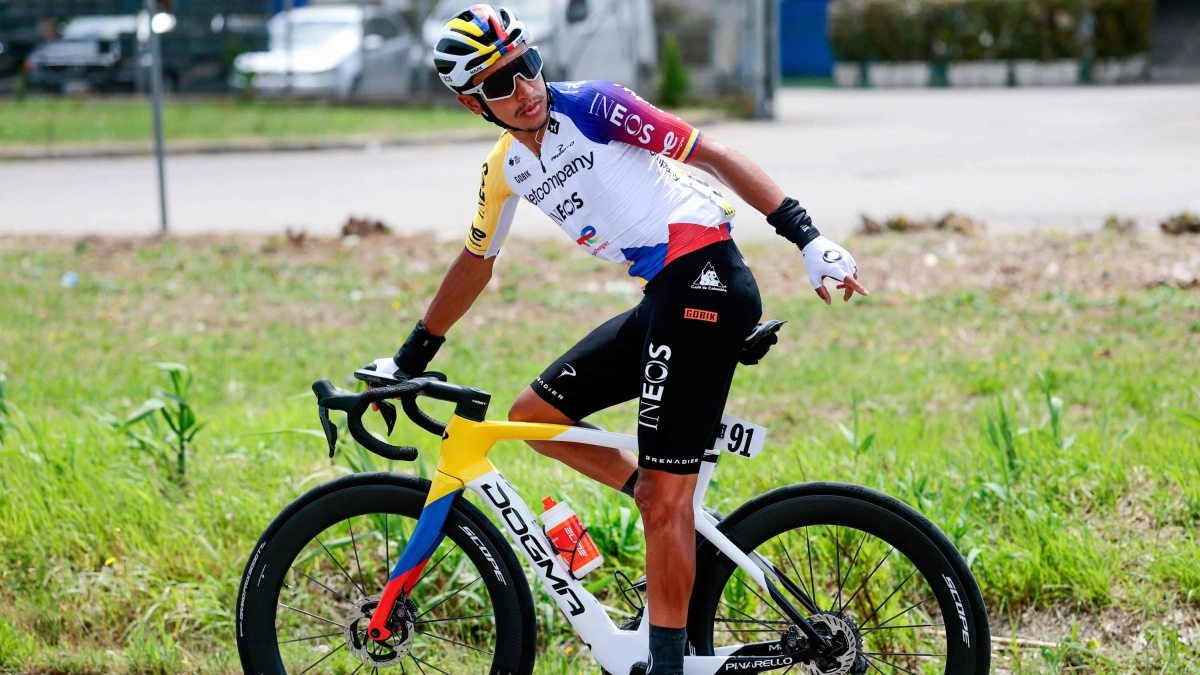
This high-stakes environment forces teams to continuously adapt strategies. The early performances of riders like Egan Bernal and Sergio Higuita highlight the collective effort required to maintain competitive positioning against dominant figures, influencing team morale and public perception.
Strategic implications extend beyond individual stage results, impacting sponsorships, media narratives, and rider market value. The early establishment of a competitive dynamic between titans, amplified by new talents, creates a compelling spectacle that drives viewership and commercial interest.
The Operational Demands of Professional Cycling
Stage 2’s description as a “brutal” segment underscores the extreme operational demands on professional cyclists in a Grand Tour. This level of physical exertion requires exceptional athletic conditioning and sophisticated support systems operating with precision.
Logistical challenges are immense, encompassing route reconnaissance, equipment optimization, rider welfare, and media management. A team’s consistent high-level performance over three weeks is a testament to the seamless integration of these diverse operational components.
The fine margins in elite cycling mean every operational detail, from tire pressure to hydration, can impact race outcomes. Teams invest heavily in sports science and technology to gain fractional advantages.
Market Resonance and National Representation
Isaac del Toro’s prominent debut at the Tour de France carries significant market resonance, particularly for cycling in Mexico and Latin America. The emergence of a national talent generates substantial media attention, fostering fan engagement and inspiring a new generation of athletes.
This visibility translates into tangible commercial opportunities, attracting sponsors and increasing the value of existing partnerships. A rider’s national identity, coupled with elite performance, becomes a powerful marketing asset, connecting global brands with regional audiences.
The narrative of a Mexican rider achieving success in the Tour de France elevates the profile of national cycling federations and development programs, potentially triggering greater investment in infrastructure and grassroots initiatives.
Institutional Frameworks and Athlete Trajectories
Del Toro’s trajectory from developing talent to a key figure in a WorldTour team exemplifies the institutional frameworks governing elite cycling. These structures identify, nurture, and integrate promising athletes, often requiring substantial long-term investment.
UAE Team Emirates-XRG’s decision to entrust a 22-year-old with a critical support role reflects a strategic assessment of his capabilities and potential, built upon years of performance data and testing.
The presence of a Mexican rider at this level highlights the increasing globalization of professional cycling, influencing recruitment strategies and expanding the sport’s cultural reach beyond traditional strongholds.
Strategic Evolution in Professional Cycling
The early stages of the 2026 Tour de France, marked by intense competition and unexpected individual performances, underscore the continuous strategic evolution within professional cycling. Teams must constantly re-evaluate tactical approaches based on rival strengths and rider form, demonstrating significant operational agility.
The interplay between individual brilliance and collective execution reflects a sophisticated balance that top teams strive to achieve. This equilibrium is crucial for navigating Grand Tour vulnerabilities, where unforeseen events can rapidly alter competitive advantage.
The early success of a young rider like Del Toro will influence future team compositions and contract negotiations, as teams seek talent offering both immediate impact and long-term strategic value. This constant recalibration drives the sport’s competitive intensity and shapes its future trajectory.
Redefining Expectations and Future Outlook
Isaac del Toro’s debut at the 2026 Tour de France has redefined expectations for young riders entering Grand Tours, blending immediate impact with a pivotal support role. His performance on the team time trial and Stage 2 demonstrates a rare versatility positioning him as a significant asset.
The facts reveal a complex interplay of individual talent, rigorous team strategy, and intense competitive pressures. Del Toro’s early contributions underscore the strategic value of developing riders who can perform across diverse disciplines while seamlessly integrating into collective efforts.
This early success has implications for the broader cycling ecosystem, from athlete development pathways to commercial partnerships and media engagement, reinforcing the narrative of a globalizing and innovating sport driven by competitive excellence and emerging stars.