The Strategic Utility of the Interstitial Matchup
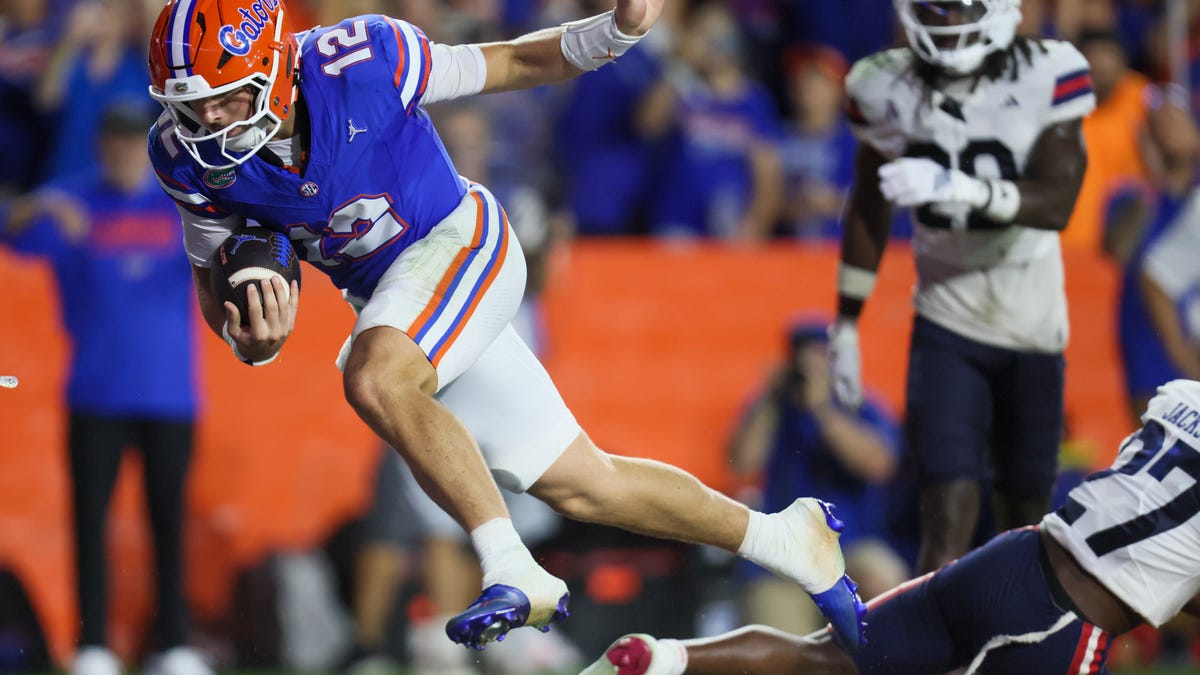
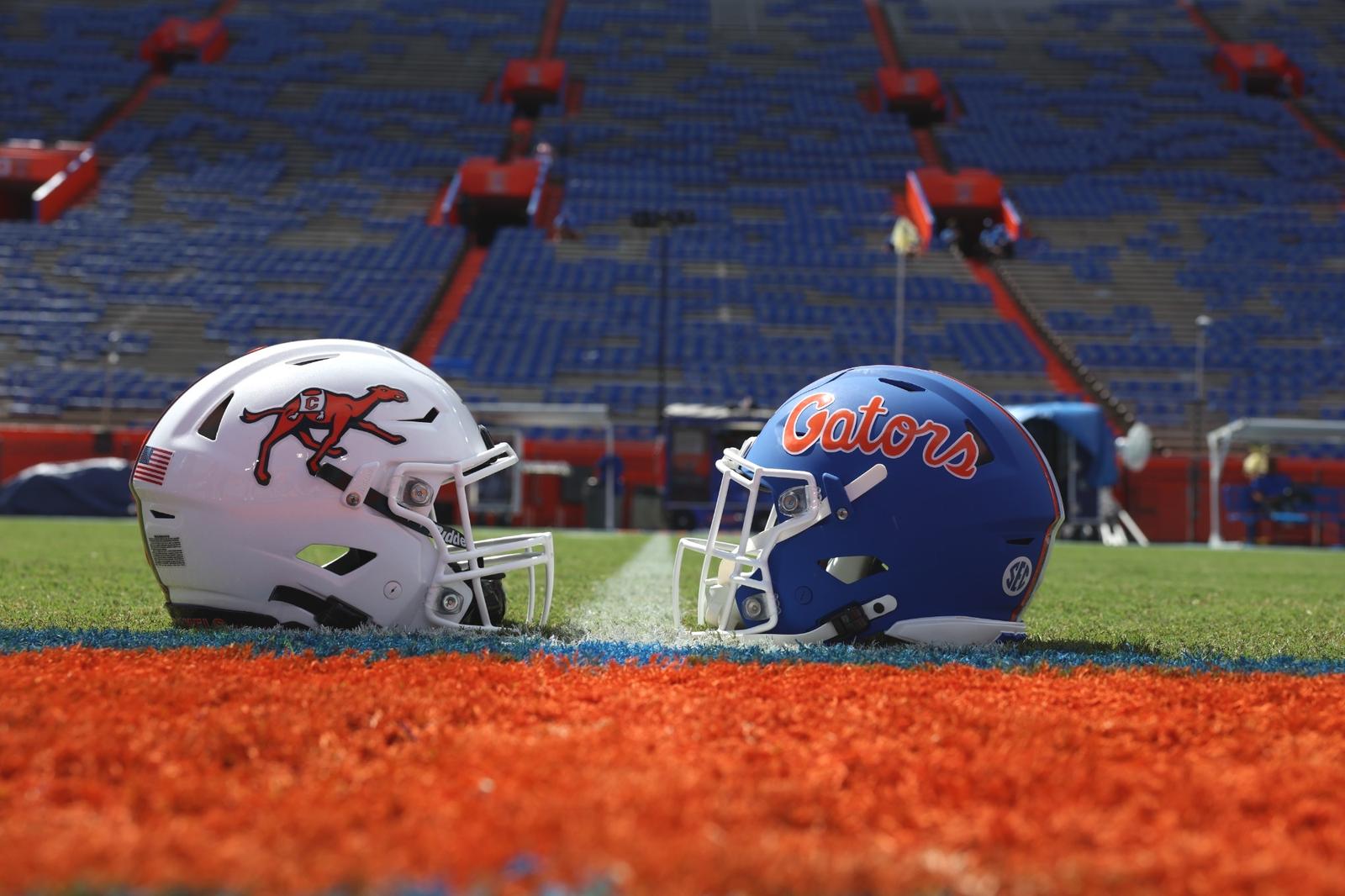
The Florida Gators’ Week 2 engagement against the Campbell Fighting Camels represents a calculated operational bridge within the 2026 collegiate football calendar. Positioned between a high-scoring season opener and a pivotal Southeastern Conference (SEC) debut at Auburn, this fixture serves as a controlled environment for systemic refinement. For Head Coach Jon Sumrall, the objective transcends a binary win-loss outcome, focusing instead on stabilizing internal processes that exhibited volatility during the 66-21 victory over Florida Atlantic.
The scheduling of an FCS-classified opponent is a standard industry practice designed to balance the season’s physical toll with the necessity for live-game repetitions. However, the program’s institutional memory—specifically the 2013 loss to Georgia Southern—serves as a structural reminder that talent advantages do not mitigate the risks of operational complacency. In the current era of the transfer portal and NIL, maintaining a disciplined culture is paramount to long-term competitive viability.
Addressing Mechanical Volatility: The Center-Quarterback Exchange
A primary focus for the Gators involves the technical execution of the offensive line, specifically the performance of center Harrison Moore. During the season opener, Moore recorded five errant snaps, a high-frequency failure rate that disrupts the rhythm of modern up-tempo offensive schemes. The center-quarterback exchange is the foundational mechanical link; any deviation forces the quarterback into a reactive posture, disrupting progression reads and increasing turnover probability.
Correcting Moore’s consistency is a strategic necessity for offensive scalability. These technical lapses are particularly dangerous when projected against the sophisticated defensive fronts Florida will encounter in conference play, where recovery windows are significantly narrower. If the Gators cannot secure the ball at the point of origin, the explosive potential demonstrated in their 66-point debut will be neutralized by unforced errors and lost down-and-distance efficiency.
Defensive Recalibration and Tactical Aggression
The Florida defense enters Week 2 under scrutiny for its reactive posture during the opener. Analysts observed that the unit frequently played on its ‘back foot,’ allowing the opponent to dictate tempo rather than imposing its own terms through proactive coverage shells and a sustained pass rush. The Campbell matchup provides a platform to recalibrate this defensive edge and improve communication across the secondary.
Improving gap integrity and coverage discipline is essential to prevent the lapses that allowed FAU to move the ball with unexpected ease. The coaching staff’s emphasis on a more predatory defensive philosophy seeks to exploit the limitations of less-resourced rosters while preparing the unit for the high-leverage environments of the SEC. The goal is to move from a reactive state to one that dictates the terms of engagement through physical presence and energy.
The Campbell Variable: Analyzing Kamden Sixkiller
The Campbell Fighting Camels arrive in Gainesville with a 2-0 record and a high-usage playmaker in Kamden Sixkiller. His statistical profile—673 passing yards and 114 rushing yards—presents a specific diagnostic test for Florida’s contain discipline. Sixkiller’s ability to extend drives through off-platform movement serves as a live-action simulation for the mobile quarterbacks common in the SEC.
While Campbell operates within the Coastal Athletic Association, the presence of a productive, dual-threat quarterback prevents this game from becoming a purely developmental exercise. Florida’s starters must execute high-level defensive assignments to maintain containment, ensuring the game serves as a legitimate rehearsal for conference play rather than a passive walkthrough.
Personnel Development and Institutional Momentum
This fixture is strategically significant for integrating rotational talent like running back Evan Pryor and freshman KJ Ford. Increasing Pryor’s volume is crucial for establishing a multi-dimensional rushing attack, while Ford’s evaluation provides a risk-mitigation strategy against the inevitable attrition of a collegiate season. Developing this depth ensures the roster can maintain performance levels when injuries impact primary starters.
Furthermore, the 20th consecutive sellout at Spurrier/Florida Field underscores the program’s institutional stability. This sustained fan engagement provides a commercial advantage and a vital recruiting tool for the Sumrall administration. Maintaining this momentum is essential for brand equity, providing the psychological foundation for the team before they face the hostile road environment of the Auburn barometer next week.