Strategic Contingency: Lowe Signing Addresses Williams Uncertainty
The San Francisco 49ers have initiated a strategic maneuver to bolster their offensive line depth by agreeing to terms with offensive tackle Vederian Lowe on a two-year contract. The deal, valued at a maximum of $12 million with $5.75 million guaranteed, provides immediate operational insurance for a critical position. This transaction occurs in the context of significant financial uncertainty surrounding veteran left tackle Trent Williams, whose current contract carries a substantial $39 million cap hit for the upcoming season.
The signing of Lowe, a 26-year-old tackle with 25 career starts, serves as a direct response to reports that the 49ers organization is open to trading Williams. While Lowe’s role is ostensibly defined as a swing tackle, his acquisition provides a tangible contingency plan for a potential high-stakes roster move. The move signals a proactive approach to managing a challenging financial situation, prioritizing cap flexibility and long-term roster health over maintaining the status quo at an expensive position.
The Financial Imperative: Managing Cap Constraints and Leverage Dynamics
The financial structure of the NFL salary cap dictates that teams must constantly balance elite talent acquisition with cost-controlled depth. The $39 million cap hit associated with Trent Williams represents a significant allocation of resources for a single player, creating pressure on the organization to optimize its spending. This financial constraint becomes particularly acute for a team in a competitive window, where every dollar spent on one player reduces flexibility to acquire or retain talent elsewhere on the roster.
The agreement with Lowe, structured as a two-year deal with a maximum value of $12 million, offers a cost-effective alternative. The guaranteed portion of the contract ($5.75 million) secures Lowe’s commitment while allowing the team to manage risk. This structure provides the 49ers with a viable option for a starting-caliber player at a fraction of Williams’ cost, strengthening their negotiating position in potential trade discussions regarding Williams. By securing a capable replacement, the team reduces its reliance on Williams and increases its leverage in any potential trade negotiations with other organizations.
Operational Impact: The Role of a Swing Tackle in High-Performance Systems
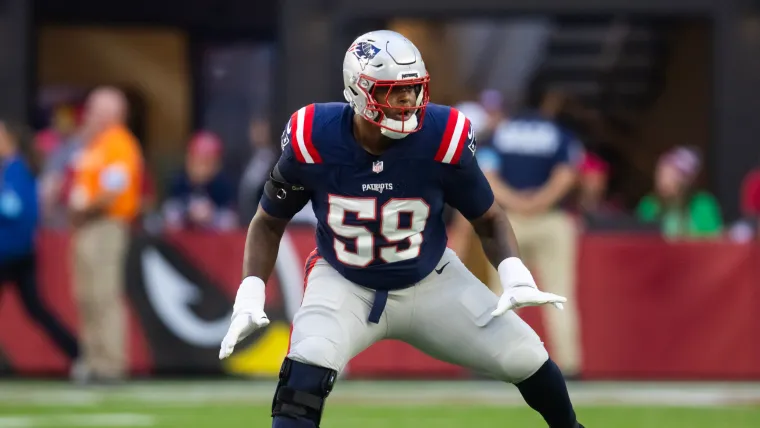
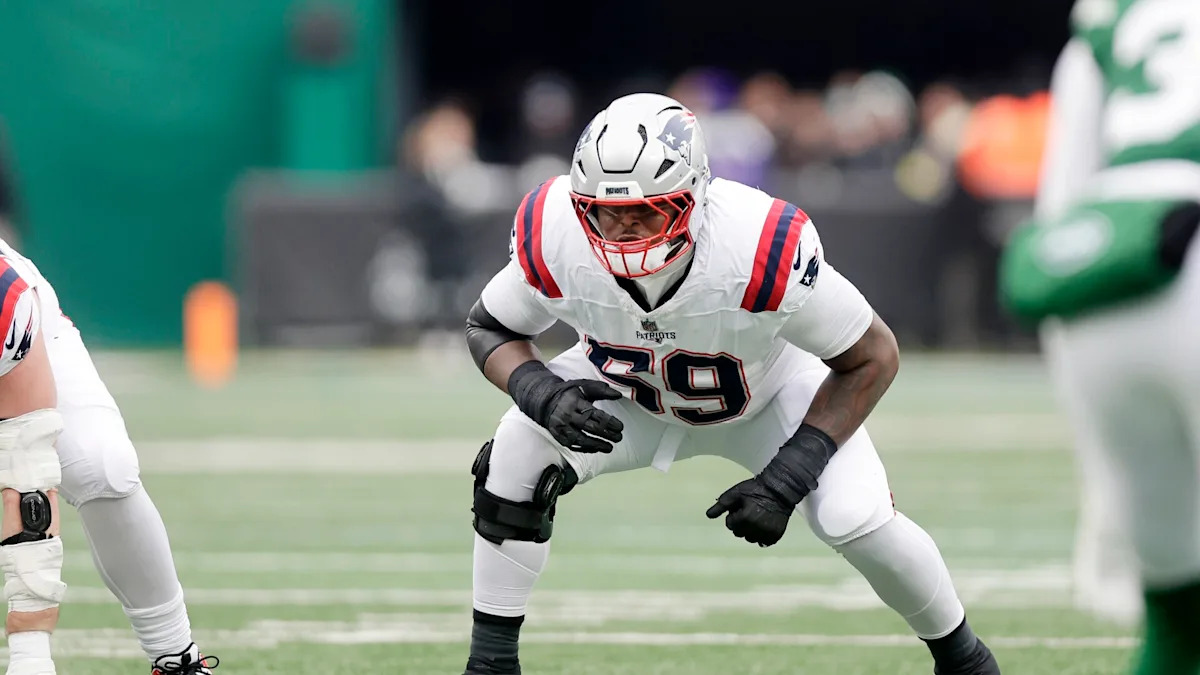
In high-performance offensive systems, the role of a swing tackle extends beyond simple backup duties. A swing tackle must be capable of playing both left and right tackle positions effectively, providing seamless transitions in case of injury or strategic adjustments. Lowe’s experience, which includes 25 career starts across multiple teams (Minnesota and New England), demonstrates his ability to integrate into different schemes and perform under pressure.
Lowe’s 2025 season with the Patriots, where he started four games in place of an injured Will Campbell, provides recent evidence of his operational readiness. His performance during these starts, though limited in scope, confirms his capacity to handle starting responsibilities when necessary. This experience mitigates the risk associated with a potential Williams departure, ensuring that the team maintains a baseline level of protection for its high-value offensive assets. The acquisition of Lowe ensures that the integrity of the scheme is maintained, even if a key player like Williams is unavailable. This operational resilience is essential for a team with championship aspirations, where a single injury can derail an entire season.
Stakeholder Implications: Navigating Uncertainty and Market Trends
The signing of Lowe introduces a new dynamic for both Vederian Lowe and Trent Williams. For Lowe, the move represents a significant opportunity to compete for a starting role, potentially replacing one of the league’s most dominant players. For Trent Williams, the situation creates a layer of uncertainty and potential leverage challenges. While Williams remains an elite player, the high cap hit and the acquisition of Lowe signal that the 49ers are preparing for a future without him. This situation forces Williams to consider his options, whether through a potential trade or a contract restructuring that reduces his cap impact. The organization’s willingness to explore alternatives demonstrates a hard-nosed approach to roster management, prioritizing institutional stability over individual loyalty.
.
This move reflects a broader trend in professional sports where high-value contracts create significant cap pressure. Teams are increasingly forced to make difficult decisions about retaining aging superstars versus investing in cost-controlled depth. The acquisition of Lowe exemplifies this trend, prioritizing financial flexibility and risk mitigation over maintaining an expensive roster structure. The public nature of the trade rumors, reported by sources like NFL Network’s Ian Rapoport, places additional pressure on both parties. The 49ers must manage the media narrative carefully to avoid disrupting team chemistry while simultaneously executing their financial strategy. The acquisition of Lowe provides a tangible action that supports the organization’s position, demonstrating that they are prepared to move forward regardless of Williams’s Williams’ future.