The Indiana Fever secured a 95-91 overtime victory against the Atlanta Dream, advancing their record to 23-12 and solidifying their hold on the No. 4 seed. Atlanta dropped to 21-13 following a fourth-quarter collapse. Beyond the high-profile narrative surrounding Caitlin Clark and Angel Reese, the contest highlighted critical tactical divergences in shot creation, interior conversion efficiency, and high-leverage execution.
Offensive Efficiency: Reese’s Production Metrics vs. Atlanta’s Imbalance
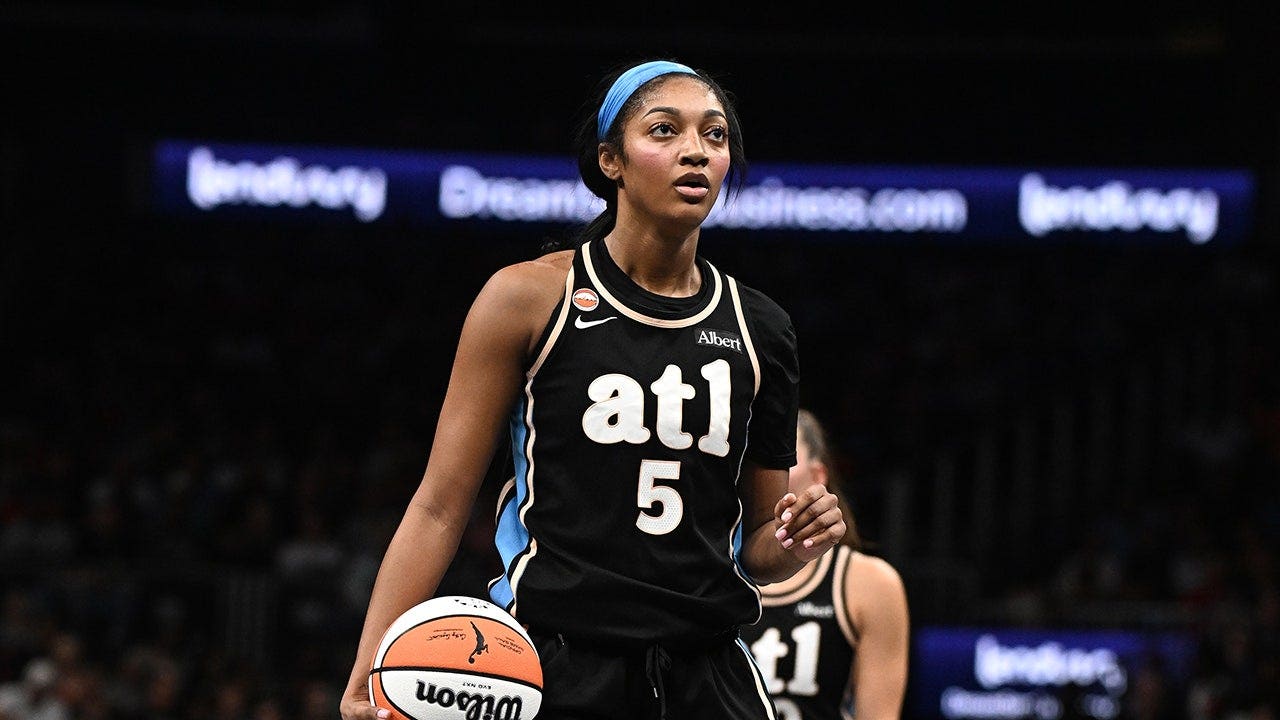
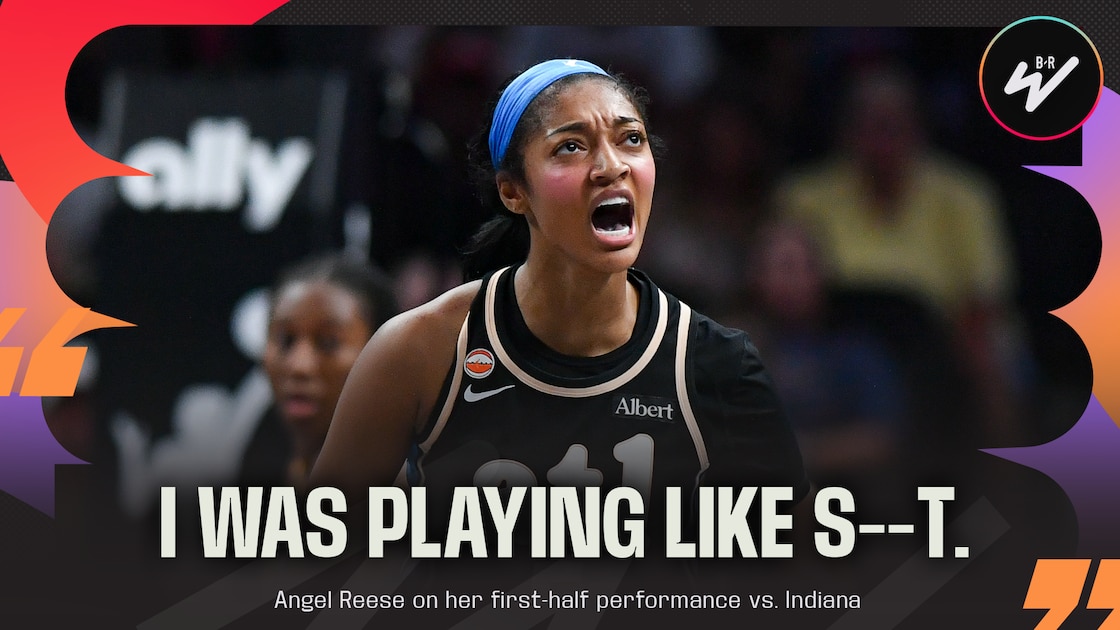
Angel Reese compiled 14 rebounds and six assists, yet an inefficient 5-of-16 shooting performance (including an 0-of-6 start) and four turnovers limited Atlanta’s half-court ceiling. While Reese generated second-chance opportunities, her interior conversion struggles placed disproportionate scoring responsibility on Allisha Gray, who posted a team-high 32 points. Reese’s candid halftime remarks to ESPN’s Holly Rowe acknowledged these early mechanical and finishing difficulties.
Atlanta’s reliance on Gray exposed an asymmetric scoring distribution. Despite Madina Okot providing frontcourt utility with six rebounds and interior defense, the Dream failed to establish complementary paint scoring. This lack of interior finishing allowed Indiana’s defense to collapse inside, effectively stalling the momentum of Atlanta’s early 17-4 run.
Late-Game Breakdown and Indiana’s Transition Leverage
Atlanta’s structural vulnerabilities materialized down the stretch. Entering the fourth quarter with an eight-point lead, the Dream scored just nine points in the final frame of regulation. Predictable perimeter sets and Indiana’s defensive adjustments stifled Atlanta’s ball movement. A missed Reese layup in the final seconds of regulation sealed the fourth-quarter drought, pushing the game into overtime.
Conversely, Caitlin Clark orchestrated Indiana’s comeback with 26 points and nine assists. Clark’s ability to manipulate defensive coverage in transition created open looks against a fatiguing Atlanta backcourt. Her playmaking enabled Indiana to outscore Atlanta in the extra session, demonstrating superior late-game pacing and shot quality distribution.
Playoff Implications and Commercial Realities
The polarization surrounding Reese’s performance—highlighted by external commentators like Jason Whitlock—reflects an analytical divide: raw volume metrics (rebounding and double-doubles) versus true shooting efficiency and turnover rates. For Atlanta, addressing these offensive limitations and integrating secondary options like Rhyne Howard and Okot is essential for postseason longevity.
For Indiana, climbing to the No. 4 seed affirms their rapid roster development around Clark’s spacing. Simultaneously, the sustained commercial magnetism of the Clark-Reese matchup continues to elevate league-wide viewership, gate receipts, and media valuation as the WNBA enters the final stretch of the regular season.