Fatal Fox River Boat Collision: Repeat Offender Allegations Spark Safety Concerns
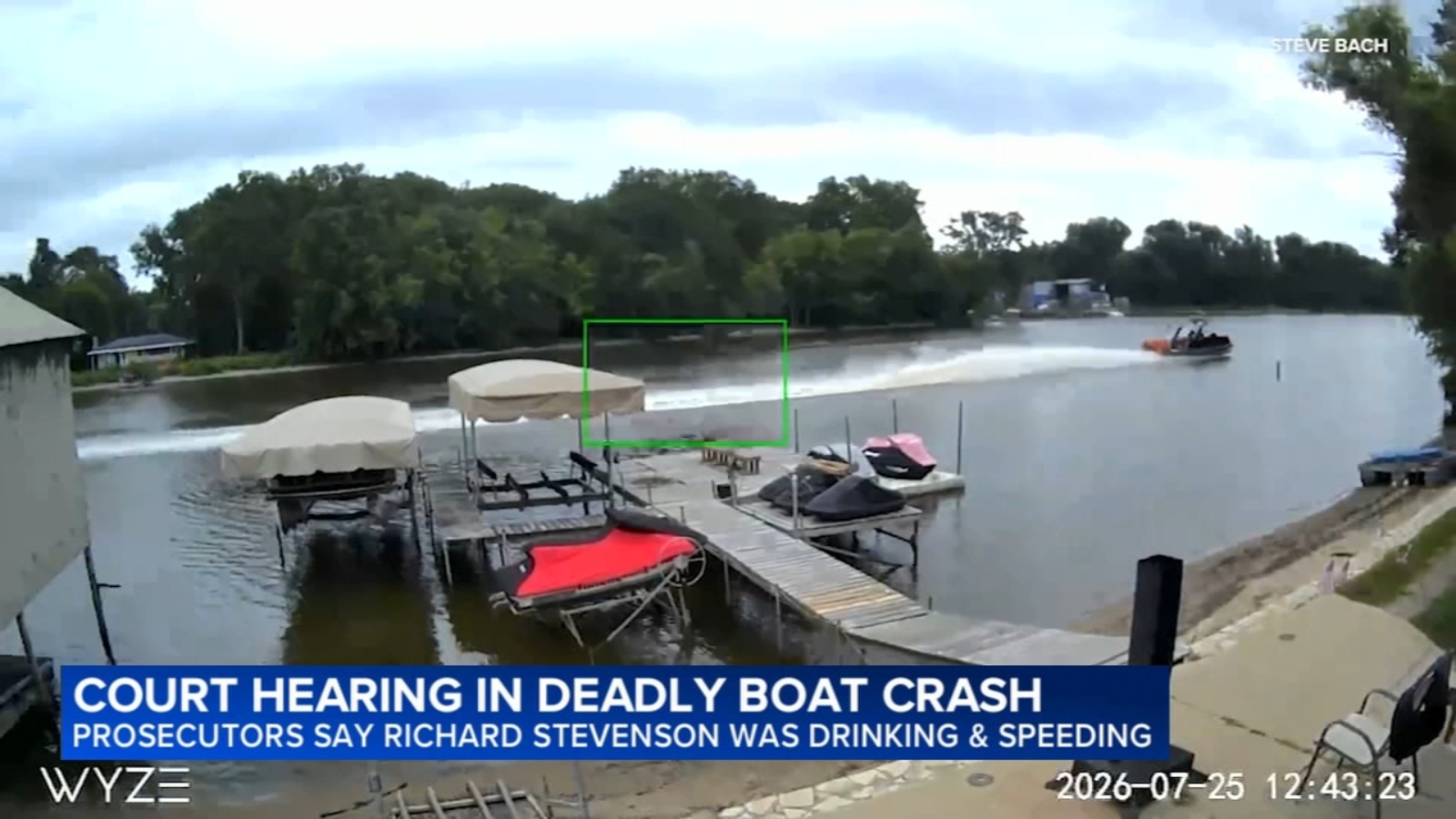
A recent fatal boat collision on Illinois’ Fox River has led to felony charges, including reckless homicide and aggravated driving under the influence (DUI), against a 45-year-old man. Prosecutors allege Richard Stevenson operated a 30-foot pontoon boat at speeds approaching 80 mph while intoxicated, resulting in a collision that killed one occupant of another vessel. Witness accounts indicate the incident occurred within a no-wake zone, suggesting a critical breach of maritime safety protocols.
The victim, identified as 48-year-old U.S. Marine veteran Magdalena Jablonska, sustained fatal injuries. Her fiancé and dog were also injured. The alleged recklessness, including extreme speed in a restricted zone and the catastrophic consequences, intensifies scrutiny on regulatory enforcement and public awareness campaigns for recreational boating safety, particularly concerning alcohol impairment.
Repeat Offender History and Regulatory Gaps
Stevenson’s alleged involvement in this fatal crash is compounded by a documented history of DUI offenses. This pattern of behavior raises critical questions about the efficacy of current legal frameworks and enforcement mechanisms in preventing repeat offenses, especially when individuals exhibit a disregard for public safety across different operational domains.
The court’s decision to detain Stevenson without bail underscores the severity of the charges, reflecting both alleged criminal conduct and potential flight risk or danger to the public. This judicial stance signals a strong prosecutorial approach and acknowledgment of the severe implications of the alleged actions.
Operational and Enforcement Challenges
The reported speed of 80 mph for a pontoon boat, particularly in a no-wake zone, represents an extreme deviation from safe operating parameters. This suggests a level of recklessness potentially indicating deliberate disregard for the inherent dangers of high-speed operation on waterways, exacerbated by alleged alcohol impairment.
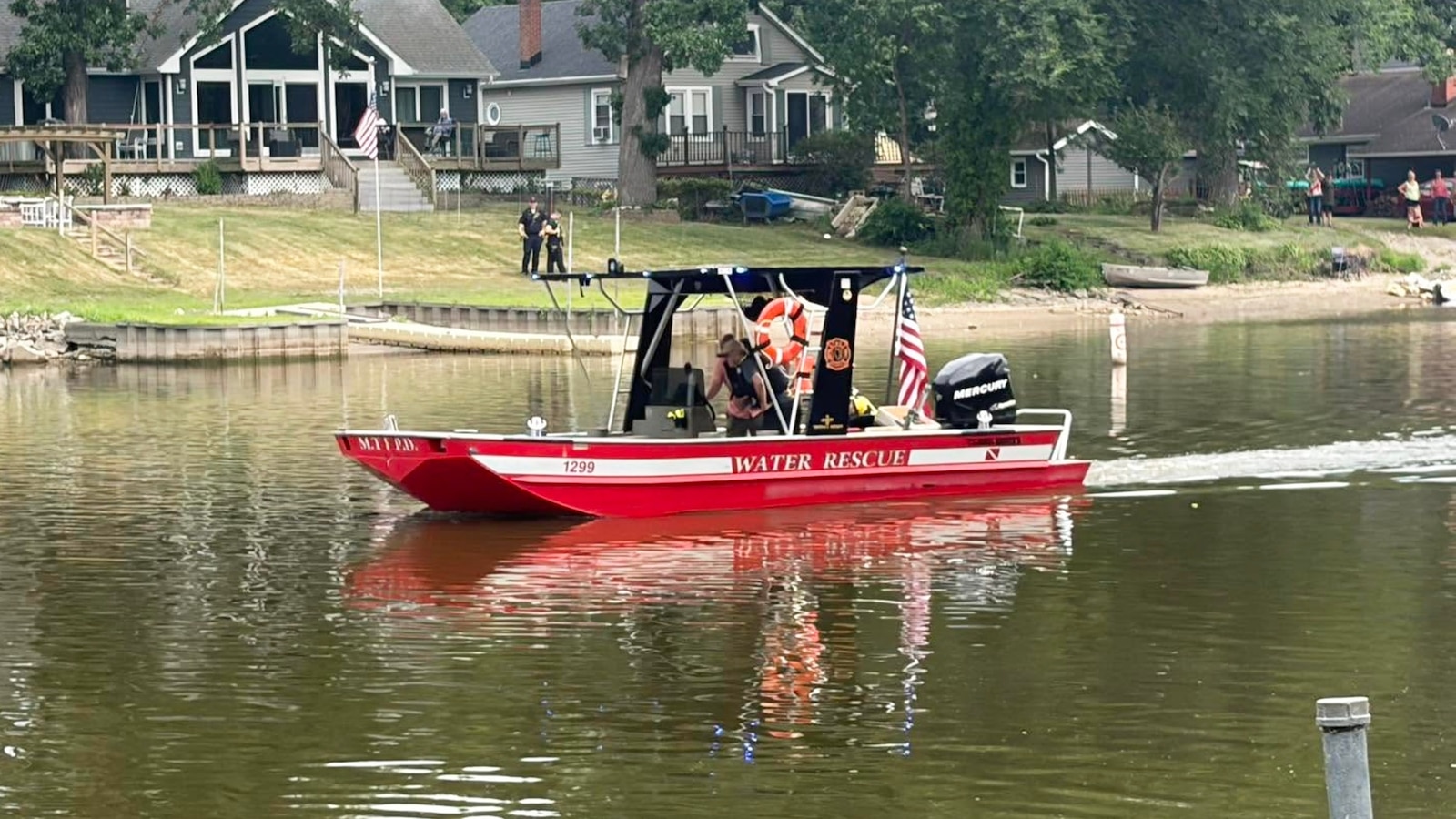
The incident highlights the operational difficulties law enforcement faces in monitoring and enforcing boating regulations. The vastness of waterways and the seasonal nature of recreational boating create a complex environment for consistent surveillance and intervention, contrasting with the more structured enforcement of road traffic laws.
Stakeholder Impact and Risk Assessment
For the family of Magdalena Jablonska, the consequences are irreversible, encompassing profound loss and trauma. Their pursuit of accountability and efforts to honor her memory through animal welfare initiatives underscore the deep personal and financial ramifications of such tragedies.
Richard Stevenson faces substantial legal penalties, including felony charges carrying significant prison sentences and permanent criminal records. His prior DUI history is likely to exacerbate potential sentences and intensify public and judicial scrutiny.
The broader boating community and regulatory bodies face reputational risks and pressure to enhance safety measures. High-profile incidents like this can galvanize public demand for stricter regulations, more rigorous enforcement, and enhanced public education regarding the dangers of boating under the influence and operating at unsafe speeds.
Broader Implications and Future Scenarios
Such severe accidents can lead to indirect financial consequences, including increased insurance claims for recreational vessels and potential adjustments in premiums or underwriting standards. Increased regulatory scrutiny or new safety mandates could necessitate capital investments from manufacturers and operators, impacting operational costs and market competitiveness.
The legal proceedings against Stevenson will serve as a critical test case for existing boating safety laws, potentially setting precedents for penalties related to aggravated DUI and reckless watercraft operation. The public dissemination of Stevenson’s alleged prior DUI history aims to serve as a deterrent, amplifying the perceived risks of impaired and reckless boating.
The graphic details of the crash have ensured significant media coverage, shaping public perception of boating safety and potentially leading to legislative action for stricter safety measures. The narrative of a veteran killed by a repeat DUI offender amplifies calls for accountability.
This incident places institutional pressure on waterway safety agencies to review enforcement strategies and resource allocation. The legal system faces the challenge of delivering justice while upholding due process.
The case also prompts reflection on cultural norms surrounding alcohol and recreation, questioning the perception of boating as an activity with less stringent safety expectations than driving. The contrast between the victim’s service and the alleged recklessness of the accused intensifies calls for accountability and safer practices.
The legal outcome for Stevenson could influence sentencing guidelines for similar offenses. Broader legislative action, increased enforcement funding, or mandatory safety courses could represent a significant shift in regulatory landscape, aiming to prevent future tragedies.