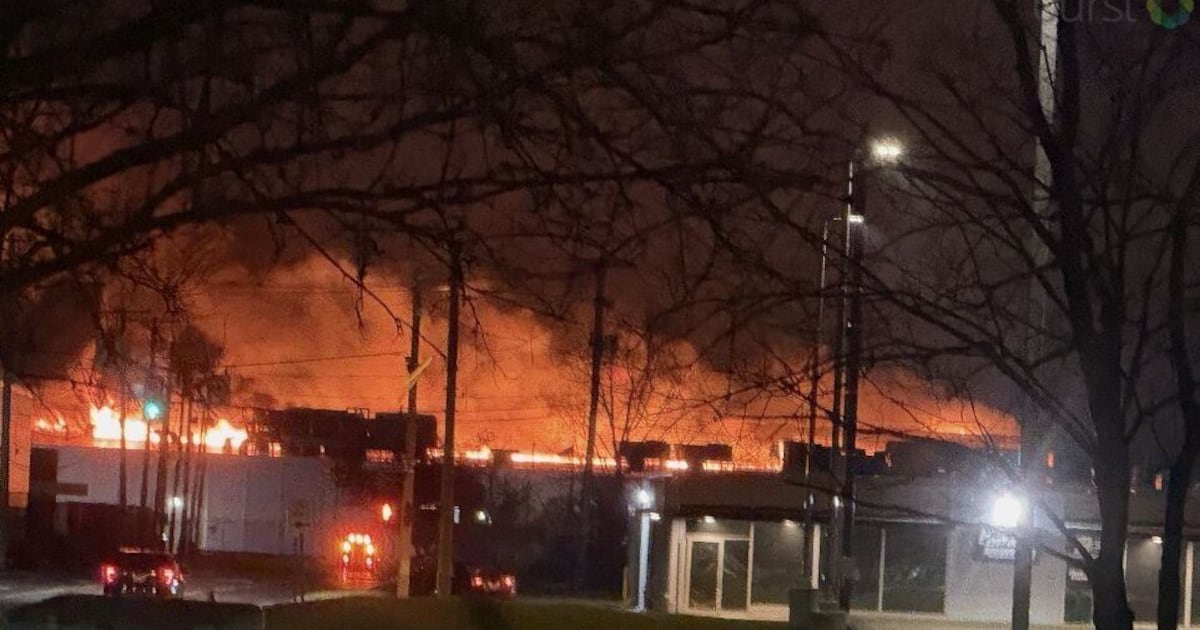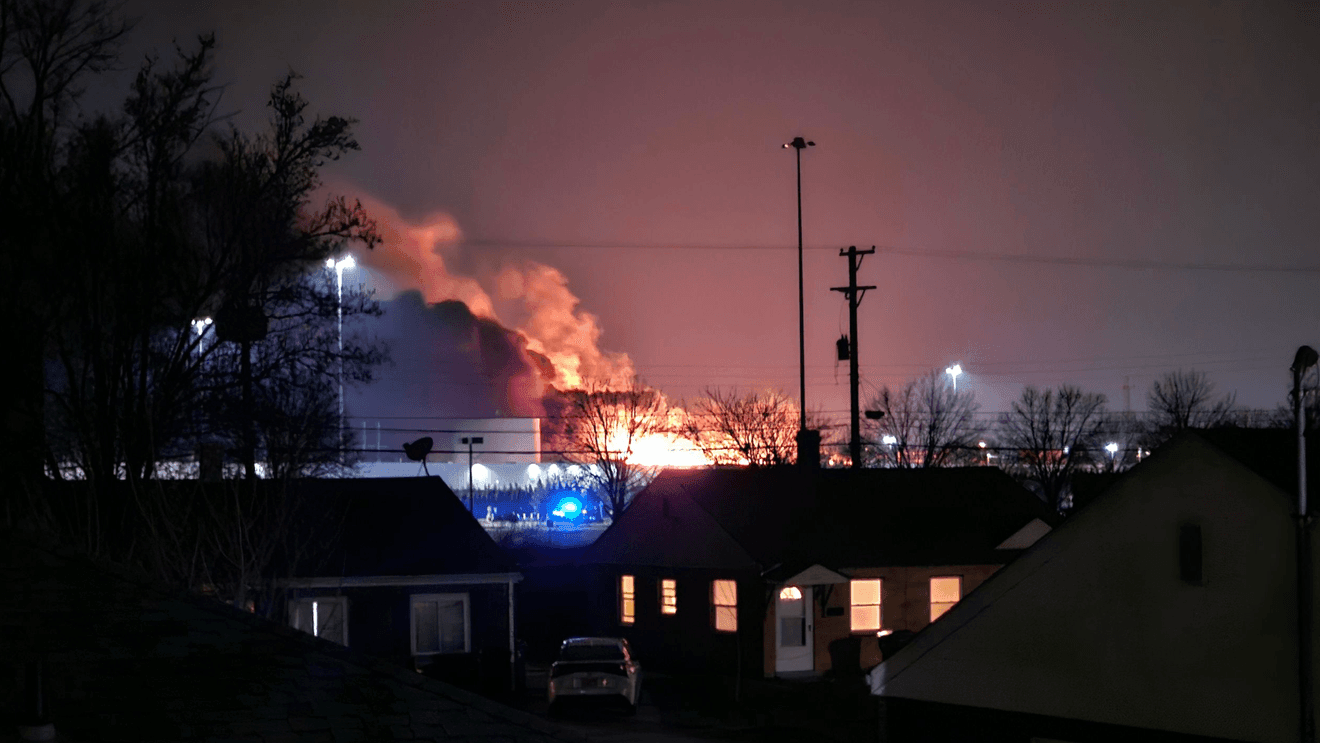
A significant structure fire at the Fuyao Glass America plant in Moraine, originating on the roof, necessitated a substantial multi-agency emergency response. While all personnel were safely evacuated, the operational constraints encountered during suppression highlight systemic vulnerabilities impacting specialized manufacturing continuity.
Compromised Operational Response: Weather as a Force Multiplier
Fire suppression tactics were severely degraded by adverse weather. High winds directly negated the efficacy of aerial water application, while lightning strikes forced the tactical withdrawal of aerial ladder trucks. This mandatory shift to ground-level engagement, driven by immediate safety mandates, protracted the containment phase significantly.
This sequence demonstrates a crucial trade-off: immediate personnel safety protocols introduced a tactical constraint that magnified operational downtime. The inability to effectively deploy vertical suppression directly prolonged exposure to the roof structure and underlying utilities.
Investigative Bottlenecks and Root Cause Delay
Initial damage assessment suggests primary involvement was restricted to roofing materials and associated rooftop mechanical units. However, securing the site post-fire delayed comprehensive internal inspection. This access lag postpones the determination of the ignition source—be it electrical failure, mechanical fault in HVAC/processing equipment, or external factors—and prevents accurate quantification of internal structural or utility damage critical for restart planning.
Supply Chain Leverage and Just-In-Time Exposure
Fuyao Glass America is a critical node supplying high-volume glass components to automotive OEMs reliant on just-in-time (JIT) inventory models. Even localized disruption at a single-source facility introduces immediate pressure, risking downstream assembly line stoppages and forcing expensive expedited sourcing alternatives.
The successful personnel evacuation validates internal safety protocol efficacy, a key metric for regulatory and liability review. However, the resulting operational hiatus underscores the systemic fragility embedded when critical component manufacturing capacity is geographically concentrated. The origin on the roof mandates a review of preventative maintenance cycles and fire safety compliance for exposed, high-value rooftop infrastructure.
Regulatory Scrutiny and Risk Underwriting Review
The scale of the incident guarantees heightened scrutiny from occupational safety bodies and fire marshals, particularly concerning emergency response protocols adapted for dynamic, severe weather conditions. Furthermore, industrial property and casualty underwriters will launch parallel investigations.
Insurance carriers will calibrate future premium structures and coverage stipulations based on two factors: the documented impact of weather on suppression efforts, and the preventative measures taken for rooftop equipment maintenance. The financial outcome will encompass physical repair costs and significant business interruption insurance claims directly proportional to production cessation duration.
Capital Reallocation vs. Resilience Hardening
Unplanned expenditures for roof structure repair and replacement of essential, often specialized, rooftop equipment will divert capital budgeted for modernization or capacity expansion. This forces a strategic reassessment: shifting CAPEX focus toward hardening external infrastructure against environmental volatility, especially in areas prone to meteorological instability.
This event functions as a stress test for contingency planning against low-probability, high-impact scenarios. Competitors capable of rapidly absorbing displaced automotive glass demand gain short-term market advantages, making recovery speed the determinant of Fuyao’s post-incident competitive positioning.
Analysis of Environmental Risk Integration in Industrial Design
The explicit role of wind and lightning moves this beyond a simple equipment failure narrative, emphasizing the growing operational complexity in heavy industry facing increased meteorological volatility. Firefighting doctrine must incorporate dynamic risk assessment where safety mandates on apparatus deployment override tactical objectives.
The roof-level origin raises questions regarding industrial zoning and infrastructure placement best practices. If rooftop mechanical failure proves the trigger, the sector will likely see mandated revisions in maintenance schedules and enhanced shielding for external plant machinery integral to sensitive manufacturing processes.
Conclusion: Systemic Vulnerability in Onshored Capacity
The Moraine fire exposed operational friction points rooted in environmental interference during response and the physical vulnerability of infrastructure situated externally. The investigation’s findings will define the company’s capacity to absorb operational shocks without compromising its strategic commitments to the automotive sector.
This incident compels the manufacturing sector to quantify the trade-off between maximizing footprint efficiency and establishing sufficient physical redundancy to withstand concurrent operational failures and adverse environmental stressors, shaping anticipated industrial standards for the coming years.