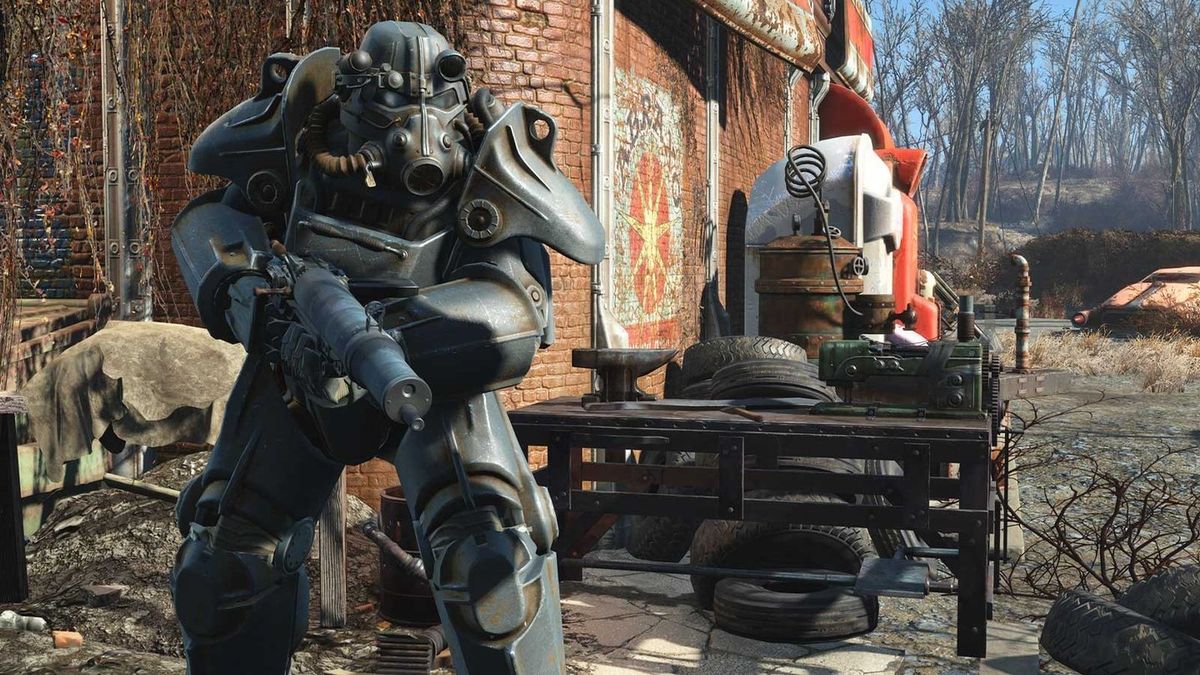
Strategic Implications of Fallout IP Management Under Microsoft
Recent reports detail significant strategic adjustments in the management of the Fallout intellectual property (IP) following Microsoft’s acquisition of ZeniMax Media. These decisions—specifically the alleged cancellation of an internal spin-off project and the outsourcing of major remakes—reveal a deliberate operational strategy by Bethesda Game Studios (BGS) leadership to protect creative autonomy and optimize resources for core development.
This approach highlights a nuanced integration dynamic where BGS retains substantial control over its flagship IP, prioritizing long-term brand equity and the development of *Fallout 5* over immediate corporate synergy and distributed development across the Xbox ecosystem. The strategic decisions suggest a calculated effort to maintain a consistent cultural identity for the franchise by centralizing creative direction and minimizing distractions for its core team.
The Strategic Rationale for Outsourcing Remakes
According to reports, remakes of *Fallout 3* and *Fallout: New Vegas* are allegedly being outsourced to external developers rather than being handled by BGS internally. This decision reflects a strategic prioritization of resource allocation. By delegating remakes, BGS minimizes the opportunity cost associated with re-engineering older titles, avoiding the diversion of internal talent and resources from the development of *Fallout 5*.
The outsourcing model serves as a mechanism for managing the content pipeline and capitalizing on existing IP without compromising the long-term development schedule. Remakes often require substantial technical work to update graphics and systems, but less creative direction compared to a new title. Outsourcing allows BGS to leverage existing assets to maintain audience engagement and generate revenue while focusing high-value internal resources on innovation and new IP creation. This separation of duties optimizes the use of specialized talent within the organization, ensuring that BGS’s creative leadership remains focused on delivering the next generation of the franchise.
This approach reflects a calculated risk regarding quality control and creative integrity. While external studios can execute technical updates, maintaining the original creative vision and atmosphere of a classic title requires careful oversight. The strategic choice to outsource suggests BGS leadership believes the benefits of resource optimization outweigh the potential risks associated with external development, provided a robust oversight mechanism is in place.
The Operational Implications of Canceled Internal Projects
The report of a canceled internal spin-off project developed at another Microsoft-owned studio highlights the challenges of post-acquisition integration and IP management within a large corporate structure. The cancellation of a project already in development suggests a strategic pivot or a failure to align creative visions between the core IP holder (BGS) and the broader conglomerate (Xbox Game Studios).
The source suggests that BGS leadership prefers to staff up internally rather than delegate core IP development to other studios within the Microsoft ecosystem. This indicates a strong desire to centralize creative control and maintain a consistent cultural identity for the franchise. The cancellation reinforces this preference, signaling that BGS’s creative autonomy takes precedence over potential synergies from distributed development across the Xbox portfolio. This decision has significant implications for resource allocation and studio morale within the broader Microsoft structure, suggesting a cultural separation where BGS views the core IP as non-fungible, requiring direct oversight from the original creative team.
Synthesis: Autonomy, Resource Allocation, and Long-Term Value Creation
These strategic decisions—outsourcing remakes while rejecting internal spin-offs—form a cohesive model for IP management. The core BGS team protects its resources and creative focus for *Fallout 5*, while utilizing external partnerships to fill content gaps and capitalize on market opportunities (like the surge in interest driven by recent media). The rejection of distributed development within the Xbox ecosystem suggests a specific philosophy: to preserve the unique identity of acquired studios, a hands-off approach to creative direction is prioritized over immediate operational integration and short-term efficiency gains. This model prioritizes long-term brand equity over short-term content delivery efficiency, reflecting a calculated effort to maximize the value of the *Fallout* IP in a highly competitive market environment.
From a stakeholder perspective, these actions ensure that the core development team’s energy is directed toward the highest-value project (*Fallout 5*), while external partners benefit from new opportunities for high-profile work. The dynamic highlights BGS’s significant influence over the direction of the franchise, which can create uncertainty for other studios within the conglomerate that are not part of the core BGS team. Ultimately, the strategic decisions reflect a deliberate strategy to protect the core creative team from external influences and ensure that the next major installment of the franchise reflects the unique vision of BGS, reinforcing the franchise’s position in the market.