CONTEXTUAL ANALYSIS: Actor’s Call for ‘Revolution’ Amidst Immigration Debate
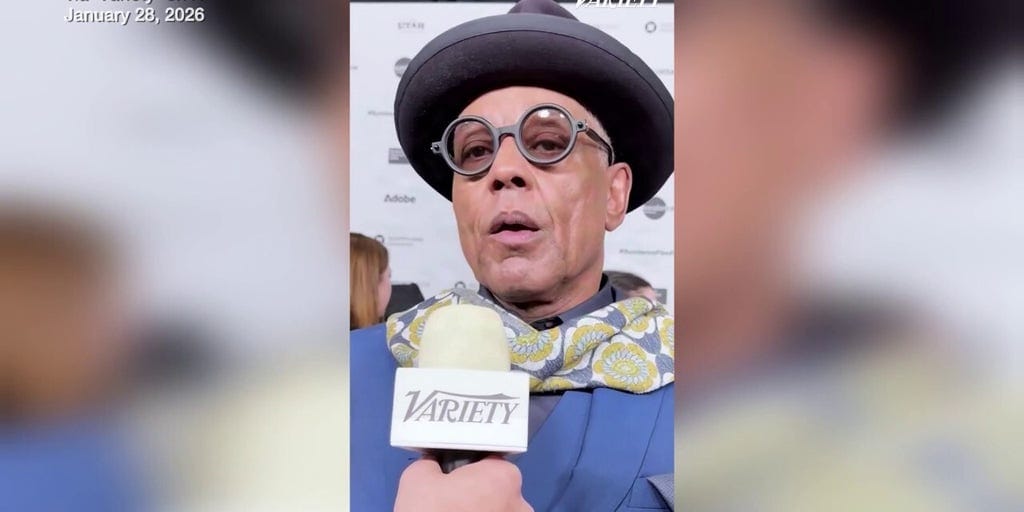
The acclaimed actor Giancarlo Esposito, widely recognized for his intense roles in series such as ‘Breaking Bad,’ has publicly declared it is “time for a revolution” in the United States. His impassioned statement directly addresses the escalating political tensions fueled by the actions of Immigration and Customs Enforcement (ICE) agents, particularly referencing operations in Minneapolis.
Esposito’s comments place him among a growing chorus of public figures and celebrities who have voiced strong opposition to the Donald Trump administration’s policies, especially concerning immigration enforcement. His direct challenge underscores a deep societal friction, suggesting a profound dissatisfaction with governmental actions and their broader implications for the nation’s civic fabric.
Why This Matters: The Intersection of Celebrity, Policy, and Public Sentiment
Giancarlo Esposito’s call for a ‘revolution’ is more than just an individual celebrity’s opinion; it’s a potent symbol of the intensifying polarization within American society. When a figure with his cultural reach uses such strong rhetoric, it amplifies the underlying discontent and brings contentious issues like immigration enforcement into sharper focus for a broad audience.
The term ‘revolution’ itself, while often used hyperbolically in modern discourse, carries significant historical weight. Its deployment here by Esposito signals a perception of systemic failure and a desperate need for radical change, reflecting a segment of the population that feels traditional political avenues are insufficient to address current grievances.
Immigration enforcement, particularly the operations conducted by ICE, has been a flashpoint throughout the Trump administration. Policies focused on increased deportations, heightened border security, and operations within communities have ignited widespread protests and ethical debates. Minneapolis, like other cities, has seen significant local resistance to these federal initiatives.
For many, ICE actions represent a perceived overreach of federal power, infringing upon civil liberties and tearing apart families. Conversely, supporters argue these actions are necessary for national security and maintaining the rule of law. Esposito’s intervention throws gasoline on an already volatile fire, pushing the conversation into a more confrontational space.
Celebrity activism, while not new, has seen a resurgence and increased intensity in the digital age. Actors, musicians, and public personalities now leverage vast social media followings and traditional media platforms to disseminate their political views, influencing public opinion and, at times, directly challenging governmental authority. This phenomenon blurs the lines between entertainment and political advocacy.
The impact of such statements can be multifaceted. They can galvanize existing movements, encourage civic engagement among previously disengaged demographics, and force mainstream media to cover issues more extensively. However, they can also be dismissed as out-of-touch rhetoric from privileged individuals, further entrenching partisan divides rather than fostering productive dialogue.
Esposito’s association with characters known for challenging authority, like Gustavo Fring in ‘Breaking Bad,’ may lend an additional layer of resonance to his current political stance. This blurring of artistic persona with political advocacy can heighten emotional responses from his audience, both positive and negative, demonstrating the powerful interplay between cultural figures and sociopolitical narratives.
Connecting to Broader Trends: Polarization, Digital Activism, and the Future of Governance
Esposito’s comments resonate within a broader context of global political polarization. Societies across the Western world are grappling with deepening ideological divides, often exacerbated by economic inequalities, cultural shifts, and the rapid dissemination of information through digital channels. The U.S. is a prime example of a nation experiencing profound internal fragmentation.
The rise of populist movements and leaders, exemplified by Donald Trump, has often been characterized by strong rhetoric on immigration and national identity. This has, in turn, fueled counter-movements and intensified opposition, creating a cycle of escalating confrontation. Esposito’s statement is a symptom of this larger trend, reflecting the frustration felt by many who perceive democratic institutions failing to address their concerns.
Digital activism plays a crucial role in how such statements gain traction. Social media platforms enable rapid sharing and discussion, allowing celebrity voices to reach millions instantly, bypassing traditional gatekeepers of information. This democratizes influence but also poses challenges in discerning credible information from sensationalism and managing the spread of misinformation.
The debate surrounding immigration enforcement itself is part of a global discussion on sovereignty, human rights, and the ethics of border control in an increasingly interconnected world. Nations continually grapple with the balance between welcoming migrants and refugees, protecting national borders, and ensuring fair and humane treatment for all individuals within their territories.
Furthermore, the tension between federal authority (like ICE) and local jurisdictions (cities like Minneapolis that may seek to limit cooperation with federal immigration efforts) represents a fundamental challenge to the American federalist system. This ongoing legal and political struggle highlights differing philosophies on governance, civil liberties, and the appropriate scope of federal power.
The increasing willingness of public figures to engage directly and vocally in political discourse signals a shift in the role of cultural influencers. They are no longer merely entertainers but have become significant voices in shaping political narratives and mobilizing public sentiment. This trend necessitates a deeper examination of their responsibility and the ethical implications of their influence.
The ‘feeling of civil war in the streets,’ as implied by some of the surrounding commentary on Esposito’s statement, points to the profound sense of disunity and anger that characterizes contemporary American politics. While unlikely to manifest in literal armed conflict, the metaphor speaks to a severe breakdown in civil discourse and a perception of irreconcilable differences.
This climate puts immense pressure on political leaders, institutions, and civil society to find common ground and de-escalate tensions. The challenge lies in addressing legitimate grievances and working towards solutions without further fracturing an already strained national consensus.
A Look Ahead: The Enduring Debate on Immigration and Activism
Giancarlo Esposito’s forceful declaration is unlikely to be an isolated incident. As political divisions persist and key issues like immigration remain unresolved, more public figures will likely leverage their platforms to advocate for change, reflecting the deep anxieties and aspirations of different segments of society.
The debate over immigration enforcement in the U.S. is poised to remain a central feature of the political landscape, irrespective of future administrations. The fundamental questions surrounding border security, pathways to citizenship, the treatment of undocumented individuals, and the role of agencies like ICE will continue to be fiercely contested.
The ongoing dialogue surrounding such issues will demand continued engagement from citizens, policymakers, and civil society organizations. While the rhetoric of ‘revolution’ may seem extreme, it serves as a powerful indicator of the urgency and depth of emotion invested in these critical societal debates.
Understanding the interplay between celebrity influence, government policy, and public sentiment is crucial for navigating the complex political currents of the modern era. Esposito’s statement stands as a testament to the enduring power of a single voice to ignite conversation and reflect the broader, sometimes turbulent, mood of a nation.