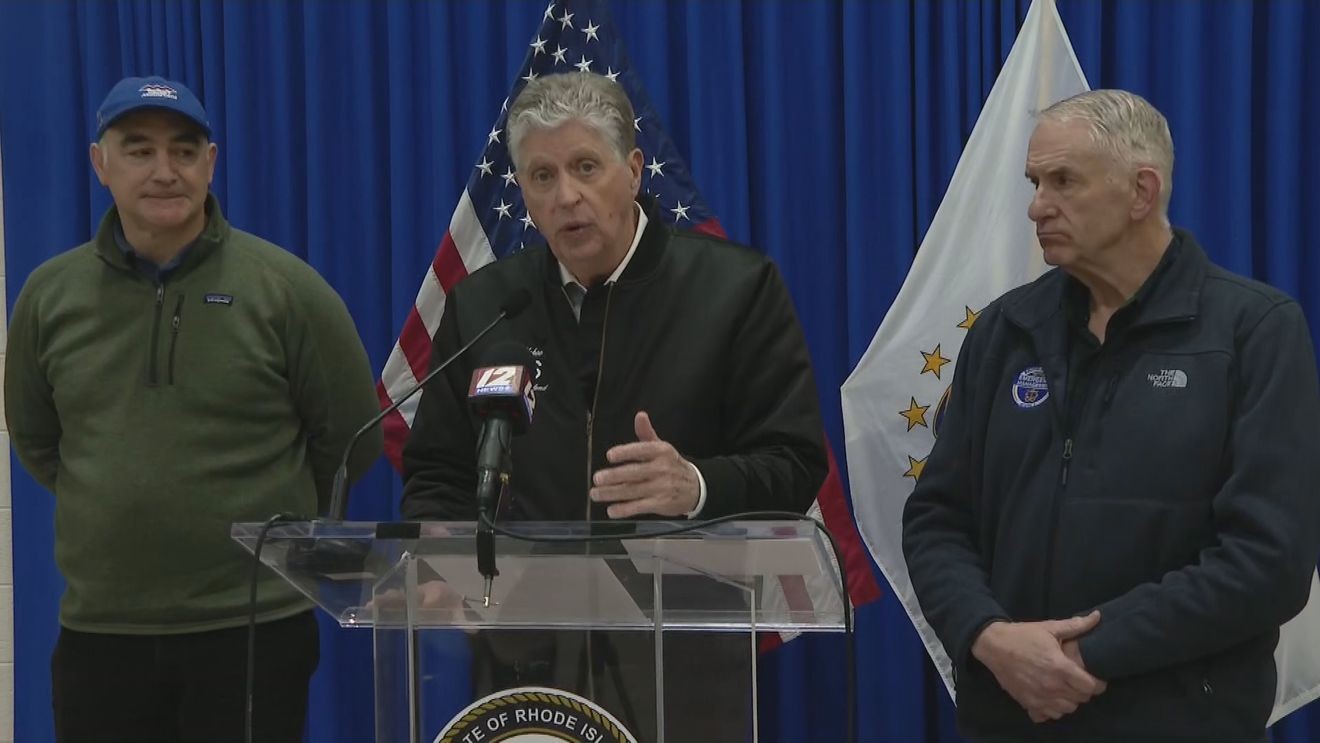
The blizzard of February 23, 2026, has redefined Rhode Island’s meteorological benchmarks, precipitating a systemic suspension of civil and commercial activity. The executive branch has responded with aggressive containment measures, prioritizing the preservation of emergency corridors over immediate economic reactivation. This strategic shift addresses the logistical friction caused by unprecedented snowfall accumulation in the Providence metropolitan area.
Logistical Bottlenecks and Asset Reallocation
Governor Dan McKee’s extension of the statewide travel ban into Tuesday morning serves as a tactical move to mitigate ‘operational drain.’ During the storm’s peak, disabled tractor-trailers and non-essential passenger vehicles created significant impediments for heavy clearance equipment. These incidents diverted specialized recovery assets away from primary arteries, threatening the state’s ability to meet its restoration deadlines.
Current mandates focus on an overnight clearing window where traffic volume is artificially suppressed. The efficacy of this period is the primary metric for determining the phased lifting of restrictions. By maintaining a zero-occupancy policy on major routes, the Department of Transportation aims to optimize the deployment of municipal manpower and maximize the impact of clearing cycles before the Tuesday reassessment.
Utility Resiliency and Restoration Sequencing
Rhode Island Energy has initiated a complex, multi-phase recovery strategy. President Greg Cornett noted that damage assessment was intentionally deferred until Monday afternoon to ensure technician safety amidst high-voltage hazards and sub-optimal visibility. The projected 72-hour restoration window indicates substantial structural compromise to the distribution grid, necessitated by the intersection of record snow weight and high-velocity wind debris.
Restoration sequencing follows a critical-path methodology: priority is allocated to medical facilities and emergency service hubs, followed by high-density residential sectors. This timeline necessitates prolonged institutional reliance on localized backup systems. The logistical success of these utility crews remains inextricably linked to the travel ban, which facilitates the rapid movement of out-of-state mutual aid partners across cleared transit corridors.
Institutional Paralysis and Judicial Impact
The closure of state offices, including the Rhode Island Superior Court in Providence, signifies a total cessation of the state’s administrative and judicial machinery. This suspension creates a cumulative backlog that will require a significant recalibration of public resources once the weather emergency subsides. The closure of cultural landmarks like the Providence Atheneum further illustrates the breadth of the urban paralysis.
The decision to extend these closures through Tuesday afternoon suggests that the executive branch anticipates significant facility access challenges even after snow cessation. This conservative reopening strategy is designed to prevent a premature surge in commuter traffic, which could jeopardize final-stage clearing operations and public safety during the transition to recovery.
Economic Implications and Resilience Strategy
The severed logistics hubs in Providence, particularly around the dense urban centers of Benefit and Williams Streets, have immediate financial consequences for the regional supply chain. For the private sector, the travel ban forces a total suspension of ‘last-mile’ delivery systems and commercial transport, leading to lost productivity and potential inventory spoilage in just-in-time delivery networks.
This 2026 event will likely trigger a rigorous review of state-level resilience strategies. The recurring challenge of commercial vehicles obstructing emergency routes suggests a need for stricter enforcement of pre-emptive weather-related bans. The effectiveness of the eventual recovery will depend on the synergy between executive mandates and public compliance, serving as a litmus test for Rhode Island’s modern emergency management framework.