
The Economics of the ‘Star Anchor’ in Legacy Broadcast Markets
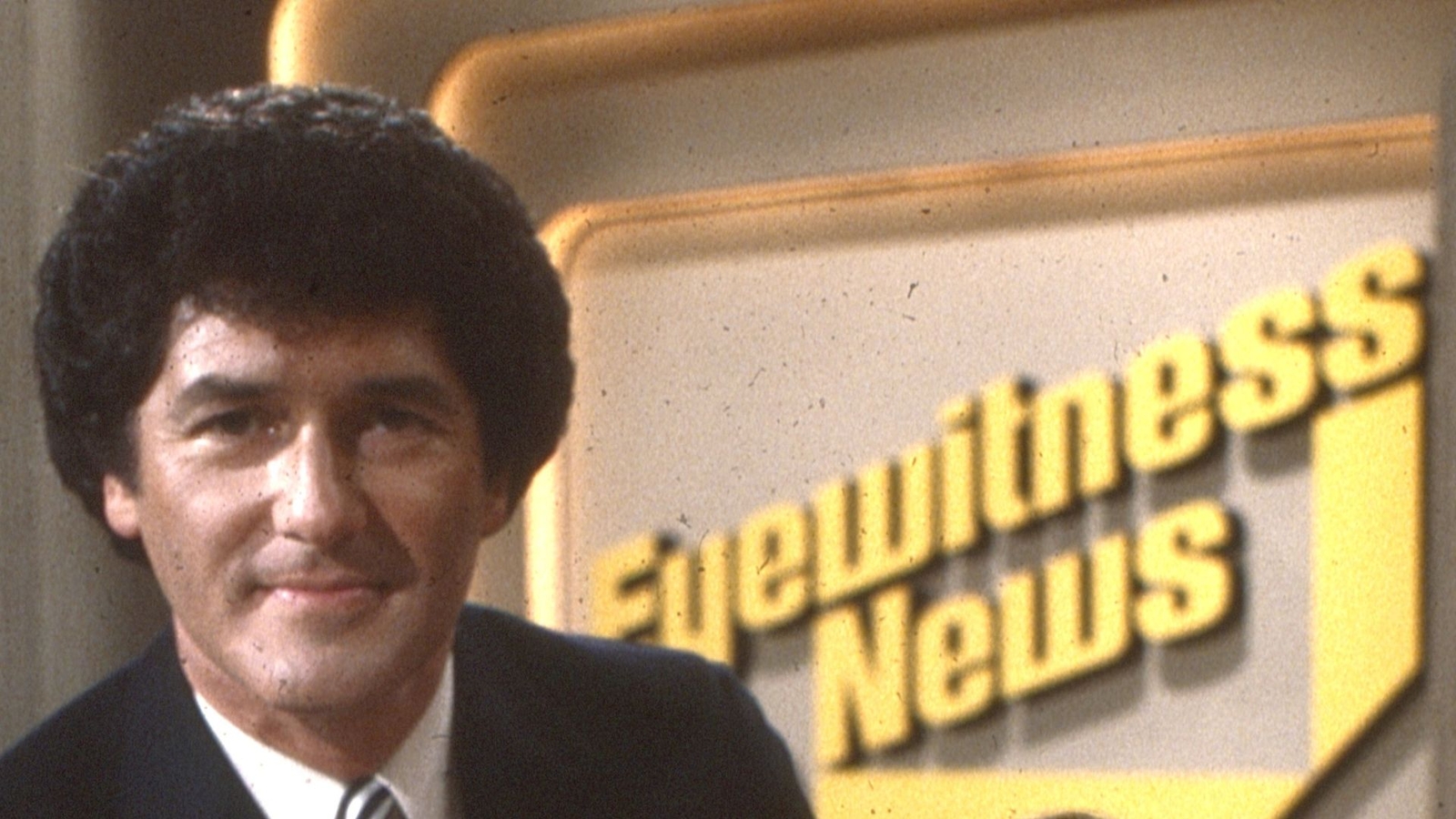
The death of Ernie Anastos at age 82 concludes a career that serves as a case study in the evolution of New York City’s local news economy. Throughout his tenure at major market affiliates—including WABC (Eyewitness News), WCBS, WWOR, and WNYW—Anastos personified a talent-centric operational model. In this pre-digital framework, anchor personalities functioned as the primary engines of audience retention and competitive differentiation, directly influencing advertising rate cards in the nation’s most lucrative media market.
Talent Liquidity and Competitive Market Disruptions
Anastos’s professional trajectory, particularly his 1978–1989 residency at WABC, coincided with the zenith of local broadcast dominance. In this high-stakes environment, the movement of elite talent across WABC, WCBS, and WNBC was a calculated strategic maneuver. Stations utilized high-profile acquisitions to trigger audience migration and disrupt the brand identity of competitors. Anastos’s multi-station career highlights the premium placed on ‘anchor equity’—the measurable financial value an individual brought to a station’s market share and institutional credibility.
Institutional Validation and Performance Indicators
With over 30 Emmy nominations and a Lifetime Achievement Award, Anastos’s accolades represent more than professional milestones; they functioned as critical performance indicators. In the media industry, such institutional validation serves as a strategic asset, enhancing an anchor’s leverage during contract negotiations and signaling ‘prestige’ to advertisers. This validation created a self-reinforcing cycle of credibility that allowed Anastos to remain a relevant market force even as consumption habits shifted toward digital platforms.
From Monolithic Broadcast to Digital Fragmentation
Anastos’s career arc reflects the structural shift from the ‘star system’ of the late 20th century to today’s fragmented digital ecosystem. The concentration of audience share in the 1980s allowed for massive capital allocation toward top-tier talent. Conversely, the modern landscape prioritizes cost efficiency, digital integration, and multi-platform distribution. Anastos’s enduring presence—evidenced by his recent contributions to WABC’s John Lennon coverage—demonstrates how legacy media organizations now leverage historical brand continuity to bridge the gap between traditional broadcast loyalty and the demands of digital-first consumers.
Strategic Conclusion: The Future of Brand Continuity
The legacy of Ernie Anastos underscores the fundamental, yet changing, importance of trust in local journalism. While the ‘star anchor’ model has been diluted by market fragmentation, the institutional memory embodied by figures like Anastos remains a potent tool for brand positioning. His career remains a benchmark for understanding how personality-driven news once defined the financial and cultural landscape of New York City broadcasting.

Photo by Pexels on Pixabay.