
Dual March Madness Berths: High Point University’s Strategic Anomaly
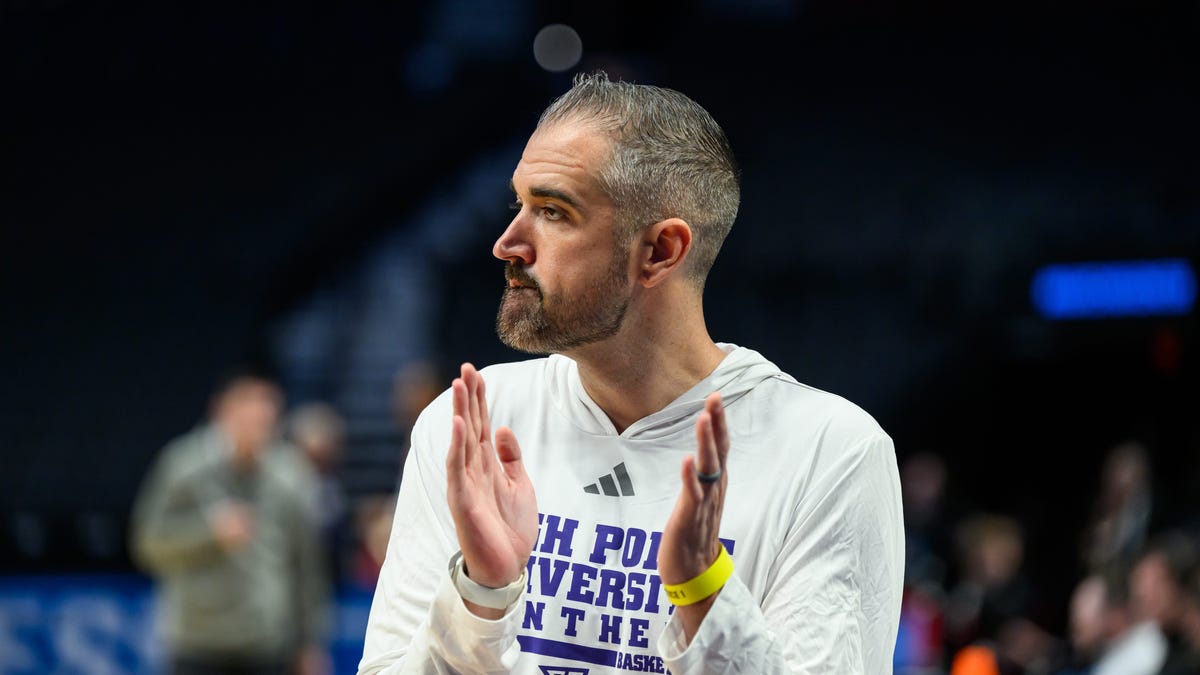
The simultaneous qualification of both High Point University’s men’s and women’s basketball programs for the NCAA Tournament, guided by married coaches Flynn and Katie Clayman, constitutes an unprecedented confluence of personal narrative and strategic institutional achievement. This unique scenario, unfolding in Portland, Oregon, transcends a mere human-interest story, offering a robust analytical lens into collegiate athletic strategy, operational dynamics, and institutional branding. Flynn Clayman, as head coach for the men’s team, and Katie Clayman, an assistant coach for the women’s team, have collaboratively elevated their respective programs to new competitive heights, amplifying High Point University’s national visibility and distinct positioning within the highly competitive NCAA Division I landscape.
Operational Dynamics of a Dual-Coaching Household
Integrated Professional Trajectories and Operational Synergy
The Claymans’ career progression, from assistant coaches at Southern Utah to their current roles at High Point, illustrates a distinctive model of professional integration. Their shared understanding of collegiate coaching’s inherent demands, pressures, and extensive schedules likely fosters a uniquely cohesive and supportive environment. This synergy extends beyond their personal lives, potentially optimizing communication and strategic alignment across High Point University’s basketball programs and contributing to operational efficiencies within the athletic department.
Institutional Governance and HR Frameworks
Employing a married couple in high-profile coaching roles presents specific institutional governance and human resources considerations. While details are beyond the scope, effective departmental hierarchies, performance evaluation protocols, and clear conflict-of-interest management frameworks are essential. High Point University’s success in navigating this dual-coach dynamic underscores robust administrative oversight and a proactive approach to maintaining transparency, fairness, and professional boundaries within its high-stakes NCAA Division I athletic environment.
Sophisticated Logistical and Support Infrastructure
The amplified logistical challenges inherent when both partners in a marriage share collegiate coaching commitments demand robust institutional backing. High Point University’s successful facilitation of simultaneous March Madness appearances by both basketball programs, led by the Claymans, signifies a sophisticated operational infrastructure. This capability for complex scheduling, travel coordination, and optimal resource allocation is fundamental to sustaining high-performance athletic programs and enabling coaching longevity.
Strategic Positioning and Competitive Leverage for High Point University
Unparalleled Brand Enhancement and Recruitment Edge
The Claymans’ simultaneous March Madness success offers High Point University an unparalleled strategic asset for brand enhancement and recruitment. This compelling human-interest narrative attracts significant media attention, elevating the university’s profile beyond traditional sports outlets to a broader national audience. Such positive, organic exposure provides a distinct competitive differentiator, making High Point University a more attractive destination for prospective student-athletes across all sports by showcasing a supportive, high-achieving institutional culture.
Cultivating a Differentiated Athletic Identity
In an increasingly competitive collegiate sports landscape, the Claymans’ narrative directly contributes to High Point University’s differentiated athletic identity. It projects an image of institutional unity, personal dedication, and shared success, resonating with values that attract specific student-athlete and coaching talent. This cultivated identity deepens engagement among alumni, donors, and the broader university community, solidifying the institutional brand and leveraging the ‘family affair’ as a powerful symbol of collective aspiration.
Translating Athletic Success into Institutional Growth
The Claymans’ leadership, culminating in “new heights” for both basketball programs, provides High Point University with tangible leverage for institutional growth. This high-profile athletic success, particularly in March Madness, demonstrably correlates with increased university applications, enhanced fundraising potential, and elevated institutional prestige. The indirect economic benefits of heightened national visibility are substantial, encompassing potential rises in merchandise sales, ticket revenue, and, critically, philanthropic contributions reinvestable across athletic facilities, academic support, and broader university initiatives.
Broader Implications for Collegiate Athletics and Media Narratives
A New Model for Coaching Career Trajectories
The Claymans’ progression from Southern Utah assistant coaches to High Point University’s dual March Madness leaders offers a compelling case study in evolving coaching career trajectories. Their path underscores the critical importance of sustained dedication, strategic professional partnership, and institutional alignment. This narrative provides an invaluable model for aspiring coaches, especially those navigating dual-career professional relationships within demanding collegiate sports, demonstrating how personal and professional lives can be intricately interwoven for collective and individual high-level success.
Strategic Leveraging of Personal Narratives in Media
The widespread interest in the Claymans’ story highlights an evolving media landscape where personal journeys are strategically blended with athletic achievement. This approach engages a broader audience beyond traditional sports enthusiasts, attracting those drawn to human-interest angles and inspirational narratives. For collegiate athletic departments, understanding and strategically leveraging such compelling stories is crucial for public relations and marketing, amplifying reach and resonance to create a more dynamic and engaging media presence.
Heightened Stakeholder Engagement and Community Pride
The Claymans’ unique success fosters a heightened sense of community and pride among High Point University’s diverse stakeholders, including students, faculty, alumni, and local residents. This collective emotional investment can directly translate into increased game attendance, greater alumni participation, and strengthened community ties. The ‘March Madness family affair’ thus emerges as a powerful unifying force, reinforcing institutional identity and fostering a pervasive sense of shared accomplishment.
Sustaining Momentum and Future Strategic Considerations
Strategic Imperatives for Sustained Long-Term Advantage
The immediate, high-profile exposure from this March Madness narrative presents High Point University with a strategic imperative: converting short-term media attention into sustained long-term advantages. This demands proactive engagement with new audiences and consistent reinforcement of the university’s integrated academic and athletic strengths. The challenge involves leveraging this heightened visibility to continually attract top-tier talent, secure additional funding, and consistently elevate the institution’s overall profile through a deliberate, well-executed post-tournament strategy.
Institutional Support as a Catalyst for Coaching Longevity
The Claymans’ success underscores the critical role of institutional support in fostering coaching longevity and program stability. High Point University’s ability to cultivate an environment where both coaches can thrive, individually and as a couple, attests to its robust administrative framework. This comprehensive support extends beyond financial compensation to encompass logistical assistance, professional development, and a culture that actively values the well-being of its coaching staff, proving crucial for retaining high-performing talent and ensuring sustained competitive excellence.
Redefining Collegiate Athletic Leadership Paradigms
The Claymans’ narrative contributes to a paradigm shift in collegiate athletic leadership. Their success demonstrates that high performance can emerge from diverse professional and personal structures, challenging conventional models of coaching staff assembly and management. This experience suggests that institutions fostering environments that accommodate and strategically leverage unique personal dynamics, rather than adhering strictly to traditional frameworks, can unlock significant competitive and cultural advantages, offering valuable insights for innovative athletic program development.
Conclusion: A Case Study in Strategic Athletic Innovation
The Flynn and Katie Clayman narrative at High Point University, marked by dual March Madness berths, stands as a compelling case study in integrated professional and personal success within collegiate athletics. It illuminates the operational complexities, the profound strategic advantages of unique human-interest narratives for institutional branding, the critical imperative for robust administrative and logistical support, and the evolving leadership paradigms in high-performance sports. This unique situation not only significantly elevates High Point University’s national profile but also provides invaluable insights for the broader collegiate athletic landscape, revealing a rich tapestry of interconnected achievement.

Photo by daschorsch on Pixabay.