
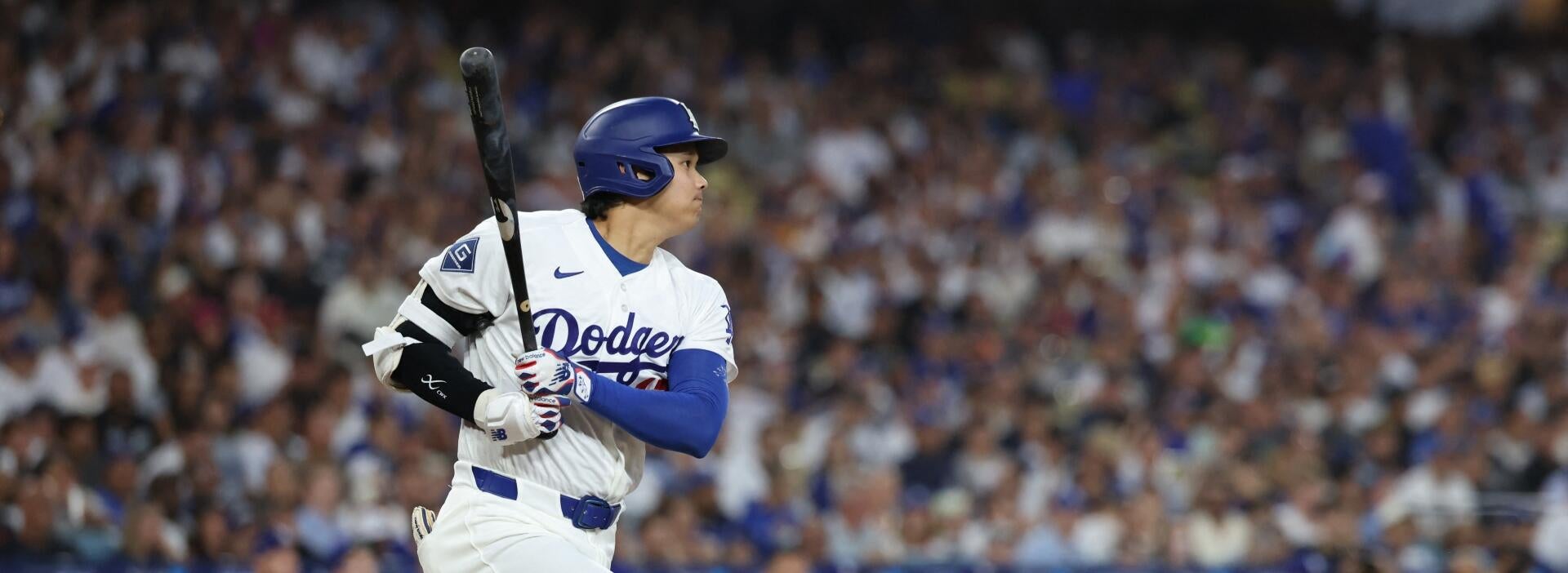
The Los Angeles Dodgers’ acquisition of Tarik Skubal—widely categorized as the premier southpaw in Major League Baseball—signals a definitive pivot from developmental patience to high-leverage urgency. Finalized on the eve of the trade deadline, this blockbuster move serves as a catalyst for a fundamental restructuring of the starting rotation’s hierarchy and operational expectations.
By securing Skubal without depleting immediate major-league pitching depth, the Dodgers have transitioned to a performance-first model. This strategic shift places an quantifiable burden on the existing staff, specifically those whose 2026 metrics fail to align with the club’s championship aspirations. The move effectively raises the performance floor, rendering mid-rotation inconsistency a liability the front office is no longer willing to subsidize.
The Sheehan Performance Deficit and the Snell Factor
Emmet Sheehan enters his Sunday Night Baseball start against the Boston Red Sox under intense institutional scrutiny. With a 4-7 record and a 4.95 ERA, Sheehan’s lack of stability represents a specific vulnerability. His struggle to provide quality starts has transformed his role from a developmental project into a primary focus of the team’s performance-based auditing.
This pressure is intensified by the impending return of Blake Snell. The integration of Snell into the active roster necessitates a corresponding reduction in the rotation, placing Sheehan at the top of the displacement list. Based strictly on 2026 efficiency ratings, Sheehan is currently pitching for his professional survival within the Los Angeles hierarchy.
Red Sox Momentum: A Tactical Stress Test
The Boston Red Sox (59-51) arrive at Dodger Stadium as a significant market disruptor, boasting a 22-4 record since early July. Their surge is anchored by the emergence of Jake Bennett, whose disciplined 2.74 ERA provides a stark contrast to the volatility found in the Dodgers’ back-end rotation. Bennett’s efficiency, coupled with the high-impact hitting of Ceddanne Rafaela, creates a volatile environment for a Dodgers team managing both a massive trade integration and a localized defensive slump.
For the Dodgers (69-42), avoiding a home sweep is not merely about the standings; it is about validating their current roster configuration. The matchup between Bennett and Sheehan serves as a microcosm of the current season: a surging young core in Boston versus an aggressive, acquisition-heavy powerhouse in Los Angeles.
Strategic Implications of the Skubal Trade
The Dodgers’ decision to deploy capital for Skubal while retaining future-facing assets indicates a calculated risk-mitigation strategy. By adding a Cy Young-caliber talent, the organization has mitigated the impact of potential regressions from arms like Eric Lauer or the workload constraints of Justin Wrobleski. This move reinforces the Dodgers’ status as the primary financial and competitive force in the league, creating a zero-sum environment for internal candidates competing for limited postseason innings.
The trade deadline acts as a period of heightened transparency. For Sheehan, the arrival of Skubal is a clear indicator that the margin for error has evaporated. As the Dodgers attempt to stabilize their rotation for a deep October run, every start becomes a high-stakes evaluation of long-term viability.
Conclusion: Performance Leverage in a Win-Now Era
The Skubal acquisition has set a new standard for the Dodgers’ pitching staff. As the trade deadline passes and the postseason race intensifies, the decisions made in early August will dictate the team’s trajectory. For Emmet Sheehan, the challenge is clear: align with the new organizational standard or face displacement as the Dodgers consolidate their resources for a 2026 title run.