Strategic Liquidation of Draft Capital
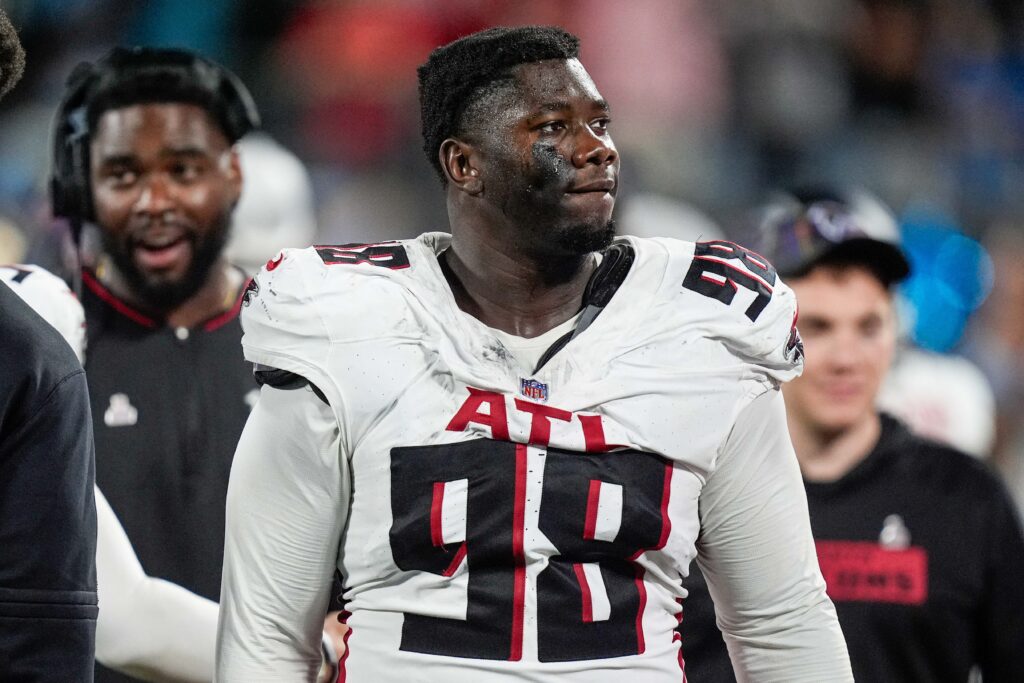
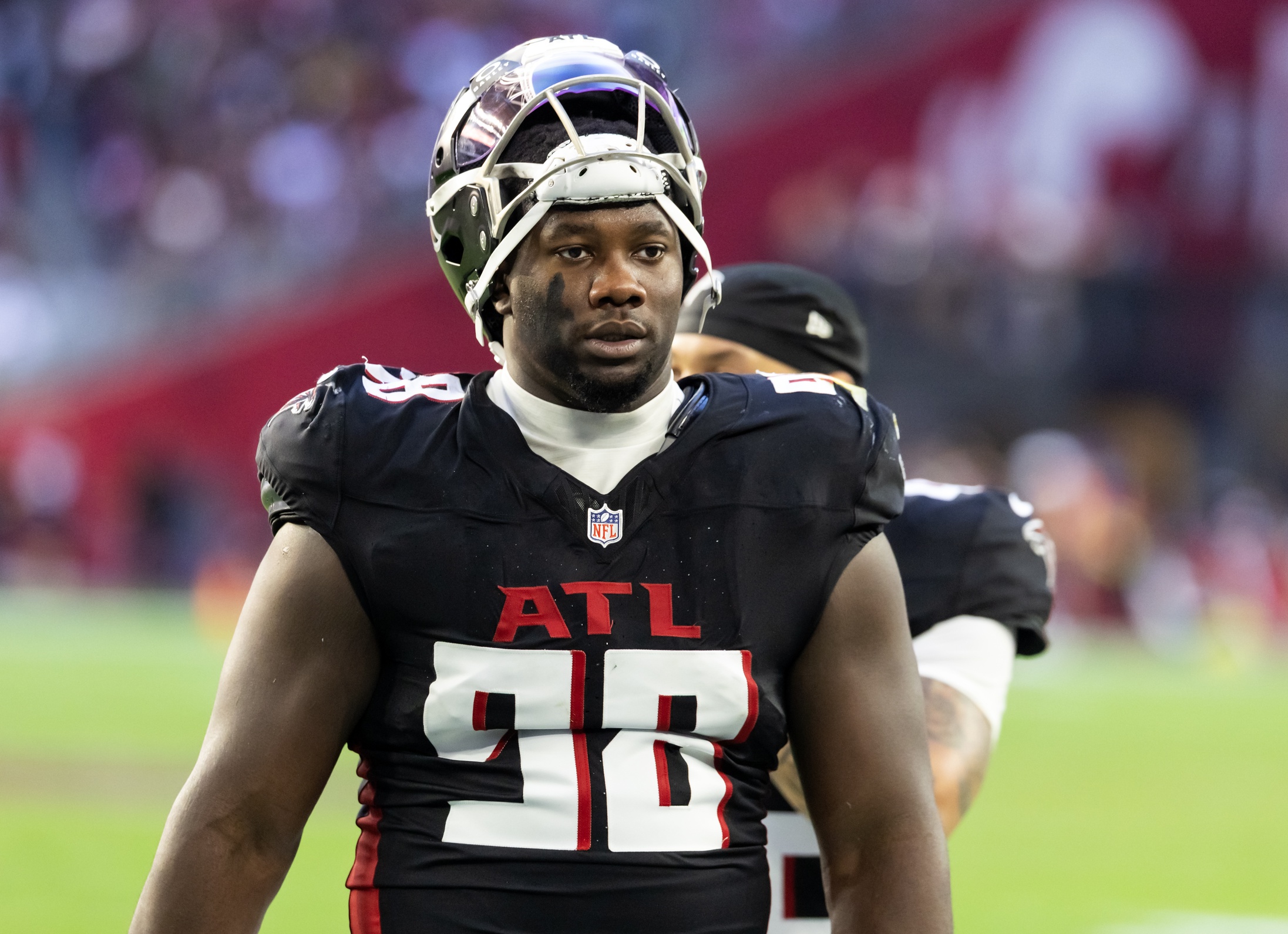
The recent player-for-player exchange between the Atlanta Falcons and Jacksonville Jaguars represents a calculated recalibration of high-pedigree assets. By swapping defensive tackles Ruke Orhorhoro (No. 35 overall, 2024) and Maason Smith (No. 48 overall, 2024), both organizations are effectively liquidating investments made by previous regimes to better align with current tactical requirements.
Institutional Turnover and Scheme Compatibility
This transaction is a direct consequence of systemic leadership transitions. In Atlanta, the administrative tandem of Matt Ryan and Ian Cunningham has prioritized defensive coordinator Jeff Ulbrich’s vision, which favors specific physical archetypes for interior disruption. Conversely, Jacksonville’s General Manager James Gladstone has moved to diversify the roster away from the developmental profiles favored by the preceding Trent Baalke era.
For the Jaguars, acquiring Orhorhoro provides Anthony Campanile’s defense with a proven durable asset. Orhorhoro’s 2025 campaign—featuring 17 starts, 25 tackles, and 3.5 sacks—contrasts with Smith’s high-variance output. This move suggests the Jaguars value immediate floor over the theoretical ceiling initially projected during Smith’s tenure at LSU.
Financial Parity and Contractual Logic
The deal functions as a “clean swap” under the NFL’s collective bargaining agreement wage scale. Orhorhoro’s $9.9M contract and Smith’s $8M deal are both in their third years, allowing both franchises to reset developmental timelines without incurring the punitive dead-cap hits associated with outright releases. By exchanging these contracts, the front offices have optimized their salary cap utility relative to on-field production.
Comparative Performance Metrics
Empirical data from the 2025 season likely accelerated this trade. Smith’s struggles were quantified by a Pro Football Focus ranking of 100th among 127 qualified interior defenders, alongside a lower participation rate (13 games). In contrast, Orhorhoro’s reliability and superior sack production offered a more stable metric for a Jaguars defense seeking consistency. For Atlanta, the gamble rests on Ulbrich’s ability to refine Smith’s raw physical tools, which earned him Freshman All-American honors, into a consistent professional pass-rush threat.
Conclusion: The Modern Roster-Building Paradigm
The Orhorhoro-Smith swap illustrates the diminishing patience of modern NFL front offices. In an era where scheme-fit is paramount, the “sunk cost” of draft positioning is increasingly ignored in favor of operational efficiency. This trade serves as a litmus test for both franchises’ ability to scout and integrate veteran-adjacent talent into evolving defensive systems.