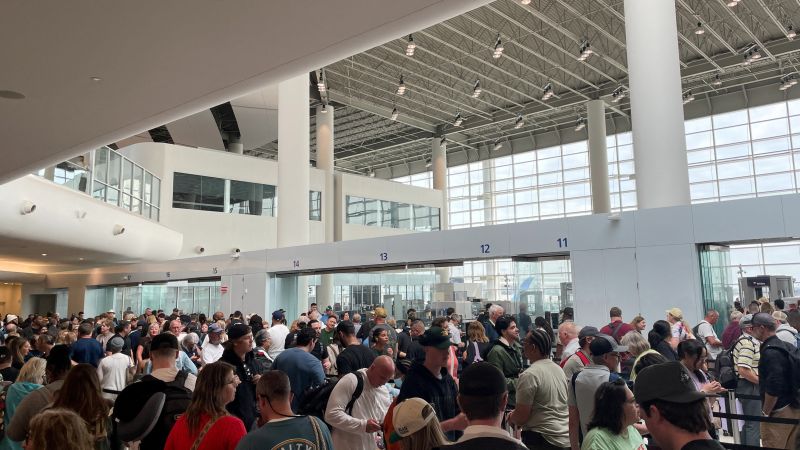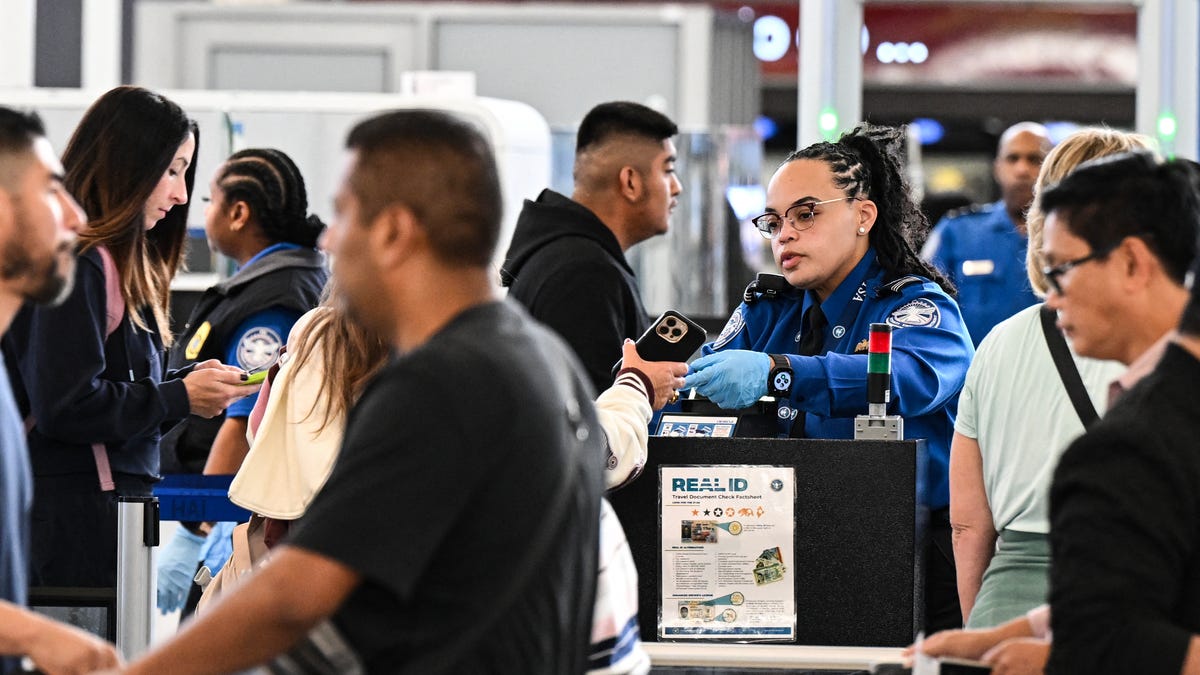
The intersection of a legislative impasse over immigration reform and the high-volume spring break travel window has precipitated a systemic operational crisis within the United States aviation infrastructure. As the Department of Homeland Security (DHS) funding lapse persists, the resulting Transportation Security Administration (TSA) staffing shortages have evolved from an administrative hurdle into a significant drag on the national economy. This degradation of security throughput at critical hubs underscores the inherent vulnerability of a security apparatus dependent on volatile federal appropriations.
Operational Bottlenecks and Terminal Saturation
At Houston’s William P. Hobby Airport, security throughput reached a critical failure point on March 8, with wait times peaking at three and a half hours. This level of travel friction effectively nullifies the logistical efficiency of regional air transit, compelling passengers to arrive up to five hours before departure. This surge in landside dwell time overburdens terminal ecosystems, as baggage handling systems and check-in halls are not architecturally designed to accommodate a consolidated daily passenger load simultaneously.
Similar operational collapses at Louis Armstrong New Orleans International Airport have forced security queues to extend into exterior walkways. These bottlenecks create secondary security risks; dense, unmonitored crowds in public areas present high-value soft targets for external threats. The unpredictability of shift-by-shift staffing—driven by the financial pressures on TSA officers working without guaranteed pay—prevents airlines from maintaining predictable turnaround times, triggering a cascade of delays across domestic networks.
The Macroeconomics of Travel Friction
The timing of the DHS shutdown is particularly detrimental to the aviation sector’s quarterly performance, as spring break represents a high-yield period for domestic carriers. When security wait times exceed the three-hour threshold, the resulting friction imposes direct costs via lost professional productivity and increased rebooking liabilities. Furthermore, terminal congestion shifts the burden of crowd management onto local airport authorities and private contractors, diverting resources to mitigate a federal policy failure.
Airport revenue models, which rely heavily on high-margin discretionary spending in “airside” retail and dining, are significantly compromised when travelers spend their entire pre-flight window in security queues. Longer-term, frequent disruptions of this nature may erode consumer confidence in air travel reliability, potentially shifting demand toward more predictable transport modalities and harming the hospitality sectors in destination cities like Houston and New Orleans.
Institutional Stability and Security Integrity
The DHS’s recent utilization of official communication channels for direct political signaling—attributing operational failures to legislative opposition—marks a notable shift toward the politicization of administrative functions. Characterizing travelers as being held “hostage” for policy points indicates that the department’s functionality is now explicitly tied to partisan outcomes. This environment creates a profound morale and retention risk within the TSA workforce, particularly among lower-wage tiers sensitive to liquidity crises during shutdowns.
Beyond logistics, staffing shortages carry severe national security implications. Security screening is a high-vigilance task; a workforce under severe financial stress and managing record-breaking crowds is statistically more susceptible to human error. The current crisis demonstrates that the efficacy of the aviation security model is as much a product of fiscal stability as it is of screening technology. Without a decoupled funding mechanism for essential transportation functions, the U.S. aviation ecosystem remains vulnerable to recurrent political instability.