‘Pirates of the Caribbean’: Navigating Franchise Evolution with Depp, Robbie
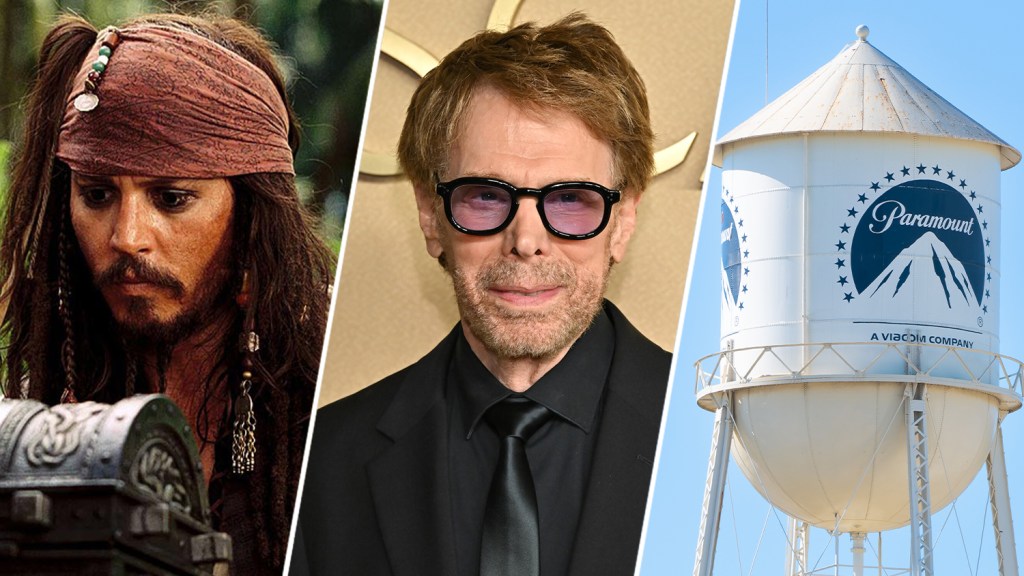
Producer Jerry Bruckheimer has confirmed ongoing discussions with Johnny Depp regarding a potential return to the ‘Pirates of the Caribbean’ franchise for its sixth installment. This development signifies a critical strategic inflection point for the long-running Disney property, as it navigates a planned narrative evolution. The forthcoming chapter is slated to center on a new protagonist, reportedly portrayed by Margot Robbie, with Depp’s iconic Captain Jack Sparrow character transitioning to a supporting role.
This strategic pivot is directly informed by commercial imperatives to revitalize audience interest and extend the franchise’s viability. The 2017 installment, ‘Dead Men Tell No Tales,’ which grossed $795.9 million worldwide, marked it as the lowest-earning film in a series that has collectively amassed $4.5 billion globally. Such a performance underscores the need for a refreshed creative direction to broaden demographic appeal and secure future revenue streams, mitigating potential franchise fatigue.
For Disney, this strategy represents a nuanced approach to intellectual property management, balancing the enduring legacy appeal of Captain Jack Sparrow with a forward-looking drive for innovation and contemporary relevance. Bruckheimer’s role is pivotal in navigating these complex talent dynamics, ensuring continuity for existing fans through Depp’s involvement—even in a revised capacity—while simultaneously signaling a clear progression towards a refreshed franchise identity and diversified audience base. The ongoing screenplay development is a crucial operational phase, tasked with crafting a compelling narrative that seamlessly integrates new leads with established supporting characters, requiring careful storytelling to satisfy both new and existing audiences.
Paramount’s California Dilemma: Antitrust Scrutiny and Relocation Strategy
Beyond the ‘Pirates’ franchise, producer Jerry Bruckheimer also addressed a significant industry shift: David Ellison’s reported plans for Paramount to potentially relocate its operations from California. This proposed maneuver is a direct consequence of mounting regulatory challenges, specifically an antitrust case and the regulatory hold-up of the Melrose lot’s proposed merger with Warner Bros. Discovery. This scenario starkly illustrates the increasing influence of state Attorneys General and federal regulators on major corporate transactions and operational strategies within the media sector.
Bruckheimer, a figure deeply rooted in Hollywood’s traditional infrastructure, voiced concern over the potential departure, emphasizing the embedded economic and cultural ecosystem that defines California’s film industry. A major studio’s exit would carry significant economic consequences for the state, impacting employment, local tax revenues, and the broader creative economy, potentially prompting a re-evaluation of California’s competitive advantages for film production.
For Paramount, such a relocation decision would necessitate a complex calculus of operational costs, regulatory compliance, and strategic long-term positioning, aiming to mitigate financial and administrative burdens imposed by current legal and regulatory environments. This dynamic exemplifies the intricate interplay between corporate strategy, governmental regulation, and regional economic development within the entertainment industry, compelling studios to navigate an increasingly intricate landscape of external legal and policy frameworks. The broader implications extend to a potential decentralization of production hubs, as studios seek more favorable operational conditions, influencing future investment patterns and talent migration.
Ultimately, the confluence of franchise evolution driven by market performance and corporate operational shifts influenced by escalating regulatory pressures defines a period of significant transformation for the entertainment industry. Stakeholders across creative, financial, and governmental spheres are actively shaping its future trajectory.