Operational Constraints and Safety Protocols
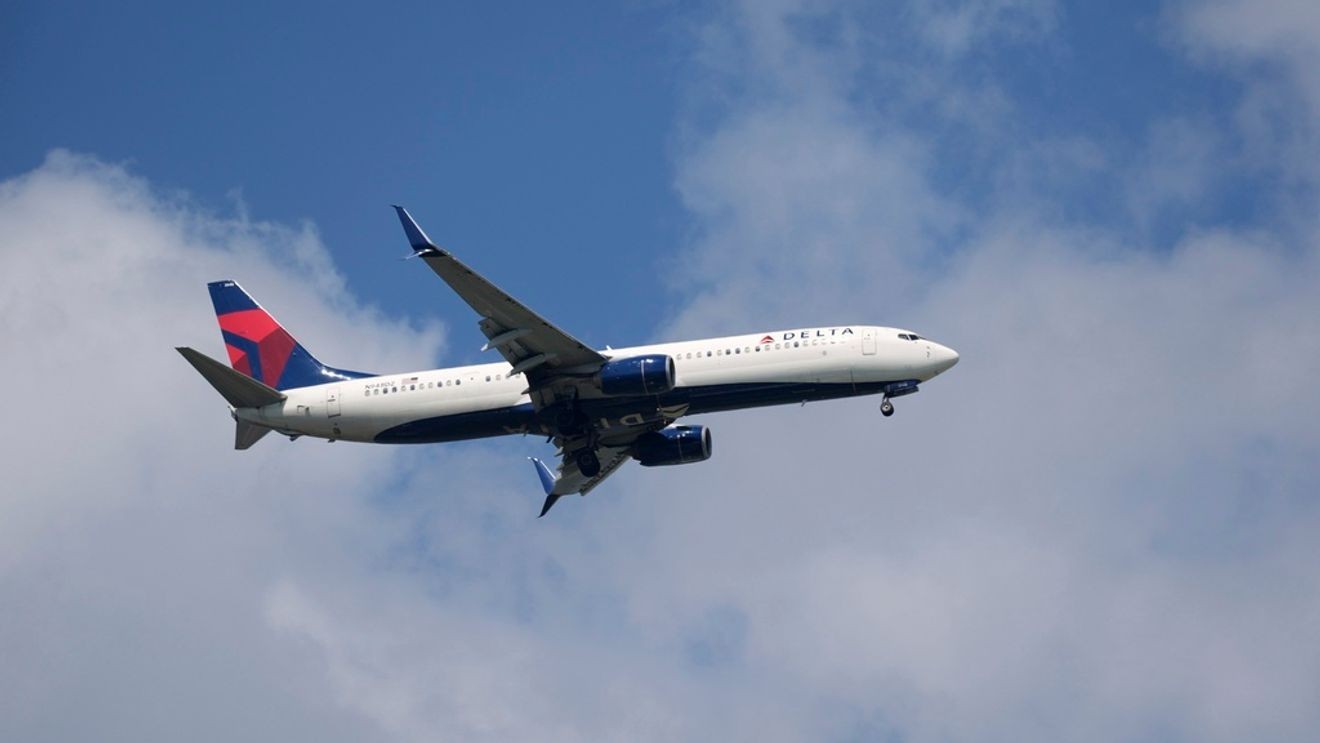
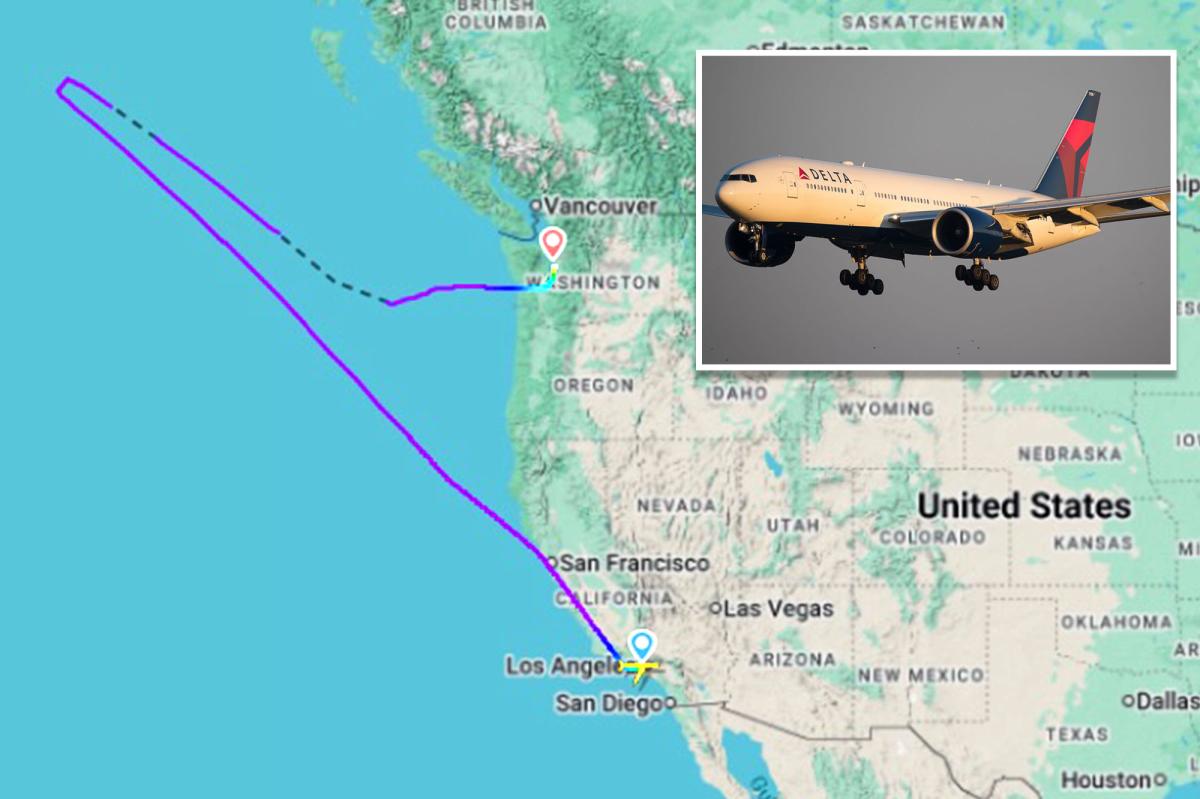
The diversion of Delta Air Lines Flight 39 from Los Angeles to Shanghai to Seattle-Tacoma International Airport highlights the rigid operational frameworks governing long-haul aviation. When a passenger fails to comply with safety instructions, the decision to divert is a calculated risk assessment, prioritizing aircraft and cabin integrity over the significant costs of an unscheduled landing.
Operating an Airbus A350-900, a high-capacity wide-body aircraft, involves complex logistics. A diversion mandates immediate coordination between flight crews, air traffic control, and ground operations to re-accommodate 271 passengers in a hub not originally scheduled for their arrival.
The Economics of Unscheduled Diversions
Financial impacts extend beyond fuel consumption. Airlines must navigate the immediate displacement of flight crews; pilots and flight attendants operate under strict FAA duty-time regulations. A diversion can trigger a ‘crew timeout,’ rendering the crew unable to complete the original flight path legally.
Logistical burdens include passenger care—hotels, meals, and rebooking—alongside the cascading effect on the carrier’s trans-Pacific network. Because wide-body aircraft are optimized for specific high-demand routes, removing one from the rotation creates significant schedule irregularities, often impacting subsequent departures across the global network.
Regulatory Frameworks and Compliance
The intervention of law enforcement upon landing is a standard legal threshold in aviation security. While specific criminal investigations are pending, the involvement of local authorities acts as a necessary procedural deterrent to ensure cabin order.
Aviation safety regulations empower captains with broad authority to maintain cabin security. The escalation from warnings to diversion reflects a tiered response strategy designed to protect the aircraft. Once the cabin environment is compromised, the pilot-in-command must treat the situation as an in-flight emergency, regardless of the fiscal implications.
Strategic Risk Mitigation
Airlines manage in-flight threats through rigorous crew de-escalation training and standardized threat-identification protocols. However, the decision to divert remains a critical safety valve. While carriers maintain contingency plans to mitigate the fallout of such events, the sheer complexity of long-haul logistics makes total insulation from these operational disruptions impossible.
Systemic Resilience
The ability to recover from a mid-flight diversion demonstrates the robustness of modern aviation infrastructure. Managing the logistical requirements for hundreds of passengers on short notice requires high-level coordination. As the industry faces a trend of increased passenger-related disruptions, the focus remains on balancing safety mandates with the operational realities of global transit, ensuring that security is never sacrificed for efficiency.