The Technical Arms Race and Athlete Risk Calculus
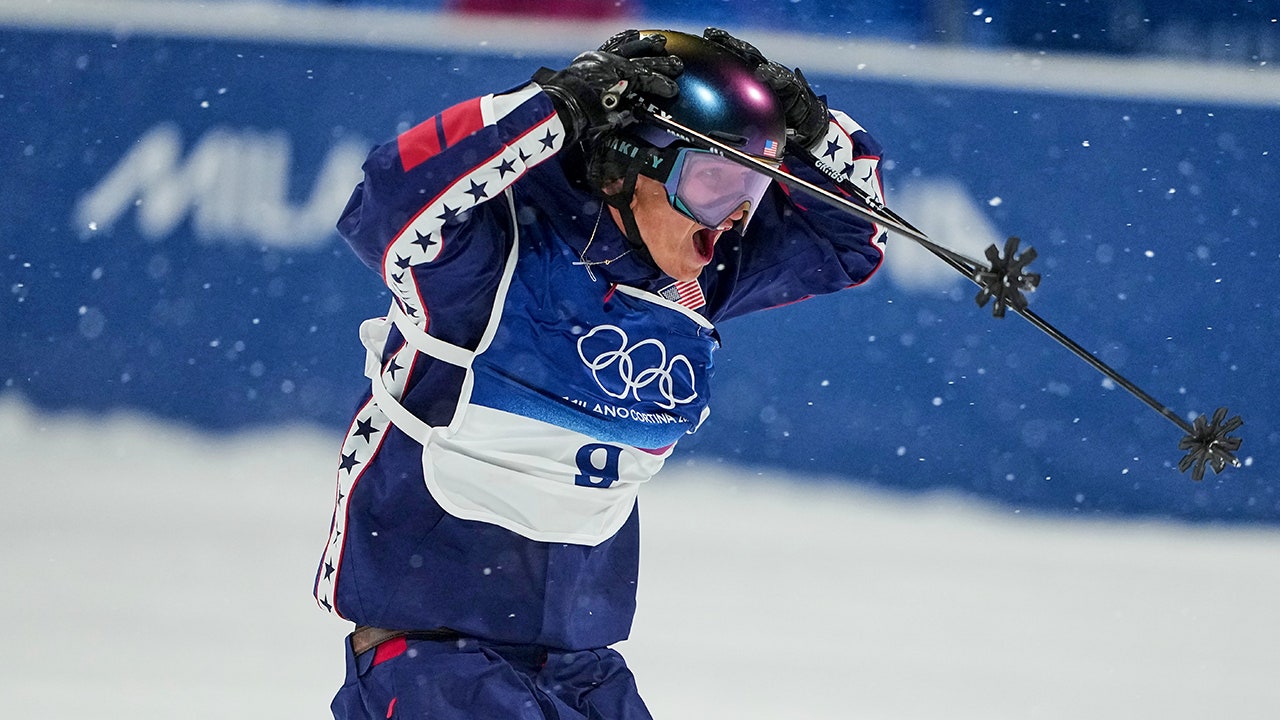
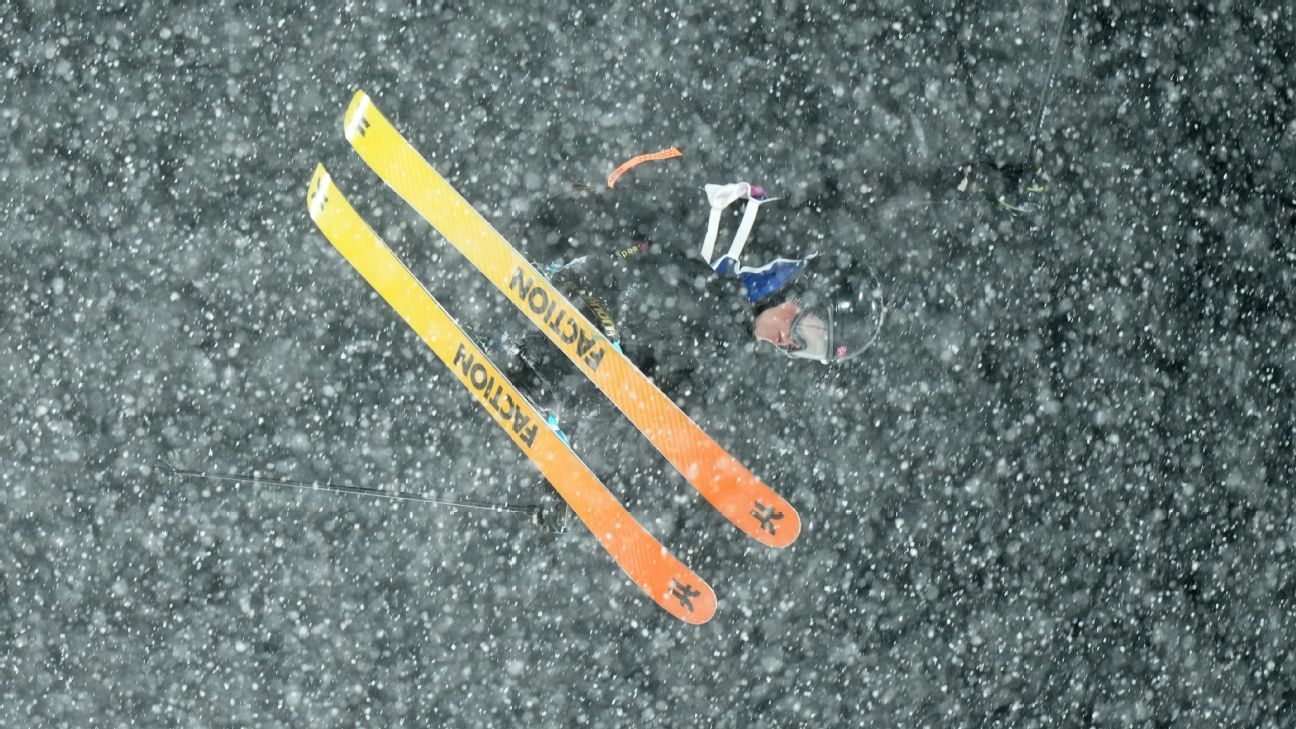
The men’s Freeski Big Air final crystallized the razor-thin margins and escalating risk calculus defining elite winter sports. The 2.25-point differential between gold medalist Tormod Frostad (Norway) and silver medalist Mac Forehand (USA) highlights a convergence of skill where victory is determined by hyper-specific technical execution. Frostad’s competitive edge was secured by integrating a nuanced “nose butter” variation into all three jumps, a testament to the sport’s ongoing technical arms race. In this environment, athletes like Forehand, who executed a nose butter triple cork 2160, operate at the precipice of physical limits. His post-competition statement about being “happy to walk away alive” is not hyperbole but a candid assessment of the stakes involved, bridging the gap between competitive pressure and existential risk.
Institutional Strategy: Course Design as a Risk Amplifier
The physical environment of the Games is a primary tool for manufacturing spectacle, directly amplifying athlete risk. The course designs for men’s downhill skiing, such as the Stelvio in Bormio (63% max gradient) and the Olympia delle Tofane in Cortina (65% max gradient), intentionally exceed the standard 40% gradient for a black slope. This is a strategic institutional decision designed to test athletic limits, heighten drama, and maximize media value. However, this strategy creates a high-leverage environment where minor errors have catastrophic potential. The core tension for governing bodies is therefore balancing the commercial imperative for high-octane entertainment against the ethical imperative for athlete safety. This dynamic necessitates a perpetual recalibration of risk management frameworks, from safety protocols to emergency response, in a landscape of ever-increasing athletic ambition.
Performance Fragility and Stakeholder Economics
The high-risk environment engenders significant performance volatility, which has direct financial and strategic consequences for all stakeholders. Defending Big Air champion Birk Ruud’s uncharacteristic crashes and subsequent eighth-place finish underscore the fragility of elite performance. For athletes and sponsors, such an outcome represents a tangible financial risk, directly impacting endorsement values and career longevity. Conversely, Forehand’s silver medal—only the second for the U.S. in freeski and snowboarding park disciplines—provides national governing bodies with critical leverage to secure increased funding and validate investment in talent development pipelines. A single podium finish can reshape resource allocation, recruitment priorities, and the strategic direction of a national program for an entire competitive cycle.
Divergent Pathways and Systemic Disparities
The Games also revealed profound disparities in athlete development pathways, reflecting the varied economic and structural realities across different winter sports. At one end of the spectrum is 15-year-old U.S. halfpipe skier Abby Winterberger, a club-level athlete who qualified by bypassing the traditional national team pipeline. Her ascent signals a potential shift in talent identification, challenging the efficacy of established institutional structures and raising questions about early specialization. At the other end is 54-year-old Rich Ruohonen, a personal injury lawyer competing as a U.S. curling alternate. Ruohonen exemplifies the model of professional amateurism sustainable in sports with lower physical risks and different funding mechanisms. The contrast between Winterberger and Ruohonen illuminates the diverse economic ecosystems within the Games: one demanding early, high-risk specialization (freeskiing), and another permitting a synthesis of elite sport with a separate professional career (curling). This systemic diversity influences national funding strategies and the very definition of an elite athlete’s career.