
Viking Ullur Grounding: Critical Exposure of Systemic Operational Vulnerabilities on the Danube
The grounding of the Viking Longship Ullur on the Danube River near Vidin, Bulgaria, on July 28, which necessitated the orderly evacuation of 186 passengers, critically exposed systemic operational vulnerabilities within the European river cruise sector. Authorities decisively attributed the incident to critically low water levels, intensely exacerbated by a prolonged regional dry spell and severe summer heat that dramatically accelerated evaporation across the waterway.
This incident vividly underscores the immediate, critical impact of escalating climate-driven environmental shifts on established commercial navigation routes. The vessel’s reported departure from the designated navigation channel, cited by border police, further illustrates the compounded risks where severe environmental constraints drastically reduce the margin for operational error, fundamentally challenging standard piloting and safety protocols.
Climate-Induced Constraints and Their Economic Ripple Effects
This grounding occurred within a broader, alarming context of extreme low water levels impacting multiple sections of the Danube, Europe’s second-longest river. Visual evidence from the European Union’s Copernicus Sentinel-2 satellite starkly confirmed the rapid decline in water levels, revealing extensive exposed pale sediment bars along various Hungarian river bends. This environmental degradation already significantly impedes river navigation and tourism, with sightseeing services to northern Hungarian towns suspended since mid-July.
Such pre-existing, widespread conditions signify a systemic climate challenge. The Ullur incident, therefore, transcends an isolated operational mishap; it serves as a critical symptom of a larger, climate-driven operational and economic crisis for the entire regional tourism economy inextricably linked to the Danube’s navigability.
Operational Bottlenecks and Supply Chain Exposure
The Viking Ullur, with 186 passengers and a crew of 52, was en route to Vidin for essential provisions—food and drinking water replenishment—when it became stranded. This acute operational necessity glaringly underscores the critical dependence of river cruise logistics on highly predictable river conditions and resilient, accessible port infrastructure.
The vessel’s inability to reach its scheduled port due to the grounding dramatically exposed the inherent fragility of supply chains operating within dynamic, climate-affected environmental conditions. Such disruptions immediately necessitate often costly and complex alternative arrangements, imposing unforeseen financial and logistical burdens on operators, directly compromising both passenger experience and safety standards.
Emergency Response Dynamics and Inter-Agency Coordination
The initial attempt to transfer passengers via CroisiEurope’s riverboat Vivaldi failed, unable to approach the grounded Viking Ullur sufficiently. This critical failure highlights not only the complexities of inter-company cooperation during emergency scenarios but also the severe, practical challenges posed by extremely shallow water conditions for rescue operations.
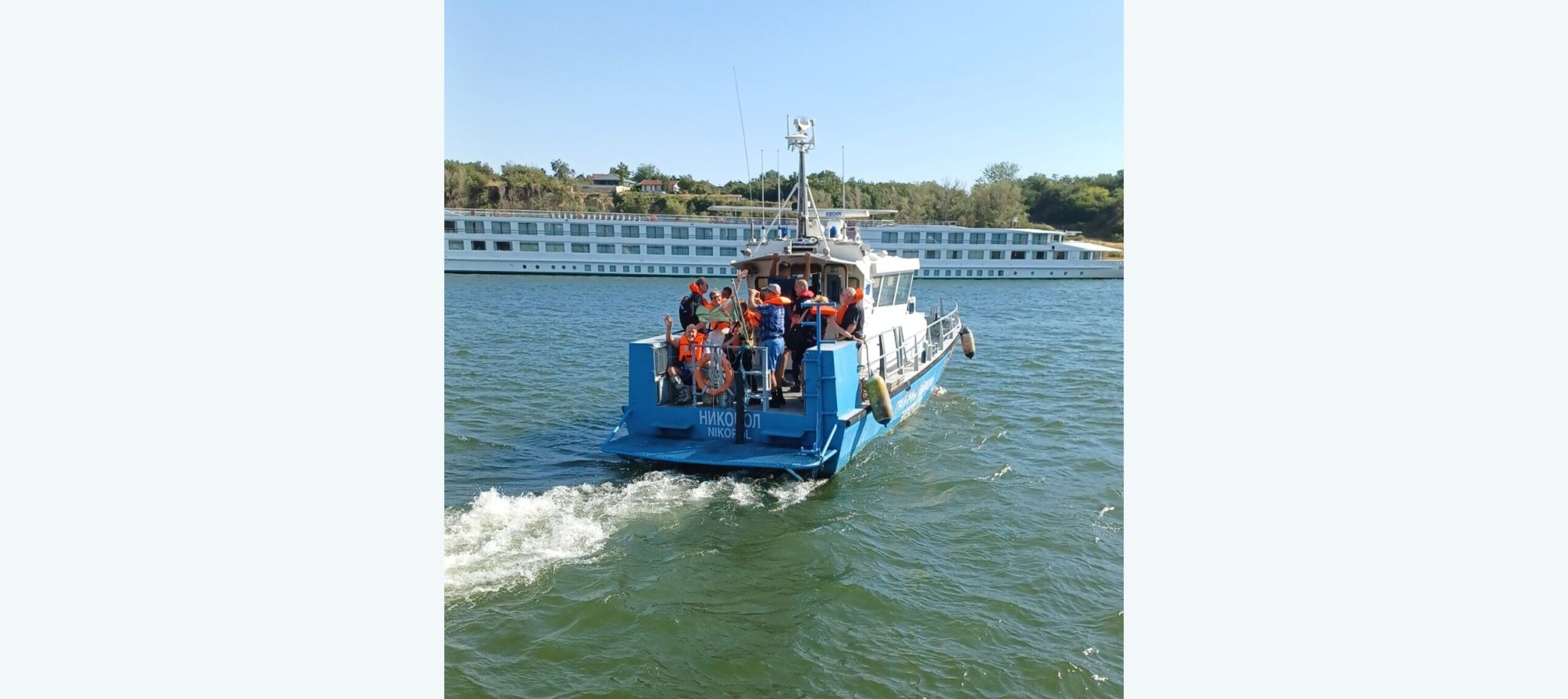
Subsequently, the Bulgarian Border Police, acting under the direct authorization of the River Supervision Directorate in Lom, successfully deployed a dedicated patrol boat from Vidin to evacuate all passengers ashore. This sequence unequivocally underscores the indispensable, critical role of public sector emergency services in crisis resolution, particularly when private sector solutions are rendered inadequate by prevailing environmental or logistical constraints.
Strategic Implications for River Cruise Operators
The grounding of the Viking Ullur stands as a pivotal case study, compelling all river cruise operators to urgently re-evaluate their operational resilience and existing risk management frameworks. This incident directly challenges long-held assumptions regarding route viability and scheduling, especially during periods of escalating environmental volatility.
Companies such as Viking River Cruises now face amplified pressure to strategically invest in advanced hydrological forecasting, develop substantially more agile route planning capabilities, and potentially redesign vessel specifications to ensure effective operation across increasingly fluctuating water levels. This strategic imperative extends far beyond immediate incident response, demanding comprehensive long-term fleet modernization and operational diversification.
Capital Exposure and Financial Performance Leverage
Beyond the immediate, tangible costs associated with passenger evacuation and potential vessel recovery, the grounding imposes significant capital exposure on Viking River Cruises. Tangible revenue losses from disrupted itineraries, substantial passenger compensation liabilities, and the direct expenses of emergency logistics will invariably impact overall profitability and investor confidence.
Crucially, this incident introduces a profound element of performance leverage: the demonstrated ability to effectively mitigate such inherent climate-driven risks now unequivocally becomes a paramount competitive differentiator. Operators exhibiting superior adaptability and robust, proactive contingency planning in the face of escalating environmental challenges are poised to gain market share, whereas those perceived as less resilient risk enduring sustained financial headwinds and severe reputational damage.
Reputational Capital and Brand Trust in a Volatile Environment
For a premium brand such as Viking, an incident necessitating passenger evacuation inherently carries substantial reputational risk. While the orderly and professional nature of the evacuation, competently led by Bulgarian authorities, successfully mitigated some immediate concerns, the underlying and persistent cause—escalating environmental vulnerability—remains a profound, long-term threat to brand trust and consumer perception.
The evolving narrative surrounding such high-profile events fundamentally shapes public perception of safety, reliability, and corporate responsibility within the broader river cruise industry. Consequently, proactive, transparent communication and demonstrably robust strategies for comprehensively addressing climate-related operational challenges become absolutely paramount for meticulously maintaining consumer confidence and securing future bookings in an increasingly competitive global tourism market.
Governance, Regulation, and International Waterway Management
The direct involvement of the Bulgarian Border Police and the River Supervision Directorate in Lom starkly highlights the intricate, multi-layered governance structure overseeing international waterways like the Danube. These sovereign national authorities are specifically tasked with maintaining navigation safety and ensuring prompt, effective responses to incidents within their respective jurisdictions.
The broader regional context, crucially including prior warnings from authorities in Serbia and Croatia concerning critically low water levels, points unequivocally to an urgent need for coordinated, comprehensive international strategies for integrated river basin management. Furthermore, the European Union’s proactive utilization of Copernicus Sentinel-2 imagery underscores the vital, evolving role of supranational bodies in consistently monitoring and assessing environmental conditions that directly and profoundly impact the commercial and recreational use of shared natural resources.
Market Dynamics and Demand Shifts in River Tourism
Sustained and recurrent periods of critically low water levels, unequivocally evidenced by the Danube incident, are poised to trigger significant and lasting shifts in market dynamics for the entire river tourism sector. Should the reliability and predictability of river cruise itineraries become consistently compromised, consumer demand will likely pivot decisively towards alternative forms of travel or destinations demonstrably less susceptible to climate variability and operational disruptions.
This projected shift inherently creates both formidable challenges and distinct opportunities. While certain traditional routes may indeed become less economically viable, such pressures could simultaneously spur profound innovation in vessel design, accelerate the development of entirely new, climate-resilient itineraries, or necessitate substantial, long-term investment in critical infrastructure projects aimed at artificially maintaining navigable depths—albeit at considerable financial cost and demanding rigorous environmental consideration.
Long-Term Investment and Infrastructure Adaptation
The recurring and intensifying nature of low water level warnings, coupled with their undeniable direct impact on navigation, unequivocally suggests a profound long-term imperative for strategic investment in comprehensive infrastructure adaptation along the entire Danube. This critical adaptation could encompass extensive dredging operations, the strategic construction of barrages or locks to precisely regulate water flow, or the significant enhancement of existing port facilities to dynamically accommodate drastically varying river conditions.
Executing such large-scale, complex projects demands immense capital outlay and unprecedented coordinated efforts among multiple riparian states and the European Union. The economic viability of these substantial investments must be rigorously weighed against the projected increasing frequency and severity of climate-induced disruptions, profoundly influencing strategic planning for the entire inland waterway transport sector and its future resilience.
Technological Integration and Predictive Analytics
The Ullur incident powerfully underscores the escalating necessity for river cruise operators and regulatory bodies alike to aggressively integrate advanced technological solutions for both real-time monitoring and sophisticated predictive analytics. Leveraging rich data from sources like Copernicus Sentinel-2, synergistically combined with highly localized, granular hydrological models, can yield substantially more accurate and timely forecasts of water levels and evolving navigation conditions.
Such comprehensive technological integration would empower significantly more dynamic route adjustments, facilitate genuinely proactive communication with passengers, and ensure optimally efficient resource allocation for enhanced emergency preparedness. This transformative shift towards data-driven operational intelligence is rapidly becoming an absolutely critical, indispensable component of robust risk mitigation within an increasingly volatile and unpredictable environmental landscape.
Stakeholder Accountability and Industry Standards Evolution
The grounding of the Viking Ullur inevitably raises profound questions regarding comprehensive stakeholder accountability, encompassing responsibilities from vessel operators to the myriad regulatory bodies entrusted with waterway management. This seminal event serves as a potent catalyst for the indispensable evolution of industry standards, particularly concerning operational protocols during periods of severe environmental stress and hydrological unpredictability.
Consequently, critical discussions surrounding minimum navigable depths, robust contingency planning requirements, and the intricate delineation of responsibilities between private operators and public emergency services are poised to intensify significantly. This ongoing, crucial dialogue will fundamentally shape the future regulatory environment and profoundly influence how the river cruise industry strategically balances commercial imperatives with paramount safety and rigorous environmental stewardship.
The Broader Context of Climate Resilience in Transport
Ultimately, the Viking Ullur grounding transcends a singular operational mishap, positioning itself as a palpable and urgent manifestation of the broader, profound climate resilience challenges confronting the entire global transport sector. As global weather patterns continue their relentless shift, existing infrastructure, often designed for historical norms, increasingly encounters extreme conditions well outside its intended operational parameters.
This critically necessitates a comprehensive, systemic re-evaluation of how transport networks, particularly those intrinsically reliant on natural waterways, are meticulously planned, proactively managed, and robustly adapted for future viability. The incident on the Danube serves as an unequivocal, stark reminder that climate change is not merely an abstract environmental concern but a fundamental, irreversible driver of escalating operational risk and imperative strategic reorientation across critical economic sectors globally.
Photo by 12019 on Pixabay.