Judicial Intervention Mandates Exhibit Restoration in National Parks
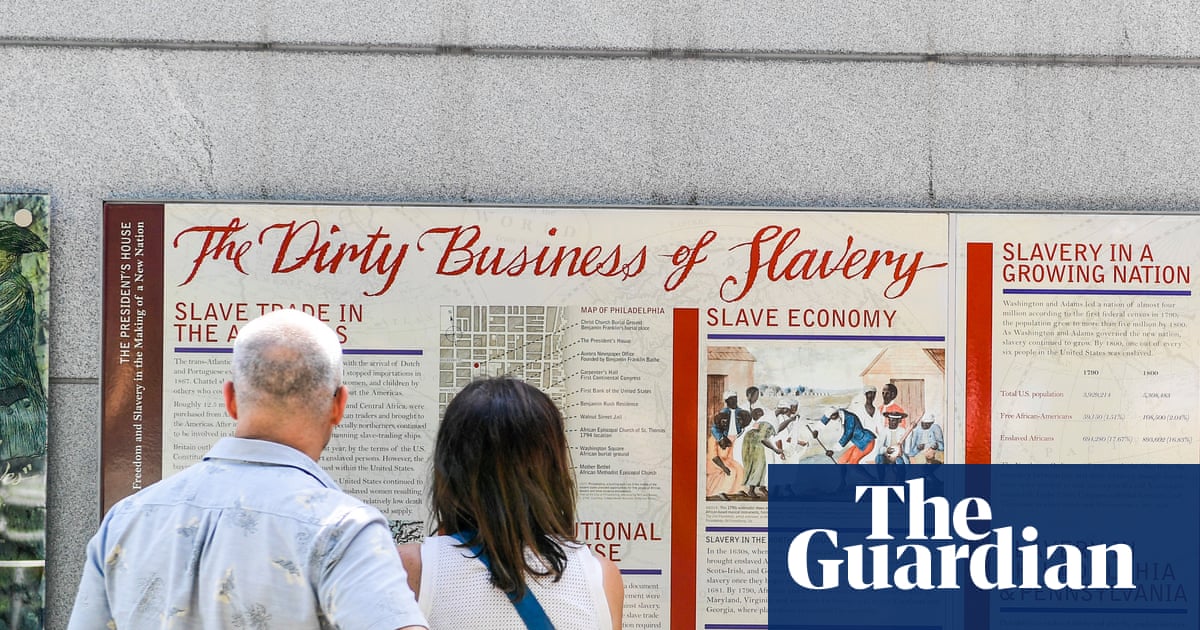
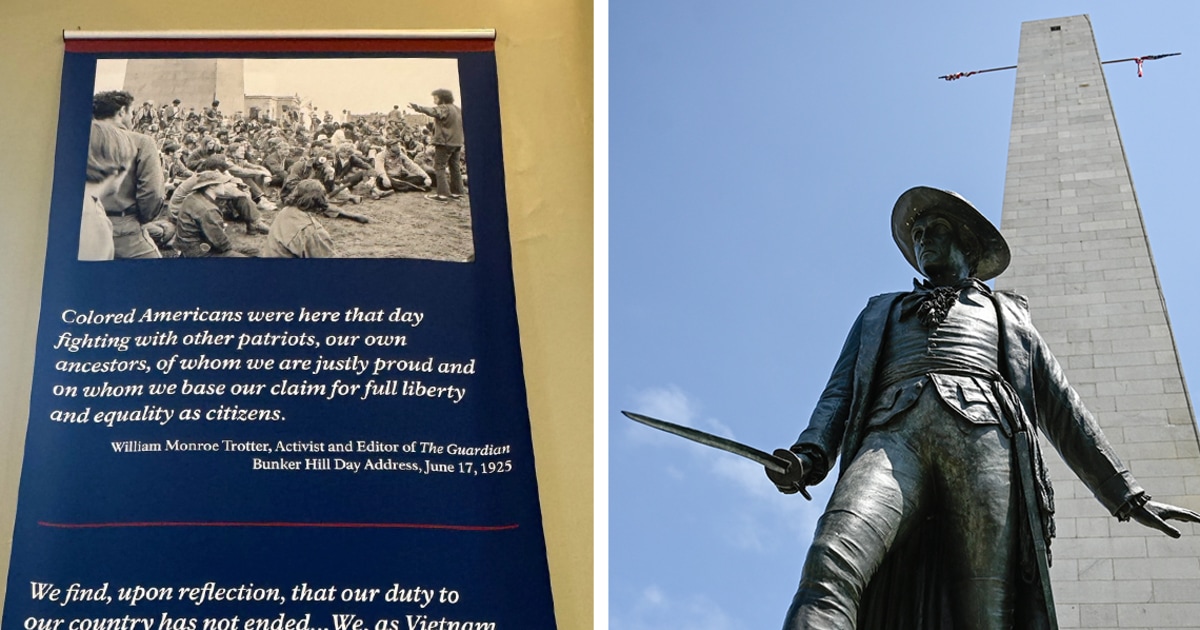
A U.S. district court judge has issued a preliminary injunction compelling the Trump administration to reinstate historical and scientific exhibits previously removed from national parks and monuments. U.S. District Judge Angel Kelley ruled that the directive to remove materials on topics like slavery and climate change, which conflicted with the administration’s narrative, established a “dangerous precedent of censorship and sanitization.” This judicial action directly challenges an executive order aimed at reviewing and altering historical representations within federal institutions.
The executive order, titled “restoring truth and sanity to American history,” tasked the Secretary of the Interior with examining monuments, memorials, and statues for alterations made after January 2020, purportedly to correct a “false construction of American history.” This directive emerged amid the White House’s broader opposition to “liberal wokeism,” including the rollback of diversity, equity, and inclusion (DEI) initiatives, which the administration characterized as divisive.
Judge Kelley’s ruling specifically addressed the argument that the Department of the Interior had engaged in a “sustained campaign to erase history and undermine science.” The court found the removal of these exhibits compromised the “integrity of the National Parks” and set a concerning precedent for information suppression. The order mandates the restoration of exhibits within 21 days, timed before the nation’s 250th anniversary, underscoring the importance of a comprehensive historical record.
Plaintiffs, including the National Parks Conservation Association and the American Association for State and Local History, argued the removals constituted administrative overreach and a deliberate attempt to sanitize public discourse. Their challenge highlighted concerns among conservationists, historians, and scientists regarding the politicization of federal cultural and scientific institutions, and the potential erosion of public trust.
The Trump administration’s directive followed intense national debate and protests for racial justice in 2020, which led to the removal of Confederate symbols. The executive order appeared to be a counter-movement, seeking to reassert a particular interpretation of American history and purge what was described as “corrosive” or “ideological indoctrination.” This signaled a strategic effort to reshape narratives presented in public spaces, prioritizing versions aligning with specific political ideologies.
The injunction’s legal basis rests on the Administrative Procedure Act, which governs agency rulemaking. By ordering reinstatement, the court asserts the executive order and subsequent actions were arbitrary and capricious. This intervention highlights the judiciary’s role in checking executive power and ensuring agencies operate within legal frameworks, especially concerning public record and historical interpretation.
The ruling’s implications extend beyond immediate restoration, establishing a precedent for future administrative actions on public historical and scientific information. The court’s emphasis on avoiding “censorship and sanitization” signals broader concern about politically motivated alterations of public knowledge, potentially impacting the educational mission of national parks.
The groups that brought the lawsuit represent stakeholders invested in accurate historical accounts and scientific integrity. Their involvement signifies institutional concern within conservation, historical, and scientific communities about the politicization of public lands and the potential for ideological agendas to influence factual information. The legal victory suggests successful advocacy to counter perceived erosion of objective standards in public interpretation.
The ruling’s timing, before the nation’s 250th anniversary, underscores the urgency to ensure national parks serve as comprehensive educational resources. This anniversary is a moment for national reflection, and the court’s decision aims to ensure this reflection is informed by a full spectrum of historical experiences, including slavery’s legacy and critical scientific issues like climate change.
The executive order’s focus on materials altered after January 2020 suggests a political motivation to reverse narratives that gained prominence during heightened social and political activism. This signaled an intent to reassert a traditional interpretation of American history, potentially downplaying aspects deemed controversial. This aligns with a strategy to challenge progressive social movements and their influence on public institutions.
The Department of the Interior faces the operational challenge of rapidly reinstating exhibits. This requires logistical coordination and potential re-evaluation of internal directives. The court’s order implies previous actions lacked adequate administrative law support, necessitating review of content removal and exhibit management processes.
The ruling also addresses the broader discourse surrounding “wokeism” and its perceived impact on American institutions. By framing exhibit removal as censorship, the court validates concerns that such actions can lead to the suppression of diverse perspectives and the sanitization of complex historical truths, potentially emboldening other groups advocating for inclusive historical narratives.
The long-term impact may influence how future administrations manage historical and scientific content in federal agencies, reinforcing that executive discretion is not absolute and is subject to judicial review when actions are arbitrary or capricious, thus safeguarding against political interference in factual and scientific integrity.
The groups involved represent diverse interests, from landscape preservation to historical understanding. Their collective action demonstrates a shared concern that politicization can undermine national parks’ core missions. The court’s alignment suggests recognition of these institutions’ vital role in shaping public knowledge and national identity.
The plaintiffs’ legal strategy likely focused on demonstrating how the executive order constituted arbitrary administrative authority. By highlighting the lack of justification and potential harm, they persuaded the court to intervene, underscoring the importance of procedural due process and substantive review in administrative decision-making.
The ruling implicitly addresses the tension between national identity and historical accountability. The administration’s directive suggests a desire for a less critical view of history, but the court’s decision emphasizes that honest engagement with the past, including its difficult aspects, is essential for understanding the present and future. This frames the debate as inclusive representation versus selective narrative control.
The financial and resource implications for the Department of the Interior include costs for design, fabrication, installation, and communication. The expedited timeline may necessitate budget reallocation or external services, impacting other priorities and requiring consideration for long-term financial strategy for politically reviewed exhibits.
Ultimately, Judge Kelley’s ruling intervenes in shaping public understanding of American history and science. By mandating exhibit restoration, the court affirmed the importance of preserving a comprehensive and uncensored historical record, safeguarding national parks as educational and cultural resources.