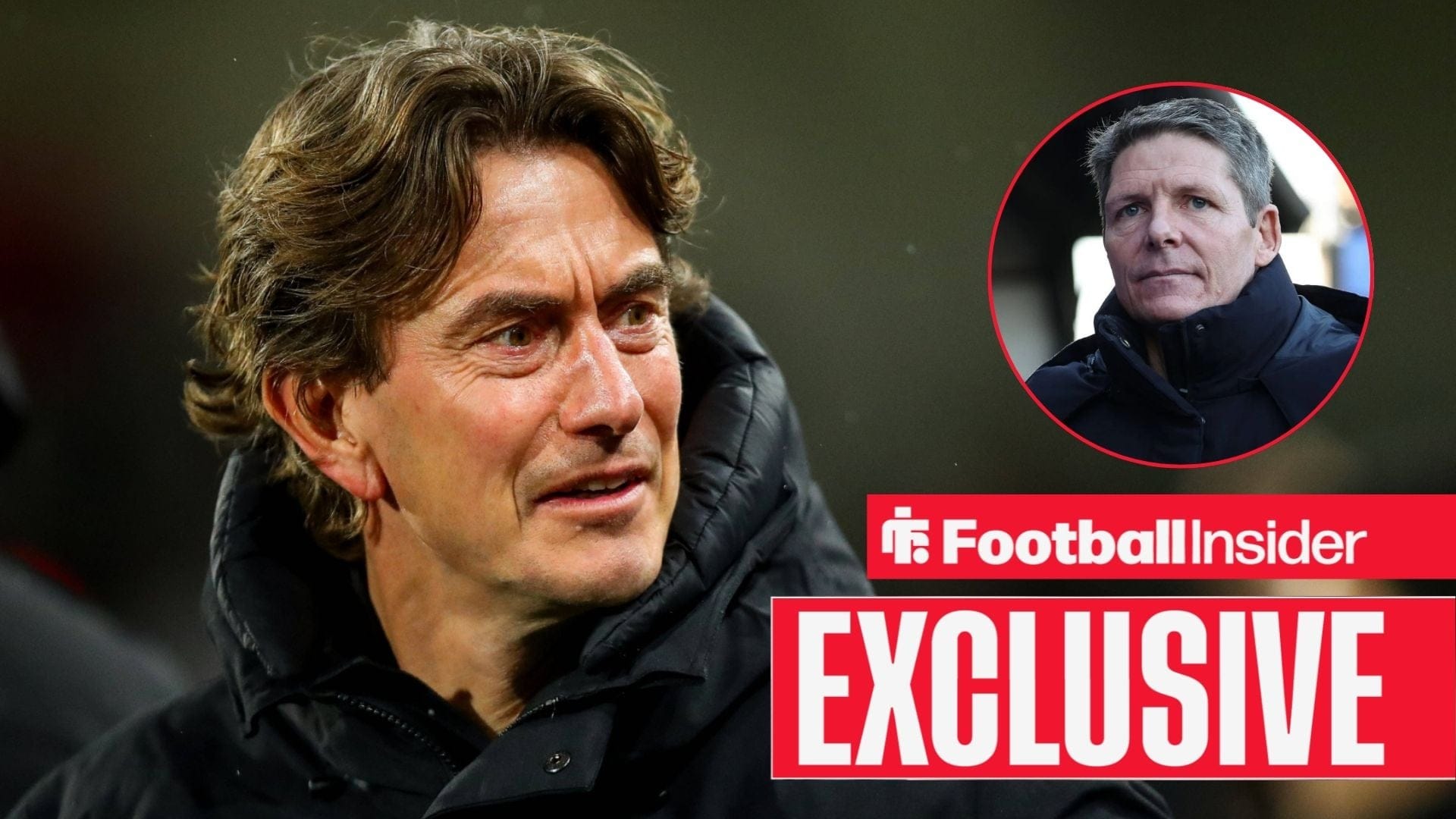
Crystal Palace Football Club is reportedly in an advanced stage of exploring candidates for its next manager, with current head coach Oliver Glasner potentially set for replacement. Among the prominent names emerging as strong contenders for the hot seat are Brentford’s Thomas Frank, former Chelsea and Everton manager Frank Lampard, and Bournemouth’s Andoni Iraola.
The strategic search underscores the highly competitive nature of top-tier professional football, particularly within the Premier League, where clubs are under constant pressure to optimize performance, achieve ambitious objectives, and maintain a distinct identity. The upcoming summer transfer window is anticipated to be a period of significant strategic moves, with managerial appointments often serving as the foundational change that reshapes a club’s direction.
The Quest for New Leadership at Selhurst Park
Sources indicate that Crystal Palace is planning to offer Thomas Frank the opportunity to become their new manager this summer. This exclusive report highlights Frank’s strong standing within the football community, largely attributed to his successful tenure at Brentford. During his time with the Bees, he has not only cultivated a distinct and effective playing style but has also consistently guided the club to perform beyond initial expectations, particularly in the demanding environment of the Premier League.
Frank’s appeal is further amplified in light of recent “Tottenham sack news,” a type of speculation that often precedes or accompanies significant managerial shifts across the league. Such movements typically create a ripple effect, making respected and proven figures like Frank highly sought after by clubs looking to solidify their future and build sustainable success. His ability to develop players, foster a strong team spirit, and implement clear tactical frameworks are qualities highly valued by club hierarchies.
The decision to pursue a manager of Frank’s caliber reflects a strategic ambition by Crystal Palace to potentially elevate its competitive standing. The club’s board will undoubtedly be weighing his track record of getting the best out of limited resources and his capacity to establish a clear long-term vision, which are vital for any club striving for stability and growth in a league as cut-throat as the Premier League.
Frank Lampard and Andoni Iraola Also in Contention
In addition to Frank, former England international and revered Chelsea midfielder Frank Lampard is also eyed as a potential replacement for Glasner, according to a recent transfer notebook. Lampard brings a significant wealth of experience from managing at the highest level, including high-profile stints with his former club Chelsea and then with Everton. During these roles, he navigated periods of intense scrutiny, worked with squads containing international stars, and faced the immense pressure of fan and media expectations.
His background as a player who competed at the very pinnacle of the game offers a unique perspective on the modern dressing room and the demands of top-flight football. Clubs often value this direct experience, believing it can help a manager relate to players and understand the intricacies of competition at the elite level. Lampard’s previous managerial experiences, though marked by challenges, have provided him with invaluable lessons in squad management, tactical adaptation, and dealing with the relentless media cycle.
Crystal Palace is also actively monitoring Bournemouth manager Andoni Iraola as a candidate. Iraola, whose contract is reportedly set to expire, presents an intriguing option for the Eagles. His work at Bournemouth has garnered significant attention, showcasing his distinct tactical acumen and ability to organize a competitive team that often punches above its weight in the demanding environment of the Premier League. His teams are typically characterized by high energy, intelligent pressing, and disciplined defensive structures.
The monitoring of managers with expiring contracts is a common and often shrewd strategy in modern football recruitment. It allows clubs to potentially secure top-tier talent without incurring significant compensation fees, which can run into millions of pounds. This aspect makes such candidates particularly attractive when financial considerations are paramount, allowing resources to be potentially diverted towards strengthening the playing squad rather than solely on managerial appointments.
Understanding Managerial Transitions in Football: A Deeper Dive
The process of replacing a manager is a truly critical phase for any professional football club, impacting virtually every facet of its operation – from player morale and tactical philosophy to overall club identity and financial health. Decisions made during this period can have profound and lasting implications for a club’s trajectory for several seasons, sometimes even for a decade or more.
Club boards and sporting directors typically engage in extensive due diligence, evaluating a wide array of factors that go far beyond mere win-loss records. These often include a candidate’s preferred tactical approach and its alignment with the club’s long-term vision, their experience in managing at different levels and dealing with diverse player personalities, their ability to work effectively within a club’s existing administrative and sporting structure, and their potential to develop existing players and integrate academy graduates. Crucially, the cultural fit with the club’s history, values, and fervent fanbase is also a paramount consideration, as a disconnect here can lead to significant discontent and instability.
The intense scrutiny and public speculation surrounding managerial changes reflect the incredibly high stakes involved. Fans, media outlets, and financial stakeholders closely follow these developments, understanding that a new manager can either reinvigorate a stagnant squad and lead to unprecedented success, or, conversely, exacerbate existing problems and lead to further instability and underperformance. The modern football manager is not just a coach; they are often the public face of the club, responsible for communication, motivation, and strategic direction.
The Broader Context of the Transfer Market Dynamics
Beyond the managerial merry-go-round, the football world is perpetually abuzz with transfer speculation and confirmed player movements. The “Transfer Notebook” referenced also briefly touched upon other potential movements, indicating the widespread nature of market activity. These included an “ex-Chelsea star” being offered to Manchester United and striker Wilson reportedly looking to leave Fulham.
While specific details on these particular player movements remain sparse within the current reports, they serve as a potent reminder of the continuous player recruitment and retention challenges faced by clubs at all levels. The interplay between managerial appointments and player transfers is often direct and symbiotic; new managers frequently seek to bring in players who ideally fit their specific system and tactical preferences, or conversely, offload players who do not align with their vision or are deemed surplus to requirements.
The decision by a player like Wilson to seek an exit from Fulham, for instance, could be motivated by a complex array of factors. These might include a desire for more consistent playing time, the lure of a more lucrative contract elsewhere, the ambition to compete at a higher level or in European competitions, or simply the desire for a new challenge and a fresh start at a different club. Similarly, the offering of a high-profile player to a club of Manchester United’s stature indicates the strategic maneuvering that agents and clubs engage in to optimize player careers and refine squad compositions, often involving intricate negotiations and financial considerations.
The Demands of Premier League Management: A Unique Challenge
Managing a Premier League club demands an exceptional and multifaceted blend of tactical brilliance, astute man-management skills, advanced leadership qualities, and unwavering resilience under intense pressure. The league is globally renowned for its competitive intensity, unpredictability, and high physical demands, where even clubs at the lower end of the table can pose significant threats to the traditional powerhouses, making every match a potential banana skin.
Managers must adeptly navigate incredibly complex locker room dynamics, which often involve players from diverse cultural backgrounds with varying motivations and expectations. They are also required to handle extensive media obligations, where every word is scrutinized, and to consistently manage the often-unrealistic expectations of a demanding and passionate fanbase. Their ultimate success or failure often hinges on their ability to adapt swiftly to unforeseen challenges, implement highly effective strategies in real-time, and maintain a cohesive, motivated, and injury-free squad throughout a long, arduous, and physically taxing season.
The financial stakes involved in the Premier League further amplify the immense pressure on managers. The threat of relegation, for example, can lead to massive revenue losses, including significant drops in broadcast income and sponsorship deals, potentially crippling a club financially. Conversely, securing European competition berths, such as the Champions League or Europa League, can unlock substantial financial windfalls, enhance a club’s global brand presence, and significantly boost its appeal to top-tier players. These profound economic realities heavily influence managerial decisions, impact their recruitment strategies, and are often critical determinants of their tenure and job security.
Impact on Club Strategy and Playing Philosophy
A change in management almost invariably heralds a significant shift in a club’s overall strategy and, most visibly, its playing philosophy. Each incoming manager typically brings their own distinct approach to the game, reflecting their personal beliefs and experiences. This could manifest as a strong emphasis on possession-based football, intricate passing patterns, and control of the midfield; a preference for rapid counter-attacking prowess, direct play, and clinical finishing; or a focus on defensive solidity, disciplined organization, and set-piece strength.
For Crystal Palace, the impending choice between candidates like Thomas Frank, known for his structured and highly effective pragmatic approach; Frank Lampard, with his often-attacking philosophy and emphasis on youth integration; and Andoni Iraola, who might introduce a distinct tactical flavor rooted in his Spanish influences and high-pressing style, will fundamentally define the club’s on-field identity and strategic direction for the coming seasons. This decision is not merely about appointing an individual; it is about establishing the very direction the club intends to take in its pursuit of competitive excellence.
The club’s hierarchy, including its owner, chairman, and technical director, will meticulously weigh these different philosophies against their long-term vision for player development, the integration of promising academy prospects into the first team, and their overall competitive objectives within the Premier League and potential cup competitions. A well-considered and strategically aligned managerial appointment is crucial for ensuring that the coaching staff’s vision is synchronized with the club’s broader institutional goals and its aspiration for sustained success.
Anticipating a Transformative Summer Window
As the current football season progresses towards its climax, the speculation surrounding these potential managerial shifts will undoubtedly intensify, becoming a focal point of discussion among fans and pundits alike. For Crystal Palace, securing the right individual to lead the team next season will be an absolutely paramount decision in their ongoing ambition to establish themselves firmly within the Premier League’s highly competitive landscape and build a foundation for future achievements.
The choices made in the coming months, both in the dugout regarding the managerial appointment and in the bustling transfer market concerning player recruitment and departures, will largely dictate the narrative for Crystal Palace and indeed for other clubs across English football undergoing similar periods of transition. The summer promises to be a busy, transformative, and potentially club-defining period, full of anticipation and strategic maneuvers that will shape the fortunes of teams for years to come.