The Intersection of Celebrity and Wellness Trends
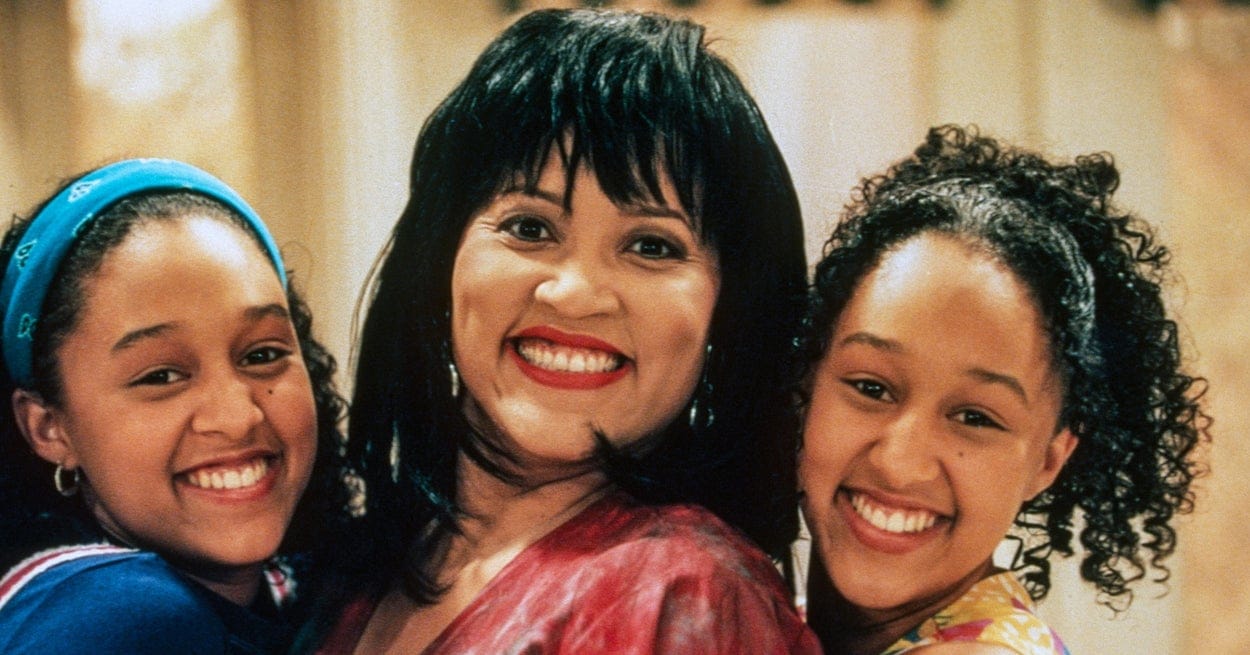
The recent public disclosure by acclaimed actress Jackée Harry regarding her health and aesthetic journey provides a compelling focal point for understanding significant shifts within the pharmaceutical and aesthetic medicine sectors. Known to a generation of viewers for her iconic role as Lisa Landry, the fashion designer mom in the beloved ’90s sitcom “Sister, Sister,” Harry’s personal story transcends mere celebrity gossip, offering valuable insights into broader market dynamics.
Her experience — losing 50 pounds with the aid of a GLP-1 agonist, followed by a facelift to address what she termed her “sagging neck” — reflects a growing convergence of medical advancements, personal wellness goals, and evolving societal attitudes towards aging and body image. Harry’s enthusiastic declaration that she feels “renewed” and her description of the weight loss as “miraculous” underscore the profound personal impact of these interventions, simultaneously signaling potent market forces at play.
Why This Matters: A Bellwether for Consumer Behavior
Jackée Harry’s decision to share her journey exclusively with PEOPLE magazine elevates a private health decision into a public narrative, serving as a powerful bellwether for current and future consumer behaviors. Her candidness demystifies medical and aesthetic procedures, potentially encouraging broader acceptance and adoption among her substantial fan base and the wider public. This phenomenon is particularly relevant for market analysts tracking shifts in discretionary spending on health, wellness, and beauty.
The narrative arc — from pharmaceutical intervention for weight loss to subsequent aesthetic enhancement — represents a significant trend. Consumers are increasingly seeking holistic solutions for self-improvement, often combining different modalities to achieve desired outcomes. This integrated approach creates new opportunities and challenges for healthcare providers, pharmaceutical companies, and the aesthetic industry alike.
The Rise of GLP-1 Agonists in Weight Management
The pharmaceutical landscape has been dramatically reshaped by the advent of GLP-1 receptor agonists, a class of drugs initially developed for type 2 diabetes but increasingly recognized for their profound efficacy in weight management. Jackée Harry’s 50-pound weight loss attributed to a GLP-1 is a testament to their transformative potential, mirroring countless personal stories emerging globally.
These drugs, such as semaglutide and tirzepatide, work by mimicking naturally occurring hormones that regulate appetite and blood sugar. Their mechanism of action — slowing gastric emptying, increasing feelings of fullness, and reducing cravings — has proven highly effective in achieving significant and sustained weight loss for many individuals. This has led to an unprecedented surge in demand, positioning GLP-1s as one of the most impactful pharmaceutical innovations of the decade.
Market Dynamics and Economic Impact
The market for GLP-1 agonists is experiencing explosive growth, with analysts projecting multi-billion dollar revenues in the coming years. Pharmaceutical giants are heavily investing in research and development to expand the indications, improve formulations, and increase production capacity. This robust market activity has far-reaching economic implications, influencing stock performance, driving mergers and acquisitions, and stimulating innovation across the biotech sector.
Beyond direct sales, the widespread adoption of GLP-1s impacts related industries. Demand for medical consultations, nutritional counseling, and fitness programs may shift, adapting to individuals on these medications. Furthermore, the long-term health benefits of substantial weight loss, such as reduced risk of cardiovascular disease and diabetes, could eventually lead to a re-evaluation of healthcare spending and resource allocation by public health systems and insurance providers.
Post-Weight Loss Aesthetic Procedures: A Growing Segment
Significant weight loss, while immensely beneficial for health, often leaves individuals with excess or loose skin, particularly in areas like the neck, arms, abdomen, and thighs. Jackée Harry’s decision to undergo a facelift to address her “sagging neck” exemplifies a burgeoning trend: the increasing demand for post-bariatric and post-weight-loss aesthetic procedures. This segment of the cosmetic surgery market is experiencing rapid expansion, fueled by both the success of weight loss interventions and evolving body image ideals.
Facelifts, once primarily associated with combating natural signs of aging, are now also sought by individuals who have achieved dramatic weight loss. The goal is often to restore facial contours and achieve a more youthful and harmonious appearance that aligns with their healthier new physique. This trend highlights a sophisticated interplay between medical weight management and reconstructive aesthetic surgery, creating a continuum of care for individuals on transformative health journeys.
Drivers of Growth in Aesthetic Medicine
Several factors are contributing to the robust growth in aesthetic medicine. Advancements in surgical techniques, non-invasive alternatives, and recovery protocols have made procedures safer and more accessible. There’s also a noticeable shift in cultural attitudes, with less stigma attached to cosmetic enhancements and a greater emphasis on personal choice and self-care. Social media platforms, while not explicitly mentioned in the input, undeniably play a role in normalizing these procedures by showcasing results and fostering communities around aesthetic goals.
Economically, the aesthetic market is a powerhouse. It encompasses not only surgical fees but also ancillary services, pre- and post-operative care, and a vast array of medical-grade skincare products. Investment in aesthetic clinics, medical tourism for procedures, and the development of new devices and technologies continue to drive substantial revenue streams globally. The increasing intersection with weight management creates a fertile ground for cross-referrals and integrated service offerings.
Celebrity Influence as a Market Catalyst
The media plays an indispensable role in shaping public perception and driving consumer trends, a dynamic powerfully exemplified by celebrity disclosures. Jackée Harry’s ‘exclusive’ interview with PEOPLE magazine about her “miraculous” weight loss and subsequent facelift acts as a potent market catalyst. Celebrities, with their broad reach and aspirational appeal, can significantly influence the adoption rates of products and services.
When a recognizable figure like Jackée Harry openly shares a positive experience with a GLP-1 drug or a facelift, it lends credibility and reduces perceived risks for potential consumers. This form of implicit endorsement can generate considerable public interest, leading to increased inquiries to healthcare providers, heightened demand for specific treatments, and a general normalization of procedures that might otherwise be viewed with skepticism or hesitation. The narrative from a trusted or beloved public figure can resonate more deeply than traditional advertising.
The Economic Ripple Effect of Celebrity Endorsement
The economic ripple effect of such celebrity narratives is multifaceted. It can directly boost sales and appointments for the specific pharmaceutical products and aesthetic procedures mentioned. It can also enhance brand visibility for clinics and practitioners associated with such high-profile cases (even if not explicitly named, the general field benefits). Furthermore, it can stimulate investment in companies within these sectors, as investors recognize the growing consumer interest driven by cultural influencers.
For market analysts, tracking celebrity health and wellness journeys offers a unique lens into emergent consumer preferences and the potential for rapid market shifts. It underscores the power of personal storytelling in an increasingly interconnected and media-saturated world, where individual experiences can translate into mass market movements.
Looking Ahead: Converging Markets and Evolving Demands
The experiences shared by figures such as Jackée Harry underscore a broader trend: the convergence of medical innovation, aesthetic enhancement, and personal wellness into a single, increasingly integrated market. The pharmaceutical industry’s breakthroughs, particularly with GLP-1 agonists, are creating new pathways for health management, while the aesthetic sector continuously evolves to meet the subsequent demands for body contouring and rejuvenation.
Moving forward, we can anticipate continued innovation in both fields. Research will likely focus on enhancing the efficacy and reducing the side effects of GLP-1s, exploring new delivery methods, and expanding their indications. Similarly, aesthetic medicine will see further advancements in minimally invasive techniques, personalized treatment plans, and recovery optimization, especially for patients who have undergone significant physiological changes.
This dynamic interplay also raises important considerations regarding accessibility, cost, and ethical frameworks. As these treatments become more mainstream, ensuring equitable access and managing societal expectations will be paramount. The market will continue to respond to an informed consumer base that increasingly seeks scientifically backed, personalized solutions for not just longevity, but also quality of life and self-perception. The journey of Jackée Harry, therefore, is not just a personal triumph but a vivid illustration of profound transformations within the global health and beauty economy.