The Commercial Architecture of Matchday 5
The 2026 Copa Libertadores group stage has reached a critical nexus where sporting performance intersects with complex commercial interests. As Matchday 5 approaches, the strategic focus for Universitario and Sporting Cristal has shifted from domestic consistency to international viability, incentivized by the substantial financial rewards tied to Round of 16 progression.
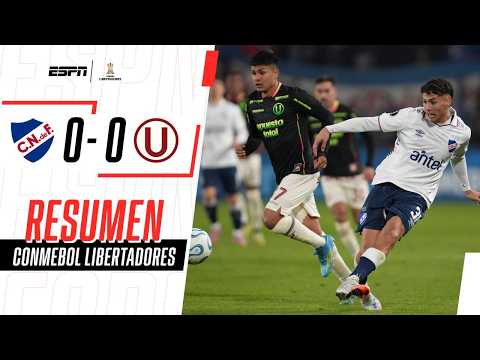
The scheduling of Universitario vs. Nacional on May 20, 2026, serves as a primary case study for regional broadcasting strategies. This fixture represents more than a competitive event; it is a high-value asset for rights holders navigating fragmented markets across Peru, Argentina, and Uruguay to maximize subscription revenue through consolidated digital platforms.
Media Rights Integration and the Anti-Piracy Mandate
The broadcasting landscape for 2026 reflects a concerted effort by CONMEBOL to secure intellectual property via exclusive streaming integration. The designation of ESPN and Disney Plus as primary channels underscores an industry-wide transition toward the ‘Premium’ tier model. By funneling viewers toward these platforms, rights holders aim to stabilize average revenue per user (ARPU) amidst a volatile economic climate.
Furthermore, the aggressive condemnation of unauthorized platforms like Fútbol Libre TV indicates a heightened sensitivity to digital piracy. In Peru, a dual-track distribution model—utilizing both legacy cable (ESPN) and digital streaming (Disney Plus)—attempts to capture both traditional audiences and the growing demographic of cord-cutters, ensuring brand robustness despite shifting consumption habits.
Sporting Cristal: Strategic Reallocation of Competitive Capital
Sporting Cristal’s decision to prioritize continental play over the Liga 1 Apertura represents a calculated institutional pivot. Having lost mathematical viability in the domestic race, management led by Zé Ricardo has reallocated resources toward international survival. This shift is a financial imperative; advancing to the knockout stages significantly enhances sponsorship valuations and player market values compared to domestic accolades.
The team’s irregular campaign—marked by home victories against Cerro Porteño but losses to Palmeiras—highlights the volatility of Group F. Currently in third place with six points, Cristal faces a position of competitive dependency. Their fate relies on securing a result against Junior de Barranquilla while hoping Palmeiras acts as a kingmaker against Cerro Porteño. This narrow margin for error demands tactical perfection in the closing stages of the group phase.
The Sudamericana Safety Net and Institutional Implications
While the primary objective remains the Libertadores, the third-place position offers a secondary pathway via the Copa Sudamericana repechaje. This structural feature acts as a financial buffer, ensuring clubs remain engaged in international competition. However, the transition to the Sudamericana is a regression in prestige and revenue, serving as a fallback rather than a strategic goal.
Ultimately, the performance of Universitario and Sporting Cristal serves as a barometer for the structural health of Peruvian football. Success in these high-stakes fixtures validates investments in foreign coaching expertise and provides the fiscal stability required to bridge the performance gap with the continent’s traditional powerhouses.