Technical Resurgence and Ball-Striking Metrics
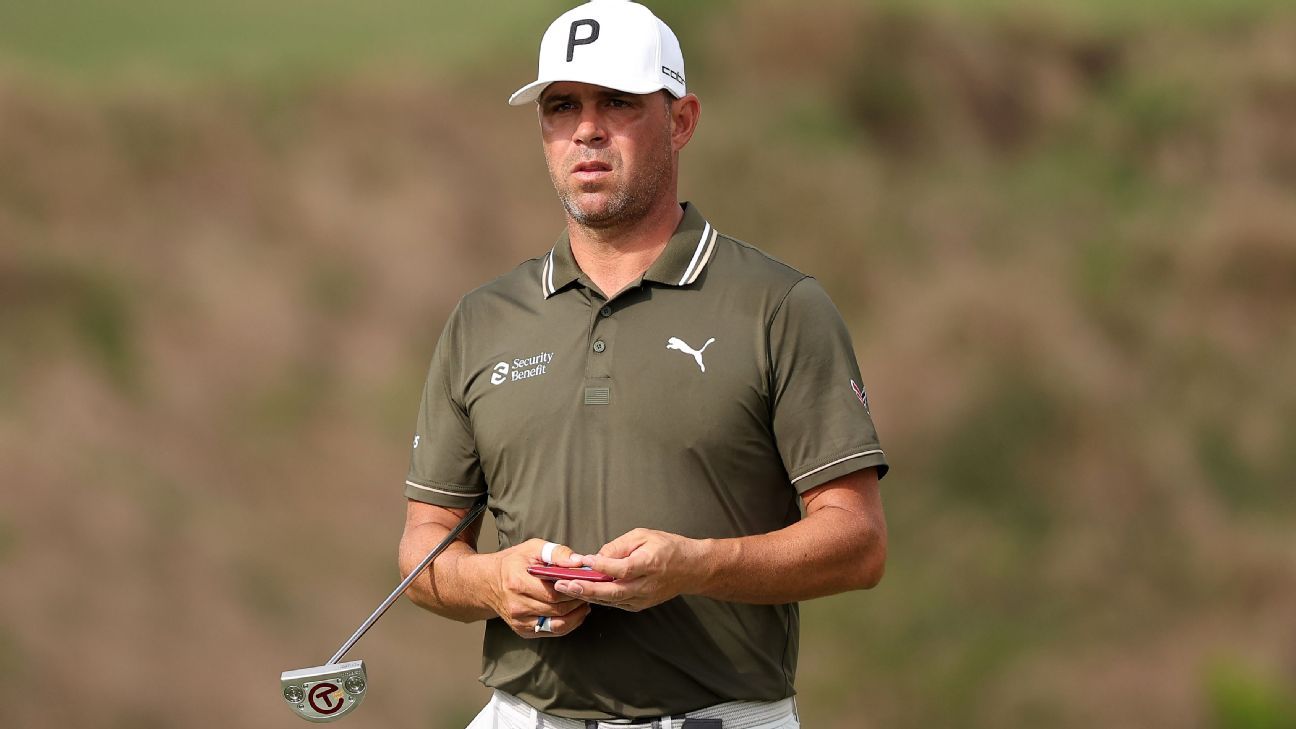
Gary Woodland’s 54-hole lead at the 2026 Texas Children’s Houston Open represents a significant statistical pivot. By carding a 5-under 65 in the third round, Woodland has mitigated the volatility that characterized his post-2023 recovery period. His current positioning—a one-shot advantage—marks his first solo lead entering a final round since his 2019 U.S. Open victory, highlighting a restoration of the elite ball-striking metrics required to contend at Memorial Park’s demanding layout.
The operational efficiency of Woodland’s game is underscored by his ability to maintain high swing speeds and precision despite the physiological hurdles of previous neurological interventions. This performance challenges conventional recovery timelines, suggesting that his technical floor has stabilized. While his 2023 brain surgery and subsequent PTSD diagnosis introduced significant cognitive burdens, his current shot-making indicates a successful recalibration of his competitive equilibrium.
The Duel: Veteran Stability vs. Emerging Ceiling
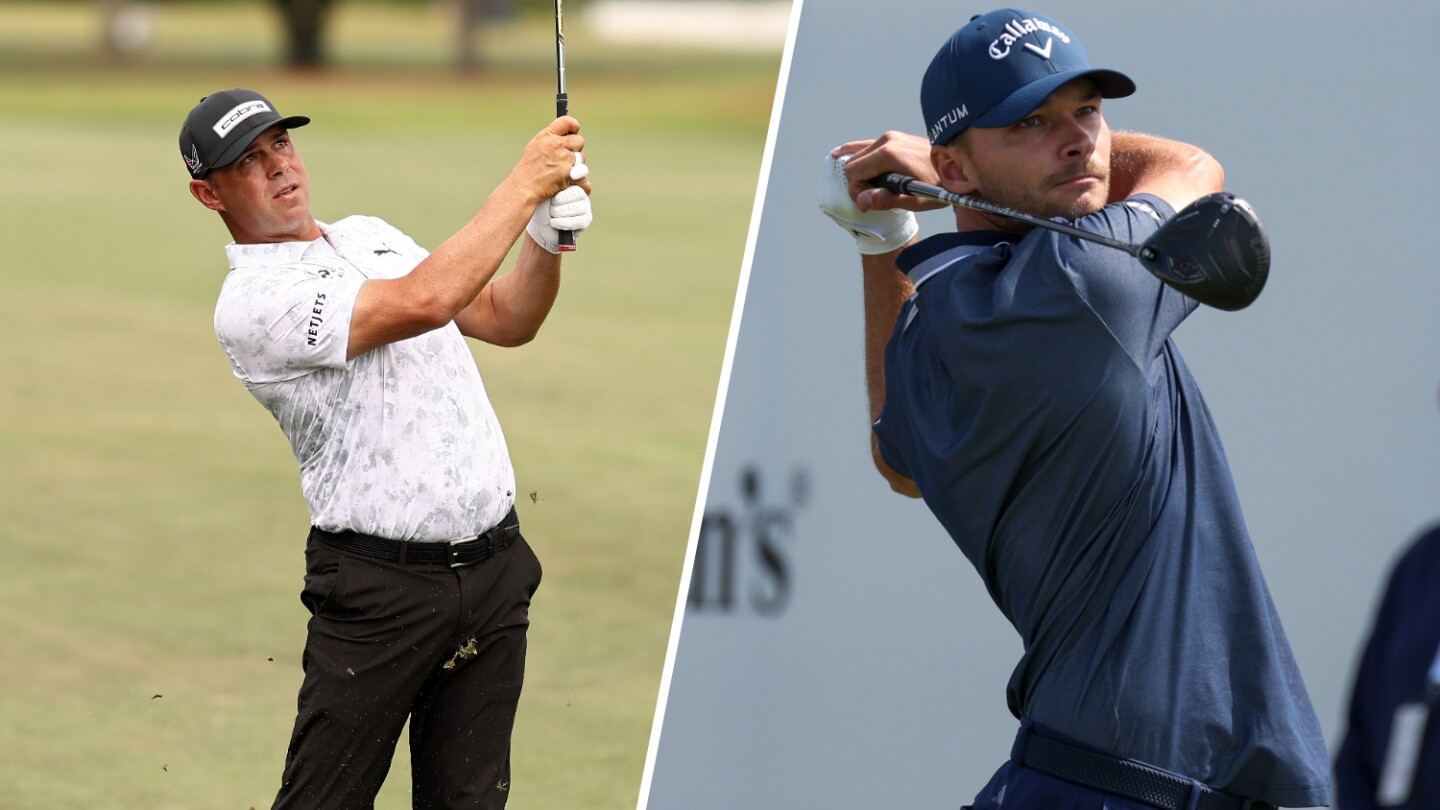
The leaderboard configuration isolates Woodland and Nicolai Højgaard from the broader field, with a five-shot cushion separating the top two from their nearest pursuers. Højgaard’s third-round 63 demonstrates a scoring ceiling that poses a direct threat to Woodland’s veteran stability. This dynamic shifts the final round’s strategic burden; Woodland must defend a narrow margin against an aggressive challenger seeking to secure a historic milestone as the first Danish winner on the PGA Tour.
Psychologically, Woodland’s transparency regarding his mental health has served as a performance catalyst. By publicly addressing the pressures of PTSD during THE PLAYERS Championship, he appears to have offloaded the cognitive friction that previously hindered his decision-making. This shift is evident in his course management at Memorial Park, where he has successfully navigated high-risk sectors—notably the closing stretch—with technical composure.
Institutional Stakes and Field Dynamics
The failure of several high-profile players to make the cut, including Brooks Koepka, emphasizes the rigorous standards of the current PGA Tour schedule. Koepka’s struggle highlights the lack of margin for error at Memorial Park, a course that rewards consistent precision over raw power. Conversely, defending champion Min Woo Lee remains a factor in the final grouping, though a six-shot deficit necessitates a historic scoring surge to threaten the lead.
For the PGA Tour, Woodland’s narrative provides a powerful case study in athlete wellness and career longevity. A victory would not only secure his competitive status for the coming seasons but also validate the institutional support systems designed to assist players through systemic health crises. As the final round commences, the focus remains on whether Woodland can convert this 54-hole lead into a definitive career second act.