
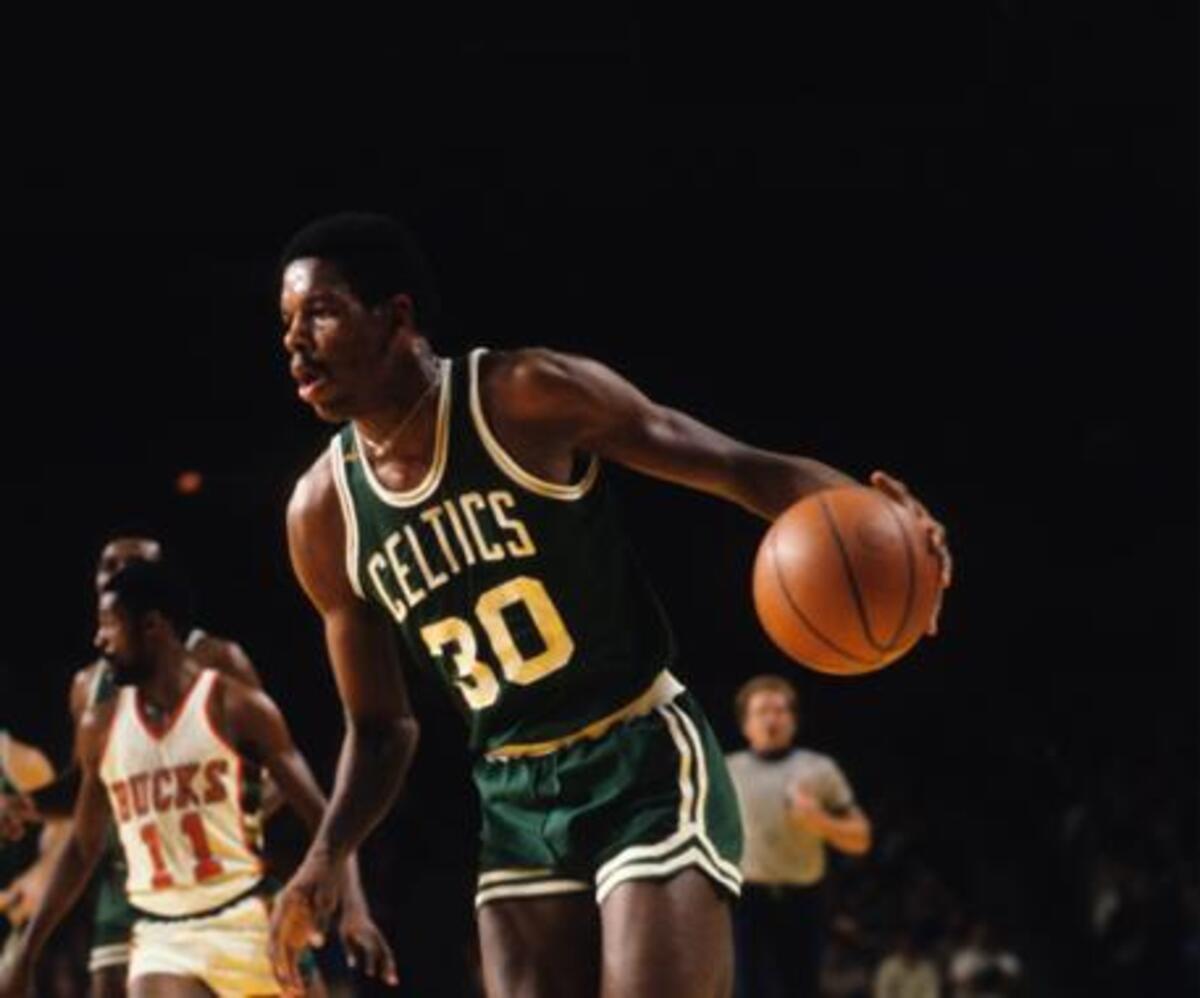
The early discourse surrounding Cooper Flagg’s potential NBA trajectory is marked by significant comparisons to Celtics icon Larry Bird. Cedric Maxwell, a former NBA Finals MVP with firsthand knowledge of Bird’s era, has drawn parallels between Flagg and the legendary forward. Maxwell’s assessment, made at the TD Garden, positions Flagg as a prospect expected to significantly impact the game, echoing Bird’s multifaceted influence.
Maxwell specifically pointed to Flagg’s proficiency in shooting, playmaking, and defensive contributions, particularly shot-blocking, as reminiscent of Bird’s all-around game. This comparison gains narrative weight from Flagg’s own admitted practice of studying 1980s Celtics game footage, a period defined by Bird’s leadership and the team’s dynasty. This historical connection suggests an inheritor of a particular basketball ethos.
The influence of the 1980s Celtics extended to Flagg’s upbringing, with his parents, Kelly and Ralph Flagg, previously articulating how the team-first mentality and strategic play of that era informed their coaching philosophies. This familial and historical context deepens the resonance of the Bird comparison, suggesting a potential continuation of a specific approach to the game.
For Flagg, these comparisons, while flattering, establish a high benchmark for his professional career. The strategic advantage for teams considering Flagg in the NBA draft or for endorsement deals lies in this perceived link to an iconic, universally respected figure. This narrative fuels market appeal and potential brand building, leveraging nostalgia and the promise of a generational talent.
The NBA as a league benefits from such compelling narratives, continuously seeking transcendent talents to drive viewership. A prospect whose game is explicitly linked to a revered historical figure offers a ready-made storyline that transcends typical rookie hype, promising increased media attention, fan engagement, and commercial opportunities.
Competitively, teams acquiring Flagg could see a significant uplift in franchise value and on-court performance. His ability to facilitate, score, and defend at a high level, as highlighted by Maxwell, are hallmarks of a player capable of elevating team dynamics. This versatility makes him a highly coveted prospect, intensifying competition among franchises.
The financial implications for Flagg are substantial. Early comparisons to a player of Bird’s stature can lead to more lucrative endorsement deals and a higher earning potential, amplified by the narrative of a player embodying a beloved past era while forging a modern path.
However, the immense pressure accompanying these comparisons presents a significant risk for Flagg. Meeting the legacy of Larry Bird is an extraordinary challenge, and any perceived deviation could invite undue criticism. Sustained excellence will be paramount for him to fulfill the potential suggested by these early accolades.
The Celtics franchise, with its storied history and dedicated fanbase, may indirectly benefit. A player drawing comparisons to their legends can reignite fan interest and pride, tapping into established brand equity and potentially attracting new fans intrigued by historical echoes and future promise.
Culturally, narratives of legacy and succession in sports are powerful tools for fan engagement. Maxwell’s comparison isn’t merely about skill; it contributes to the ongoing conversation about greatness and its intergenerational transmission.
Operationally, Flagg’s versatility could reduce the need for specialized role players, enabling more fluid offensive and defensive schemes and streamlining coaching strategies and team chemistry.
Flagg’s long-term performance hinges on his ability to integrate into an NBA system and adapt to faster play, complex strategies, and increased physical demands. Continuous learning and adaptation will be key.
Media amplification, as seen with reports from outlets like the Bangor Daily News, shapes public perception and builds anticipation, creating a feedback loop that influences fan expectations and player pressure.
Capital movement within the sports industry, particularly concerning player valuations, is indirectly affected. High-profile prospects with compelling narratives can increase the perceived value of draft picks and franchises, influencing investment decisions.
Cooper Flagg’s career trajectory will be closely observed to see if his multifaceted impact evolves into a lasting legacy or remains historical reference. His journey exemplifies the convergence of athletic talent, historical context, and media narratives.
Franchise decision-making will balance Flagg’s potential rewards against the risks of high expectations. His ability to translate collegiate success and praised attributes into consistent NBA production will be the ultimate determinant of his impact.
Marketing implications are significant, as brands seek authentic athletes with compelling backstories. Flagg’s narrative offers a powerful marketing angle, potentially driving considerable commercial revenue.
Ultimately, the Bird comparison is both a powerful endorsement and a substantial challenge, highlighting Flagg’s potential as a transformative player. The coming seasons will reveal if this early narrative translates into sustained elite performance.
The NBA’s institutional framework, emphasizing star power and compelling narratives, is well-positioned to capitalize on Flagg’s emergence, leveraging his story for global appeal.
The competitive landscape will evolve based on how effectively teams integrate versatile players like Flagg, potentially forcing tactical adjustments from opponents.
Capital investment in player development and scouting is validated by the emergence of prospects like Flagg, underscoring the resources dedicated to talent acquisition.
The cultural resonance of Flagg’s potential, linked to an iconic figure, ensures sustained media and fan interest, a valuable asset in sports entertainment.
Integrating a versatile player like Flagg presents an operational challenge for teams, requiring astute coaching and management to maximize his talents.
The financial upside for Flagg and associated entities is considerable, driven by his marketability and potential legacy connections.
Identifying and nurturing players with Flagg’s unique skill blend is strategically important for long-term team success.
His potential rise to stardom will inspire a new generation of basketball enthusiasts, impacting the sport’s cultural landscape.
Flagg is positioned as a significant figure in the NBA’s ongoing transition to a new generation of stars.
The institutional role of former players like Maxwell in shaping narratives and providing expert commentary is crucial for building anticipation for emerging talent.
A versatile player like Flagg can redefine team strategies and compel opponents to adapt, demonstrating operational impact.
The financial ramifications of a player with Flagg’s potential extend beyond personal earnings to the broader NBA economic ecosystem.
The strategic value of a player influencing both ends of the court is paramount in the modern, analytics-driven game.
The cultural narrative of a player carrying the torch of a legendary era offers enduring appeal and deepens fan connection.
The competitive advantage gained by a team that cultivates Flagg’s talent could be substantial and long-lasting.
Player development frameworks within NBA franchises will be tested and potentially refined by integrating talents like Flagg.
Coaches will face operational considerations in optimally utilizing Flagg’s multifaceted abilities to achieve team objectives.
Financial projections for Flagg’s career are likely to be among the highest for his draft class, reflecting perceived value.
Identifying and nurturing players with Flagg’s unique blend of skills is a cornerstone of sustained team success.
His potential stardom will undoubtedly inspire a new generation of basketball enthusiasts.
Players like Flagg, representing the future of the game, are central to the NBA’s competitive environment.
Institutional commitment to player welfare and development is crucial for guiding Flagg through early career pressures.
Operational success in his professional transition depends on the support systems surrounding him.
The financial landscape of professional sports is increasingly driven by star power, with Flagg poised to become a significant economic force.
A player consistently impacting the game across multiple categories offers strategic advantage, a primary goal for contending teams.
The cultural narrative of a player embodying past greats offers a compelling storyline resonating deeply with fans.
The competitive pressure will be immense, but Flagg’s reported skillset suggests readiness.
The institutional legacy of the Celtics and the enduring appeal of Larry Bird provide a unique and powerful context for Flagg’s career.

Photo by Alexas_Fotos on Pixabay.