Institutional Shift: The Addition of Ski Mountaineering to the Winter Games
The structure of the Winter Olympic program is undergoing a significant alteration with the confirmed inclusion of eight new events, headlined by the addition of ski mountaineering, referred to colloquially as ‘skimo.’
This addition is notable within the context of established international sporting federations, as it represents the introduction of the first entirely new sport to the Winter Games in several decades. The decision reflects an ongoing strategic imperative within the Olympic movement to refresh the program portfolio, ensuring relevance and attracting new demographic engagement amidst evolving athletic pursuits.
Understanding the New Discipline: Ski Mountaineering
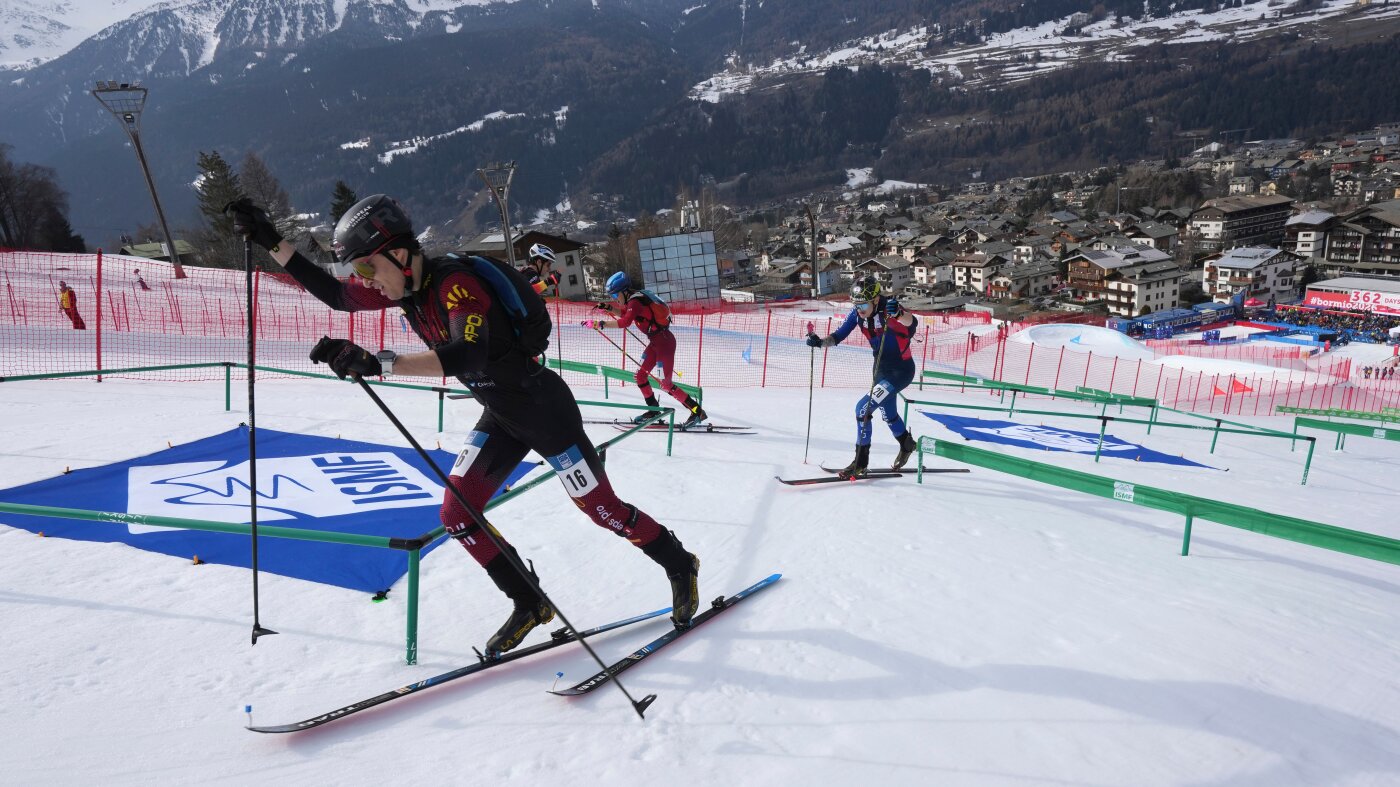
Ski mountaineering is defined by a composite athletic requirement, integrating distinct phases of ascent and descent, demanding specialized conditioning and technical proficiency from its participants. The methodology of competition involves specific movement patterns necessary to traverse mountainous terrain efficiently.
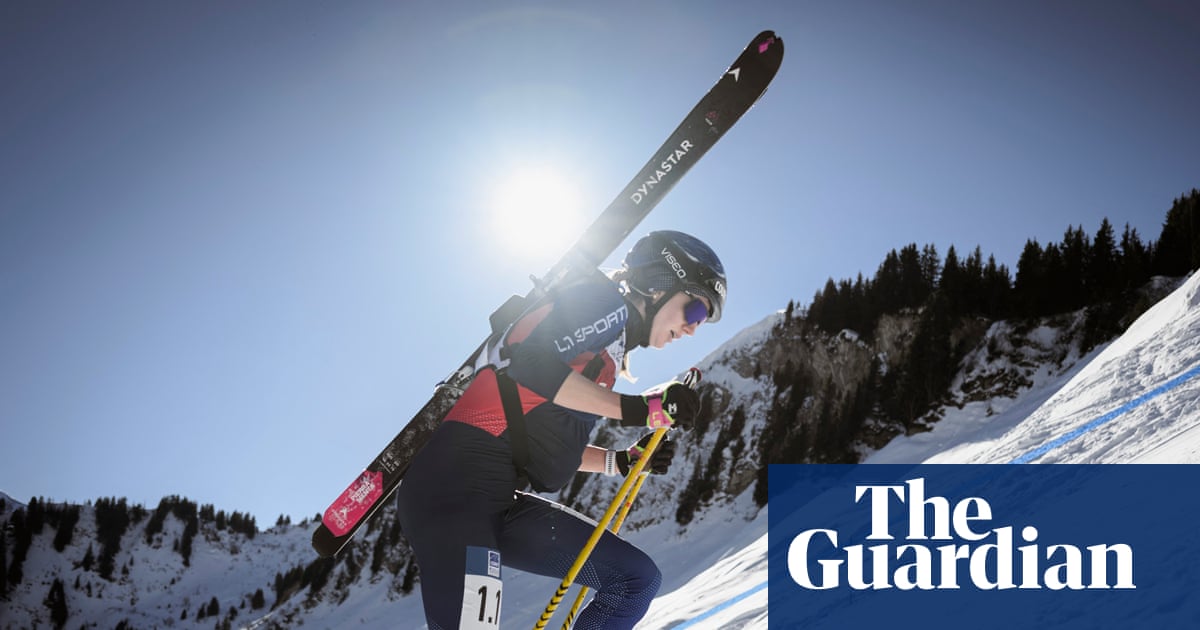
The competitive format inherently involves ‘skinning,’ a technique where specialized adhesive strips (skins) are temporarily affixed to the bases of the skis to provide necessary traction for upward travel on snow surfaces. This contrasts sharply with traditional downhill disciplines, which focus exclusively on timed descent.
Furthermore, the discipline incorporates ‘boot-packing,’ indicating segments of the course where the athletes dismount and carry their equipment while scrambling up exceptionally steep or technically challenging gradients where ski ascent is infeasible. This multifaceted requirement underscores the all-terrain, endurance nature of the sport.
The Strategic Rationale for Program Expansion
The strategic placement of a new sport within the Olympic framework is a complex administrative and governance process. Governing bodies responsible for the Games continually review their program offerings to balance historical continuity with contemporary sporting trends and environmental considerations.
The inclusion of a sport like ski mountaineering, which emphasizes raw endurance and variable terrain navigation rather than solely engineered courses, signals a recognition of the broader spectrum of winter athletic capabilities. This expansion is critical for maintaining the structural integrity and competitive diversity expected of a global multi-sport event.
The process of integrating a new sport requires alignment across multiple administrative layers, including the International Olympic Committee (IOC) and the relevant International Federation governing ski mountaineering. This ensures adherence to established technical standards, anti-doping protocols, and venue requirements applicable to all recognized Olympic sports.
Implications for Existing Winter Sports Infrastructure
The introduction of any new discipline necessitates an evaluation of existing venue infrastructure and logistical capacity. While established sports rely on decades of precedent regarding snow preparation, athlete accommodation, and broadcast logistics, a new sport introduces novel logistical requirements.
Ski mountaineering, by its nature, demands access to specific high-altitude, variable topography, which can present unique challenges for event staging compared to downhill or centralized arena sports. The operational planning must account for the dynamic nature of natural mountain environments throughout the duration of the competition period.
This administrative integration is not merely about scheduling events; it involves establishing consistent frameworks for judging, accreditation, and media access, all of which must be benchmarked against the operational procedures governing established sports like luge or figure skating, ensuring parity in execution across the program.
The Context of Multi-Discipline Athletics
The core appeal of ski mountaineering within an Olympic context lies in its synthesis of multiple athletic competencies—endurance running, specialized climbing technique, and technical alpine skiing ability. This blending positions it within a broader institutional trend favoring multi-discipline athletic challenges, which often garner significant spectator interest.
When viewed against the established repertoire of the Winter Games, which features distinct disciplines categorized by gravity-assisted speed (e.g., bobsled), technical precision (e.g., alpine skiing gates), and routine execution (e.g., snowboarding), ski mountaineering occupies a unique niche emphasizing sustained, self-powered vertical transit.
The inclusion serves as a deliberate programmatic statement regarding the definition of elite winter athleticism, broadening the criteria beyond purely downhill performance or controlled ice surface mastery. This strategic broadening aims to reinforce the Games’ mandate to represent the pinnacle of human physical achievement across diverse winter environments.
Ensuring Programmatic Stability and Evolution
The mechanism that allows for the addition of new sports and events is fundamentally linked to the long-term viability and perceived prestige of the Winter Olympics. The cycle of introduction and periodic review is designed to manage the size and complexity of the overall competition schedule while keeping the program fresh for international broadcasters and commercial partners.
The debut of ski mountaineering sets a precedent for how emerging sports seeking Olympic status must navigate the rigorous criteria established by international sporting bodies. These criteria typically evaluate factors such as global participation reach, adherence to administrative best practices, and sustainability of the sport’s competitive structure.
The successful integration of this relatively new discipline into a highly structured, established event framework underscores the administrative capacity of the organizing bodies to adapt major international competitions while maintaining strict adherence to established regulatory compliance standards governing fair play and athlete welfare across all included sports.