
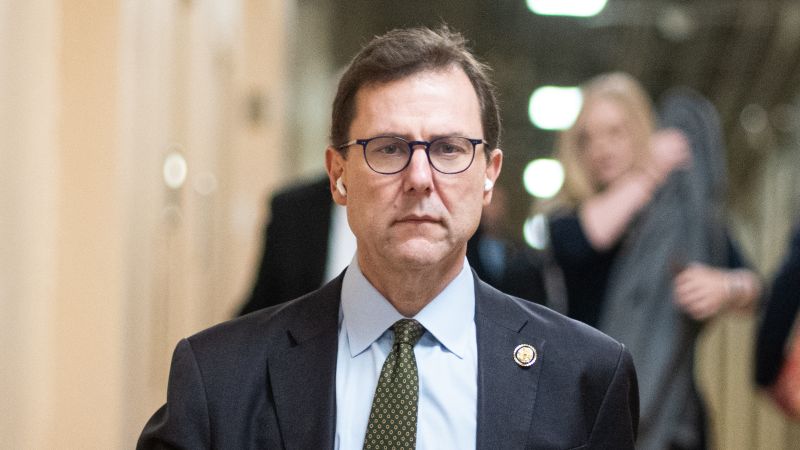
The Mechanics of Legislative Continuity
The prolonged absence of Representative Tom Kean Jr. from the U.S. House of Representatives has surfaced critical vulnerabilities regarding the operational stability of the legislative branch. When a legislator is incapacitated for an extended duration, the resulting vacuum disrupts committee assignments, floor voting procedures, and the essential quorum requirements necessary for formal governance. In a body of 435 members, the removal of a single vote creates immediate administrative and political bottlenecks.
While the Congressman’s office has prioritized limited disclosure, comments from former New Jersey Governor Tom Kean Sr.—confirming his son is receiving care for a serious, temporary medical condition—provide a rare glimpse into the conflict between personal health privacy and the public’s mandate for legislative representation.
Structural Vulnerabilities in House Governance
The contemporary U.S. House operates on razor-thin majorities, making the absence of a single member a significant structural risk to party leadership. Each floor vote acts as a high-stakes calculus; consequently, an unexpected absence is not merely an individual personnel issue but a destabilizing event that threatens strategic policy initiatives. Congressional leadership often finds itself navigating the friction between internal party discipline and the human reality of a member’s health, as there are currently no standardized institutional protocols to mitigate the impact of prolonged, non-resignation-based absences.
The Intersection of Privacy and Public Accountability
The Kean situation highlights an evolving challenge regarding transparency in modern governance. Elected officials operate under a unique standard where the right to medical privacy collides with the constituent interest in knowing if their representative can fulfill the duties of office. When leadership withholds specific information, the resulting information asymmetry invites speculation, potentially damaging the representative’s political standing and fueling concerns about the stability of the office. This creates a recurring trade-off between individual privacy rights and the institutional imperative for operational clarity.
Operational Impacts on Legislative Committees
The legislative process is heavily decentralized, relying on committees for drafting, oversight, and policy refinement. Member absences create a cascading effect: when a committee seat remains effectively vacant, the ability to reach a consensus—or even achieve a quorum for markups—is jeopardized. These delays ripple across the broader House agenda, illustrating a dependency on full-member participation that makes the legislative apparatus susceptible to individual crises.
Market and Political Implications of Uncertainty
Beyond the Capitol, the absence of a legislator generates climate-level uncertainty for interest groups and constituents reliant on specific policy outcomes. For party whips and leadership, an unplanned absence necessitates significant reallocation of political capital and resource monitoring. This adds a substantial administrative burden to the legislative environment, demonstrating how a localized crisis can negatively impact the overall throughput and efficiency of the House.
Institutional Resilience and Future Precedents
The case of Representative Kean Jr. underscores an existing gap in House rules, which lack robust mechanisms for navigating medically-necessitated, long-term absences outside of the established framework for vacancies. As the institution matures, the precedents established during this period will likely influence future protocols. The ultimate test for the House lies in balancing respect for personal privacy with the need for a resilient, transparent, and functional legislative body.

Photo by WikiImages on Pixabay.