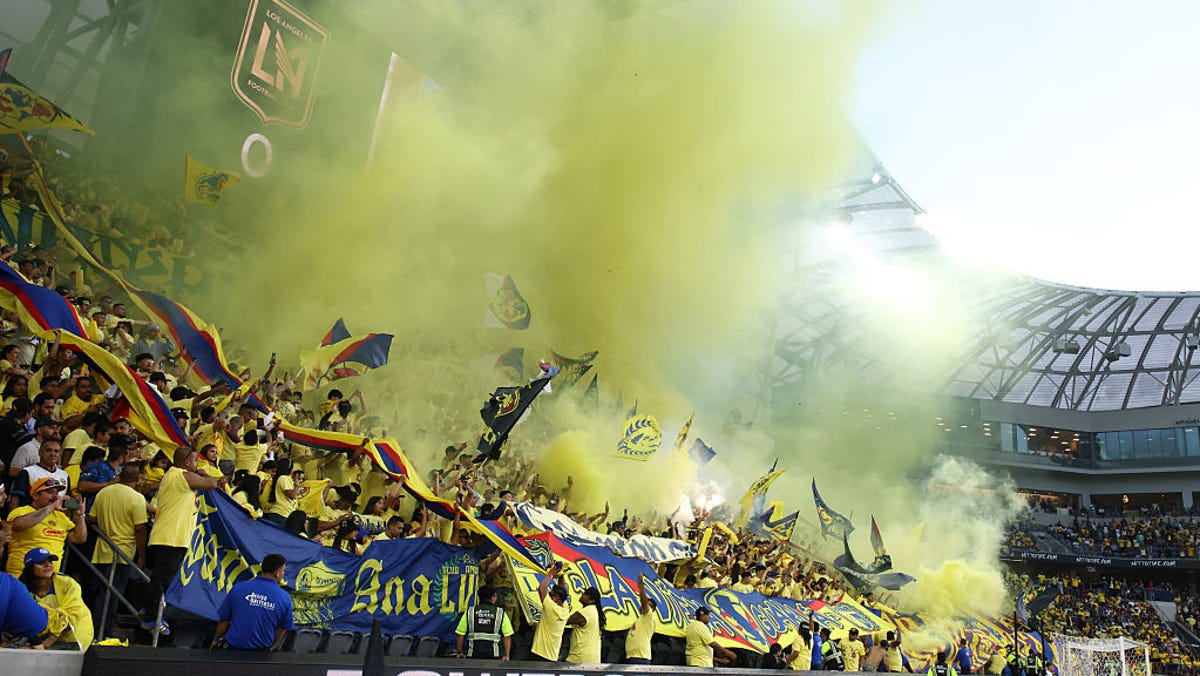
Club América is re-engaging in continental competition within the framework of the CONCACAF Champions Cup. The club is scheduled to face C.D. Olimpia in the second leg of a fixture, with the immediate objective being to secure advancement to the subsequent round of the tournament.
The Context of Continental Ambition
In advance of this critical return match, the team’s Brazilian head coach, André Jardine, addressed the media, offering commentary on the broader strategic importance of this specific competition. Jardine explicitly affirmed that the ambition of Club América centers on achieving victory in the CONCACAF tournament.
Crucially, the coaching staff member characterized the successful acquisition of the CONCACAF title as an outstanding obligation or a commitment that the institution feels it still needs to fulfill. This framing suggests that success in this regional championship is viewed not merely as an optional achievement, but as an expected benchmark within the club’s institutional performance metrics for international competition.
Structural Importance of the CONCACAF Title
For major clubs operating within the Confederation of North, Central America and Caribbean Association Football (CONCACAF), winning the Champions Cup carries significant structural weight beyond immediate silverware. This tournament serves as the primary gateway for qualification into the expanded FIFA Club World Cup format, positioning it as a critical node in the global football governance structure.
The club’s statement regarding an existing ‘debt’ indicates an alignment between external expectation—often amplified by media narratives and supporter base expectations—and internal strategic objectives. In professional sports organizations, the mandate for continental dominance often supersedes domestic league performance in terms of long-term strategic importance, due to the visibility and associated commercial leverage provided by participation in global tournaments.
Administrative Positioning and Performance Expectations
The institutional pressure on a high-profile entity like Club América is managed through a hierarchical structure where coaching appointments are intrinsically linked to achieving specified competitive benchmarks. When a technical director acknowledges a deficit or outstanding commitment, it implicitly references the internal performance indicators established by the club’s administrative and sporting directors.
This acknowledgment places the fixture against Olimpia—and the tournament trajectory as a whole—under heightened scrutiny. Success in navigating the knockout phases is essential for validating the current administrative cycle and maintaining the expected competitive trajectory required of a leading organization within the Mexican football league system and the broader CONCACAF ecosystem.
Media Landscape and Viewer Access
The operational necessity of these high-stakes matches is underscored by the logistical arrangements surrounding broadcasting and public access. Specific details regarding the time of the fixture and the authorized viewing channels in both Mexico and the United States were provided to manage the extensive transnational audience base associated with the club.
The dissemination of viewing information is a necessary administrative function that confirms the commercial and cultural significance of the event. These details facilitate the realization of broadcast rights value, which forms a core component of the operating revenue structure for participating clubs, thereby linking on-field performance directly to financial viability.
The Role of the Technical Director in Narrative Control
The statements delivered by André Jardine prior to the second leg serve a dual purpose: motivating the squad and managing the external narrative surrounding the club’s performance expectations. By framing the objective as fulfilling a ‘debt,’ the coach validates the seriousness of the pursuit while simultaneously absorbing the pressure that might otherwise accumulate solely onto the players.
This communication strategy is standard practice in high-stakes professional environments where institutional reputation is constantly being evaluated. It establishes a baseline expectation for the organization’s standing within the regional football hierarchy, emphasizing that mere participation is insufficient; actual competitive achievement is the defined goal.
Implications for Regional Sporting Hierarchy
The pursuit of the CONCACAF Champions Cup is fundamentally about establishing or reaffirming dominance within the confederation’s competitive structure. For clubs in Mexico, securing this title is often a prerequisite for being viewed as the leading sporting entity in the region, which translates into enhanced recruitment leverage and greater international marketability.
The commitment articulated by Jardine thus transcends the immediate result against Olimpia. It is an affirmation of the club’s enduring institutional policy to compete for and secure the highest available regional honor, thereby ensuring its continued relevance in the distribution of continental prestige and resources.