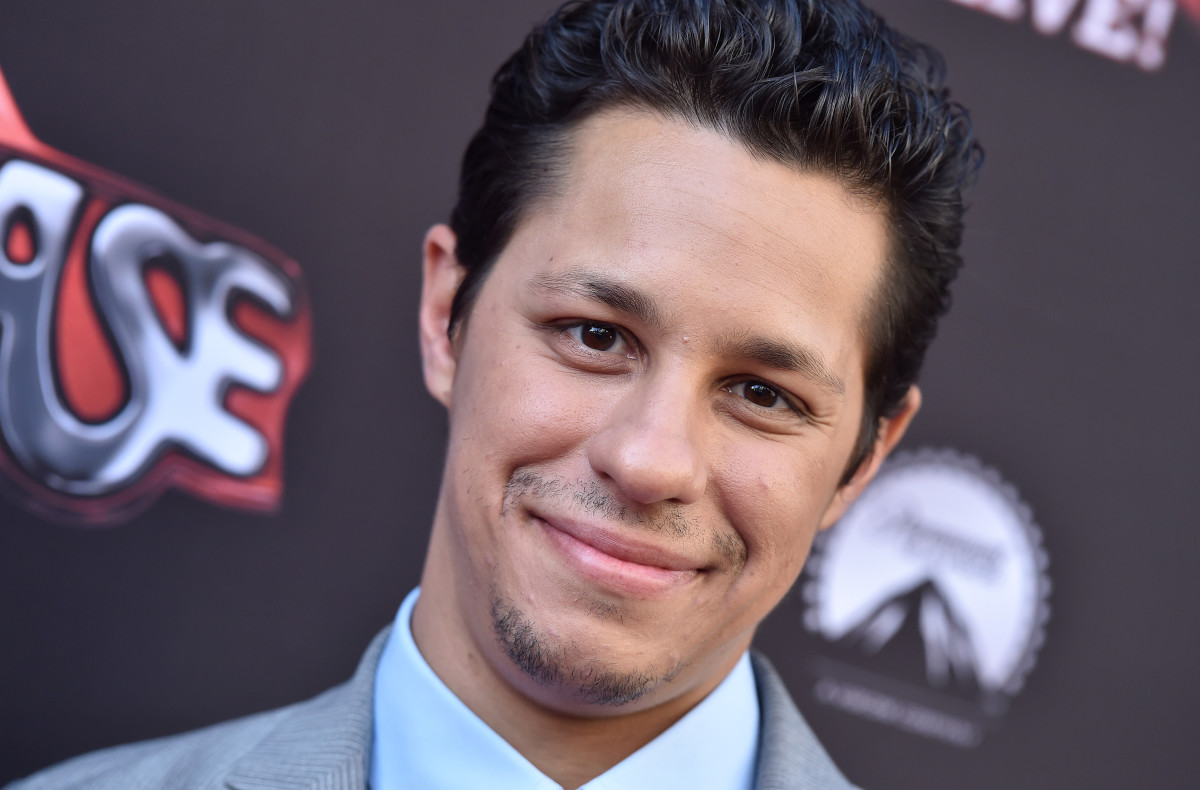
CBS Confirms Actor’s Dismissal Following Reopened Investigation
CBS has confirmed its decision to uphold the termination of actor David Del Rio from the series ‘Matlock.’ This stance follows a reopened internal investigation into allegations made by co-star Leah Lewis. Del Rio, who portrayed lawyer Billy Martinez, was removed from the show during the second season’s production.
The network’s decision to maintain Del Rio’s dismissal comes after he reportedly presented new evidence challenging the claims. This prompted CBS to re-examine initial findings, ultimately reinforcing their original judgment. Crucially, no criminal charges have been filed, framing the network’s disciplinary actions within civil and employment law contexts.
Strategic and Financial Implications of Network’s Decision
CBS’s adherence to its initial decision emphasizes reputational risk mitigation and the enforcement of workplace conduct policies. The substantial financial implications of recasting or writing out a character mid-production—involving reshoots, script adjustments, and potential delays—were deemed a necessary cost to uphold internal standards and protect brand image.
The strategic imperative for CBS to decisively address such allegations, especially in a high-profile production, is to preempt industry scrutiny and reinforce its commitment to a safe working environment. This approach aims to safeguard future talent acquisition and retention, alongside maintaining positive relationships with advertisers and the public, who increasingly value corporate responsibility.
Stakeholder Exposure and Risk Mitigation
Leah Lewis, as the accuser, benefits from the network’s validation, receiving institutional support and potentially reducing further exposure. Her continued presence on the show, indicated by its renewal for a third season, suggests a successful navigation of the immediate crisis from her perspective.
David Del Rio faces significant career repercussions, with his dismissal impacting his professional standing and future employment. His stated intention to pursue “all legal options” signals a strategy to contest the network’s decision, likely through employment law channels, seeking damages or a cleared record.
Operational Adjustments and Narrative Continuity
The operational challenge for the ‘Matlock’ production team involved seamlessly integrating Billy Martinez’s exit. Series creator Jennie Snyder Urman previously highlighted the importance of ensuring the departure aligned with the character’s arc and the firm’s storylines, underscoring creative efforts to maintain narrative integrity amid personnel changes.
The introduction of a new character in February 2026, following a production hiatus after the allegations surfaced, demonstrates the production’s adaptability. This strategic pivot allowed the series to resume with a modified cast, minimizing disruption and signaling operational resilience.
Industry Precedent and Corporate Governance
CBS’s handling of the ‘Matlock’ situation aligns with a broader industry trend toward increased vigilance and stricter enforcement of conduct policies following high-profile misconduct cases. Networks and studios face heightened pressure to demonstrate robust mechanisms for addressing workplace misconduct allegations.
The reopened investigation, prompted by Del Rio’s new evidence, underscores the complexities of internal disciplinary processes. While the outcome reinforced the initial decision, the willingness to re-evaluate demonstrates procedural diligence, ultimately supporting the original disciplinary action and the network’s liability management strategy.
Legal and Reputational Capital at Stake
The absence of criminal charges simplifies the immediate legal landscape for CBS, primarily confining the matter to employment law and contractual disputes. However, reputational capital invested in ‘Matlock’ and its talent remains a significant consideration, with the network’s response balancing due process and public trust.
The ongoing legal pursuit by Del Rio’s attorney, Shawn Holley, suggests potential for protracted legal battles beyond the immediate employment dispute, which could draw sustained public attention to the allegations and the network’s handling of the situation.
Long-Term Strategic Positioning in Media Landscape
CBS’s decisive action in the ‘Matlock’ case reinforces its strategic positioning as an entity prioritizing a zero-tolerance approach to serious misconduct allegations. This stance is crucial for maintaining appeal to diverse talent and securing its place within a media ecosystem increasingly scrutinized for ethical and social responsibilities.
The successful renewal of ‘Matlock’ for a third season, with Leah Lewis remaining central, indicates the production’s capacity to thrive post-disruption. This resilience is a key performance indicator, demonstrating the network’s ability to manage crises and sustain creative output, thereby protecting its intellectual property investment and market share.
The Role of Legal Counsel and Evidence Presentation
The engagement of legal counsel like Shawn Holley by David Del Rio signals a strategic intent to contest findings rigorously. The presentation of “new evidence” suggests an attempt to introduce exculpatory information or challenge the credibility of initial allegations—a standard tactic in employment disputes.
However, the network’s decision to uphold the firing implies the presented evidence was deemed insufficient to overturn the established findings of the reopened investigation. This outcome underscores the critical role of evidence evaluation and the burden of proof within internal corporate investigations.
Broader Industry Impact and Future Policy Considerations
The ‘Matlock’ incident contributes to a wider discourse on workplace safety and accountability within the entertainment industry. Such cases often prompt industry-wide reviews of HR protocols, anti-harassment training, and dispute resolution mechanisms, potentially influencing future policy development.
CBS’s approach, by upholding its disciplinary decision, sets a precedent for managing similar situations. This can inform expectations regarding the consequences of alleged misconduct and the processes for addressing such claims among actors, crew members, and management.
Talent Relations and Contractual Safeguards
The situation inherently impacts talent relations, as professionals will assess CBS’s handling of such matters when considering future engagements. A perceived fair process can foster security, while a flawed one may lead to hesitancy and increased demands for contractual safeguards.
Financial implications extend to production insurance and liability coverage. Incidents involving alleged misconduct can lead to increased premiums and more stringent underwriting, reflecting the heightened risk profile in the industry.
Media Scrutiny and Public Perception Management
Media reporting on these developments underscores the intense public scrutiny entertainment industry personnel matters attract. CBS’s public statements and production continuity are part of a strategy to manage public perception and minimize long-term damage to its brand and the ‘Matlock’ franchise.
The network’s decision to not reverse the firing suggests a calculated risk assessment, balancing potential backlash from supporting the accuser against the risks of appearing lenient or disregarding new evidence—a delicate act in corporate reputation management.
The Evolving Landscape of Workplace Conduct in Entertainment
The entertainment industry continues to grapple with evolving standards of workplace conduct, influenced by movements like #MeToo and a greater societal emphasis on accountability. CBS’s actions in the ‘Matlock’ case reflect the pressures and expectations placed upon major media corporations.
The network’s commitment to its decision indicates a strategic imperative to project an image of unwavering adherence to its policies, potentially solidifying its corporate governance and demonstrating leadership in establishing professional conduct standards.
Conclusion: Navigating Risk and Maintaining Production Momentum
Ultimately, CBS’s confirmation to stand by David Del Rio’s dismissal from ‘Matlock’ underscores a strategic prioritization of risk management and policy enforcement over the complexities of reversing a disciplinary action. The network’s approach balances due process with the imperative to maintain a credible and safe production environment.
The situation highlights the significant operational, financial, and reputational considerations media companies face when addressing allegations of misconduct. The ongoing legal efforts by Del Rio’s team suggest that while the network’s internal processes have concluded, broader implications may continue to unfold, impacting industry practices and individual careers.