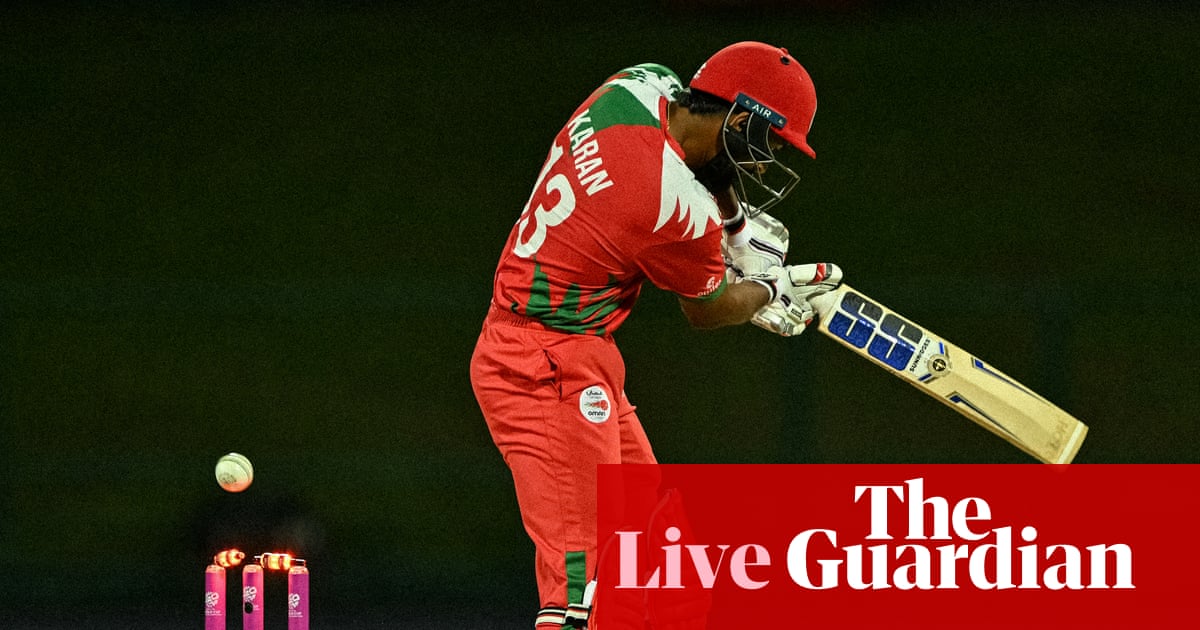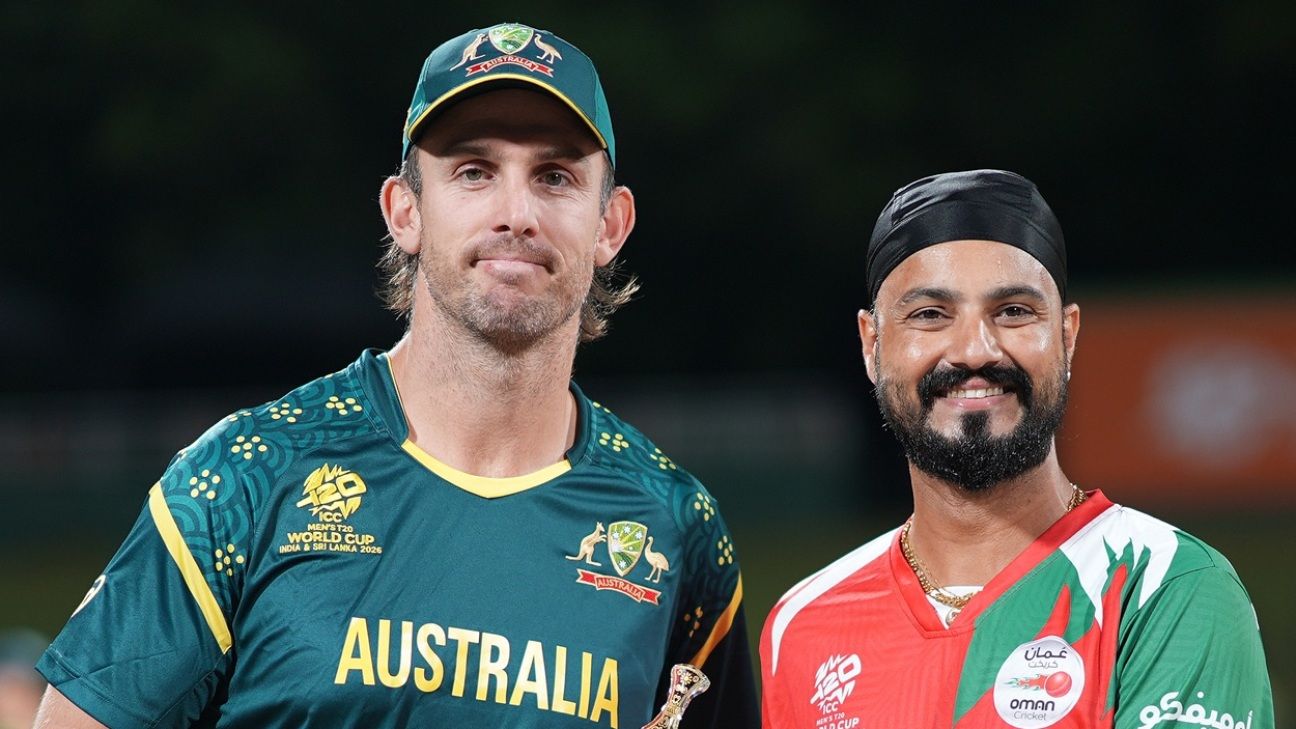
The final 2026 T20 World Cup fixture between Australia and Oman at Pallekele International Cricket Stadium transcends its dead-rubber classification. For Cricket Australia, the match serves as a high-stakes laboratory to diagnose systemic performance deficits following catastrophic losses to Zimbabwe and Sri Lanka. Captain Mitchell Marsh’s decision to bowl first reflects a tactical exploitation of evening atmospheric conditions, yet the broader narrative is one of institutional recalibration.
Selection Policy and Tactical Reconfiguration
The omission of Steven Smith represents a definitive pivot in national selection philosophy, prioritizing modern T20 technical benchmarks over historical status. By integrating Matt Renshaw for Cooper Connolly, the management has signaled an urgent need to stabilize a top order that demonstrated fragility under pressure earlier in the tournament. This personnel shift acknowledges that the squad’s initial balance was ill-suited for the specific environmental variables of the Sri Lankan venues.
Marsh’s candid admission regarding the “noise from back home” underscores the psychological and reputational pressures mounting on the Tier 1 nation. The transition from a dominant victory over Ireland to a systemic breakdown in execution indicates a failure in high-performance maintenance. The current squad climate suggests that the internal fallout of this campaign will likely trigger a comprehensive overhaul of the Australian T20 operational framework.
Oman’s Developmental Framework and Rotation
Conversely, Oman has utilized this fixture to advance a long-term developmental strategy, implementing four wholesale changes to provide exposure to their full roster. Captain Jatinder Singh’s decision to bat first, despite overhead cloud cover, was a calculated attempt to test the depth of the Australian bowling attack without the constraints of tournament progression. This approach reflects the maturity of Associate nation philosophies, where high-level human capital development is prioritized over immediate result-based outcomes.
The inclusion of fresh personnel introduced a tactical variable for Australian analysts, who faced a lack of recent data footprints. This unpredictability allowed Oman to dictate the early tempo, validating their preference for proactive engagement even against elite opposition. For Oman, the match serves as a critical benchmark for closing the technical gap between Associate and Full Member standards.
Micro-Analysis: Technical Execution in the Powerplay
Initial exchanges revealed a disparity in technical adaptability. Xavier Bartlett successfully exploited early swing to dismiss Jatinder Singh, reinforcing Australia’s reliance on traditional pace fundamentals to regain momentum. However, the subsequent counter-offensive by Hammad Mirza and Wasim Ali exposed vulnerabilities in Australia’s secondary bowling phases. Cameron Green’s final Powerplay over, punctuated by a six from Mirza, illustrated the narrow margins for error when initial movement dissipates.
Technical scrutiny of Bartlett’s spell—specifically his tendency to over-pitch while searching for swing—points to a tactical desperation to force wickets. This loss of bowling discipline under pressure has been a recurring theme in Australia’s 2026 campaign. Oman’s ability to reach 57-3 within the first seven overs demonstrates a resilient middle-order capacity to absorb and redirect elite-level pace.
Commercial Implications and Stakeholder Accountability
Australia’s premature exit generates significant downstream effects across the sport’s commercial ecosystem. The loss of a primary market for the knockout stages reduces viewership metrics and sponsorship engagement, creating a financial deficit for stakeholders. This reality intensifies the demand for accountability within the High-Performance unit, as the brand value of the national team is directly tied to tournament longevity.
For Oman, the global broadcast exposure provides vital leverage for future ICC funding and fixture negotiations. Individual performances by Mirza or Ali serve as scouting signals for the global franchise circuit, facilitating the movement of human capital into professional leagues like the BBL or IPL. This integration into the global cricket economy is a primary driver for the sustained growth of the sport in emerging regions.
Conclusion: Structural Integrity and Future Trajectory
As the group stage concludes, the Pallekele encounter remains a testament to the narrowing technical margins in international T20 cricket. While the results do not alter the standings, they dictate the strategic narrative for the upcoming Australian summer and Oman’s long-term planning. The performance review initiated by this campaign will likely focus on the squad’s inability to maintain peak physical and mental condition across varied venues. For Australia, the reflection begins immediately; for Oman, the impression left on the world stage is a milestone of developmental progress.