Tactical Continuity in the Champions League Semi-Final
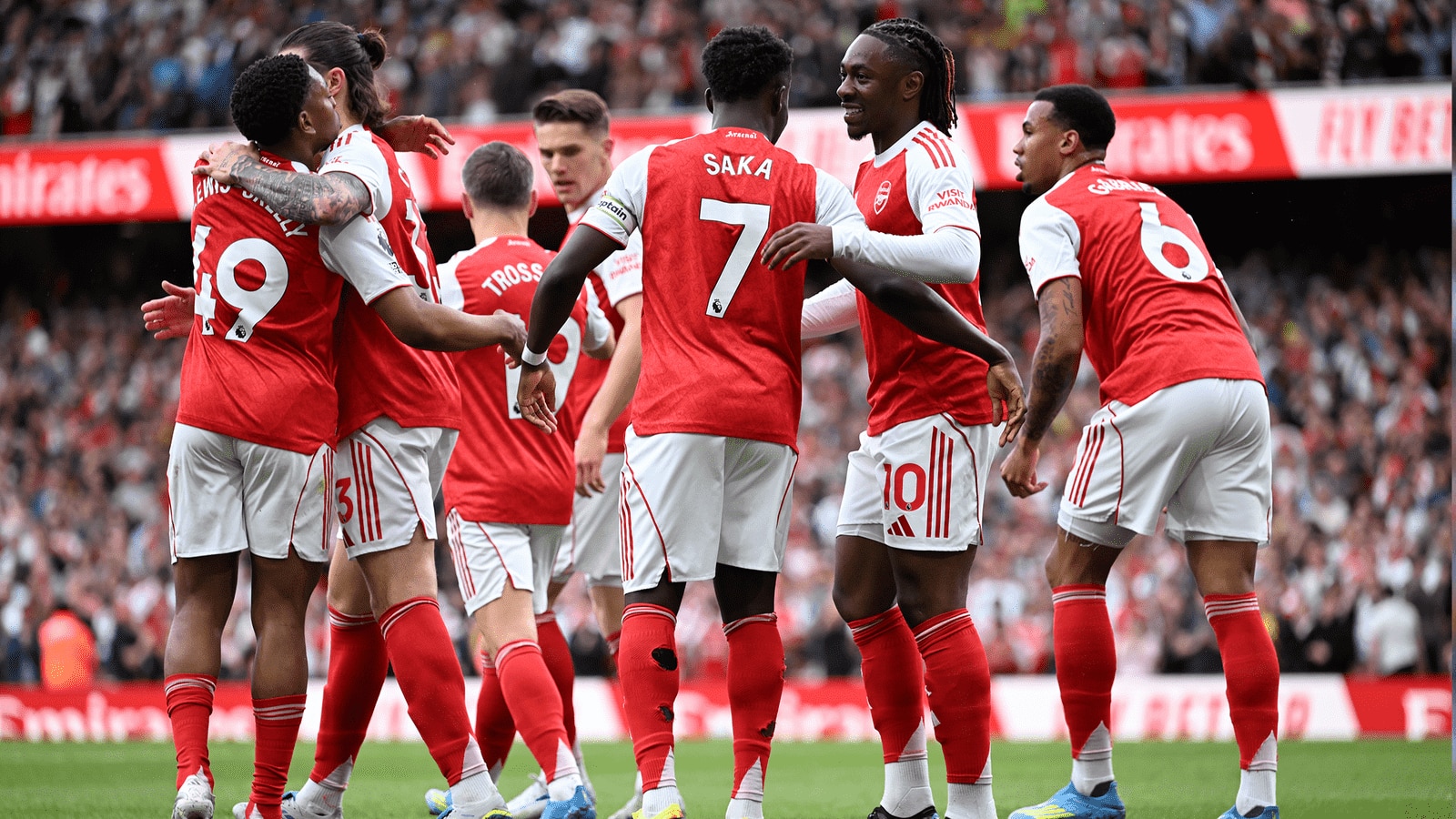
As the Arsenal-Atletico Madrid Champions League semi-final enters its decisive second leg, the narrative is defined by contrasting approaches to squad stability. Mikel Arteta has opted for an unchanged starting eleven, betting on the tactical rhythm that propelled the club to a 3-0 victory against Fulham. This decision underscores an institutional preference for cohesion during high-stakes knockout rounds, with Riccardo Calafiori and Eberechi Eze central to maintaining defensive shape and progressive play.
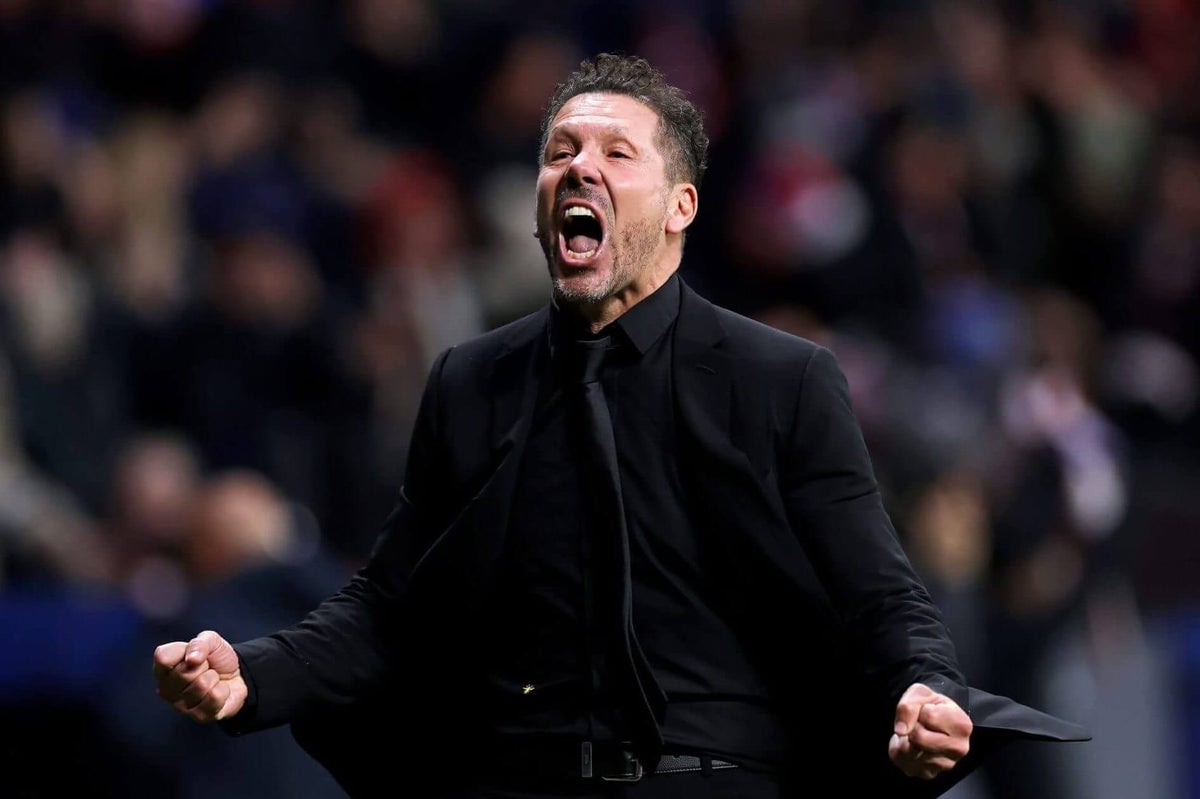
Conversely, Diego Simeone has introduced Robin Le Normand for Johnny Cardoso, a move designed to harden the backline. By potentially shifting Marcos Llorente into a hybrid midfield role, Simeone aims to disrupt Arsenal’s central creative hub, effectively transitioning between defensive containment and swift counter-attacks.
The Institutional Politics of the Technical Area
The intensity of the touchline has become a critical sub-plot in European football. Diego Simeone’s confrontational approach during VAR reviews—a point of critique from figures like Steve McManaman—highlights a systemic conflict between managerial influence and officiating authority. The frequent reliance on long-duration VAR reviews has transformed the technical area into a theater of pressure, where managers actively attempt to shape the atmosphere surrounding match-defining decisions.
This shift forces governing bodies to reconsider the boundaries of technical area conduct. As teams treat touchline behavior as a legitimate tool for tactical leverage, the risk to refereeing objectivity grows. Future regulatory frameworks may soon mandate stricter enforcement to preserve the perceived integrity of elite competition.
Elite Squad Management and Resource Allocation
The semi-final stage highlights the divergent physical management strategies employed by both clubs. Simeone’s decision to rotate his entire starting XI during a domestic fixture against Valencia illustrates a ruthless prioritization of European objectives over league standing. This gamble aims to ensure maximum physical output for his high-intensity defensive block.
In contrast, Arsenal’s reliance on a consistent core suggests a prioritization of chemistry and match rhythm. While this approach enhances tactical familiarity, it places extreme physical demand on the starting XI, turning the second leg into a battle of endurance against Atletico’s purposefully fresher legs. The eventual victor will likely be the side that best executes its managerial philosophy under the strain of institutional expectations and extreme competitive pressure.