Angry Anderson, Rose Tattoo Frontman, Dies at 79
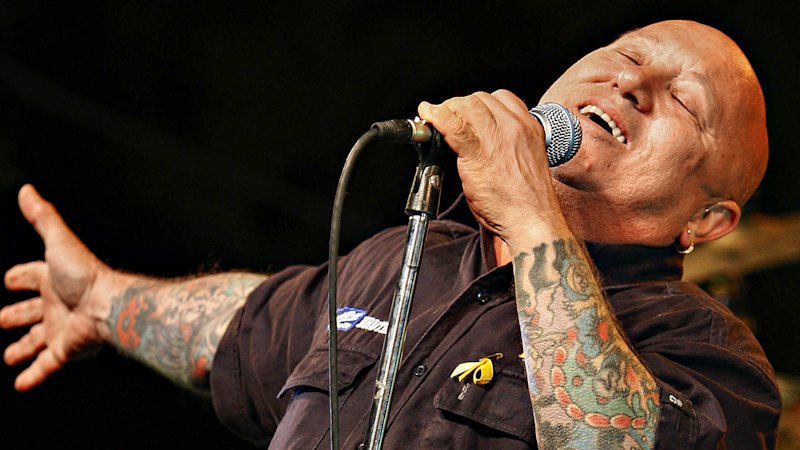
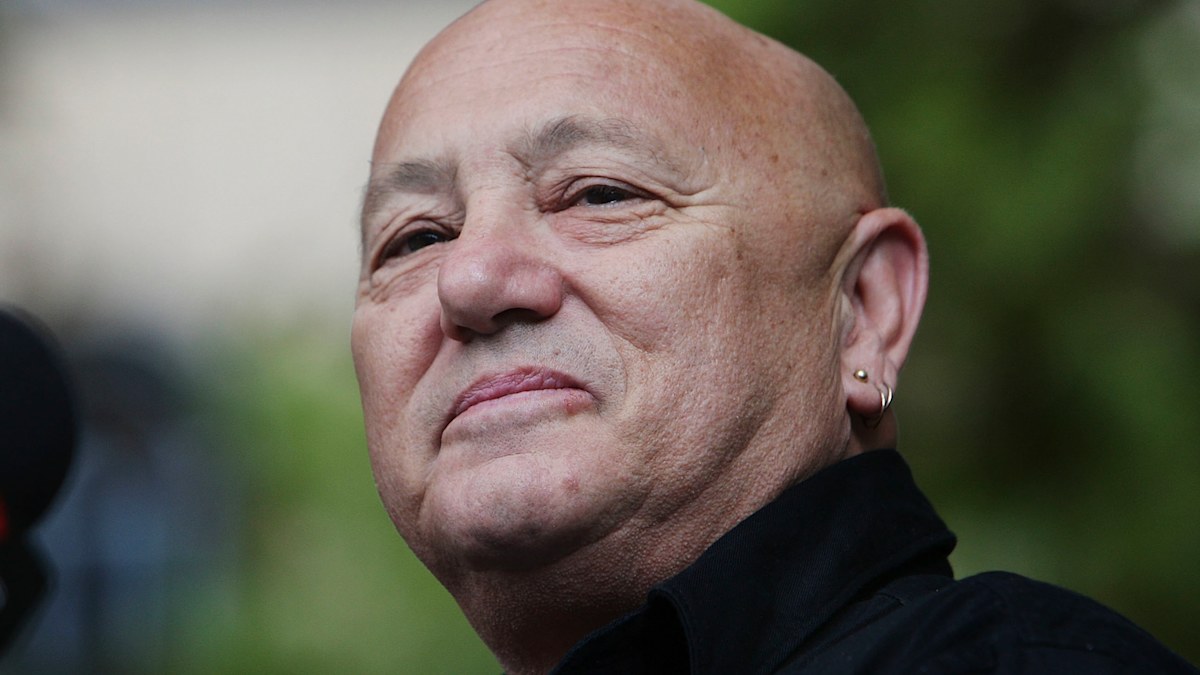
Gary ‘Angry’ Anderson AO, the inimitable frontman of Australian rock band Rose Tattoo, has passed away at the age of 79. His death was confirmed by his management and family on Wednesday, concluding a five-decade career that left an indelible mark on the global music scene.
Anderson’s passing occurred on Monday, September 21, 2026, in Australia, surrounded by loved ones. His family’s statement highlighted his role as a devoted father and a beloved figure within the music and entertainment community, noting the profound sense of loss felt both domestically and internationally.
The news comes after a serious health scare that saw Anderson suffer a cardiac arrest in early August. This critical incident necessitated hospitalization in Germany during Rose Tattoo’s European tour, leading to the cancellation of the remaining dates of their ‘One Last Ride’ tour, which had been billed as their final live performances.
Rose Tattoo’s Enduring Legacy and Anderson’s Impact
Formed in Sydney in 1976, Rose Tattoo quickly became synonymous with a visceral, no-holds-barred rock sound. Their signature anthems, including ‘Bad Boy for Love,’ ‘Rock ‘n’ Roll Outlaw,’ and ‘We Can’t Be Beaten,’ cemented their status as pioneers of Australian hard rock. Anderson’s distinctive guttural vocals and commanding stage presence were central to the band’s raw appeal.
Beyond his work with Rose Tattoo, Anderson carved out a successful solo career, achieving a significant hit with the ballad ‘Suddenly.’ His influence extended beyond music; he was also a respected television presenter, dedicated charity worker, and passionate advocate for youth welfare, demonstrating a commitment to broader social engagement.
Industry Reflections and Tour Implications
Anderson’s death represents a significant void in the Australian music landscape, particularly for the hard rock genre he helped define. His enduring influence is evident in Rose Tattoo’s continued popularity and the numerous musicians inspired by his authentic energy and uncompromising performance style.
The abrupt end to Rose Tattoo’s final tour due to Anderson’s health emergency underscores the inherent challenges faced by long-established musical acts. It highlights the operational and financial risks associated with extensive touring for veteran artists and the complex logistical hurdles of managing critical health incidents during international engagements.
For a generation of fans, Anderson’s passing marks the definitive end of an era for Australian rock music. The widespread tributes from fellow musicians and the public attest to the deep emotional resonance of his music, which soundtracked pivotal moments for countless listeners.
Broader Context and Strategic Considerations
Anderson’s dual role as a prominent musician and a dedicated youth advocate exemplifies the evolving responsibilities of public figures in contemporary society. His engagement in these areas showcases a strategic use of his platform for social good, a trend increasingly adopted by established artists seeking to make a meaningful societal impact.
The decision to embark on a ‘final tour’ prior to Anderson’s health setback suggests a deliberate strategy to manage legacy and capitalize on market presence. Such tours are often designed to leverage decades of fan loyalty and goodwill, providing a conclusive narrative arc for a band’s career while optimizing revenue generation.
The circumstances surrounding his hospitalization and the subsequent tour cancellation also bring to the forefront the critical need for robust health and safety protocols for touring musicians. This includes comprehensive insurance, immediate access to medical facilities in foreign countries, and contingency plans for unforeseen health events – all critical elements that carry substantial financial and operational weight for artists and their management teams.
Anderson’s remarkable 50-year presence in the music industry speaks volumes about his resilience and adaptability. His ability to maintain relevance across evolving eras of music consumption and cultural shifts offers a compelling case study in sustained career longevity within the highly competitive entertainment sector.
The statement from his family and bandmates requesting privacy during their time of grief respectfully emphasizes the human element behind public personas. It underscores the delicate balance between the demands of celebrity and the fundamental need for personal mourning and support, a dynamic often tested during high-profile public losses.
The collective memory of Anderson’s contributions to Australian music and his advocacy work will continue to resonate. His legacy is defined not only by his chart successes but also by the significant cultural imprint he left as a charismatic performer and a committed community figure.
The financial implications for Rose Tattoo and its associated entities resulting from the aborted European tour are likely substantial, impacting projected revenue streams and future operational planning. This event serves as a stark reminder of the financial precarity that can accompany the final stages of a band’s active career, particularly when unforeseen circumstances disrupt planned commercial activities.
Anderson’s impact extends to the broader Australian cultural narrative, where he stood as a symbol of rebellious spirit and enduring rock and roll authenticity. His trajectory from the music scene to public advocacy demonstrates a significant path of growth and engagement that transcends professional boundaries.
The international reach of Rose Tattoo’s music and Anderson’s personal appeal mean his passing will be noted by music enthusiasts worldwide. This widespread recognition underscores the power of music to transcend geographical borders and unite diverse audiences through shared cultural experiences.
The strategic decisions made by Anderson and his management throughout his career, from tour planning to solo ventures and advocacy initiatives, offer valuable insights into navigating the complexities of the modern entertainment industry. His sustained career of over five decades suggests a keen understanding of market dynamics and audience engagement.
The enduring appeal of Rose Tattoo’s music, characterized by its raw energy and relatable themes, continues to attract new generations of listeners. This suggests a timeless quality to their work that transcends generational divides, securing their lasting place in rock history.
Anderson’s passing also prompts reflection on the physical toll that a life dedicated to intense performance can exact. The cardiac arrest, occurring during a demanding tour schedule, highlights the critical need for artists to prioritize their health and well-being—a message that resonates universally across the entertainment industry.
The band’s commitment to attempting to fulfill their touring obligations, even in the face of Anderson’s health crisis, demonstrates a profound dedication to their fans and their craft. This resilience in adversity is a hallmark of seasoned professionals navigating the inherent challenges of live performance.
Ultimately, Angry Anderson’s legacy is one of passion, perseverance, and a profound connection with his audience. His contributions have left an indelible mark on Australian music and culture, ensuring his memory will endure.