
Asymmetric Maritime Denial and IRGC Hegemony
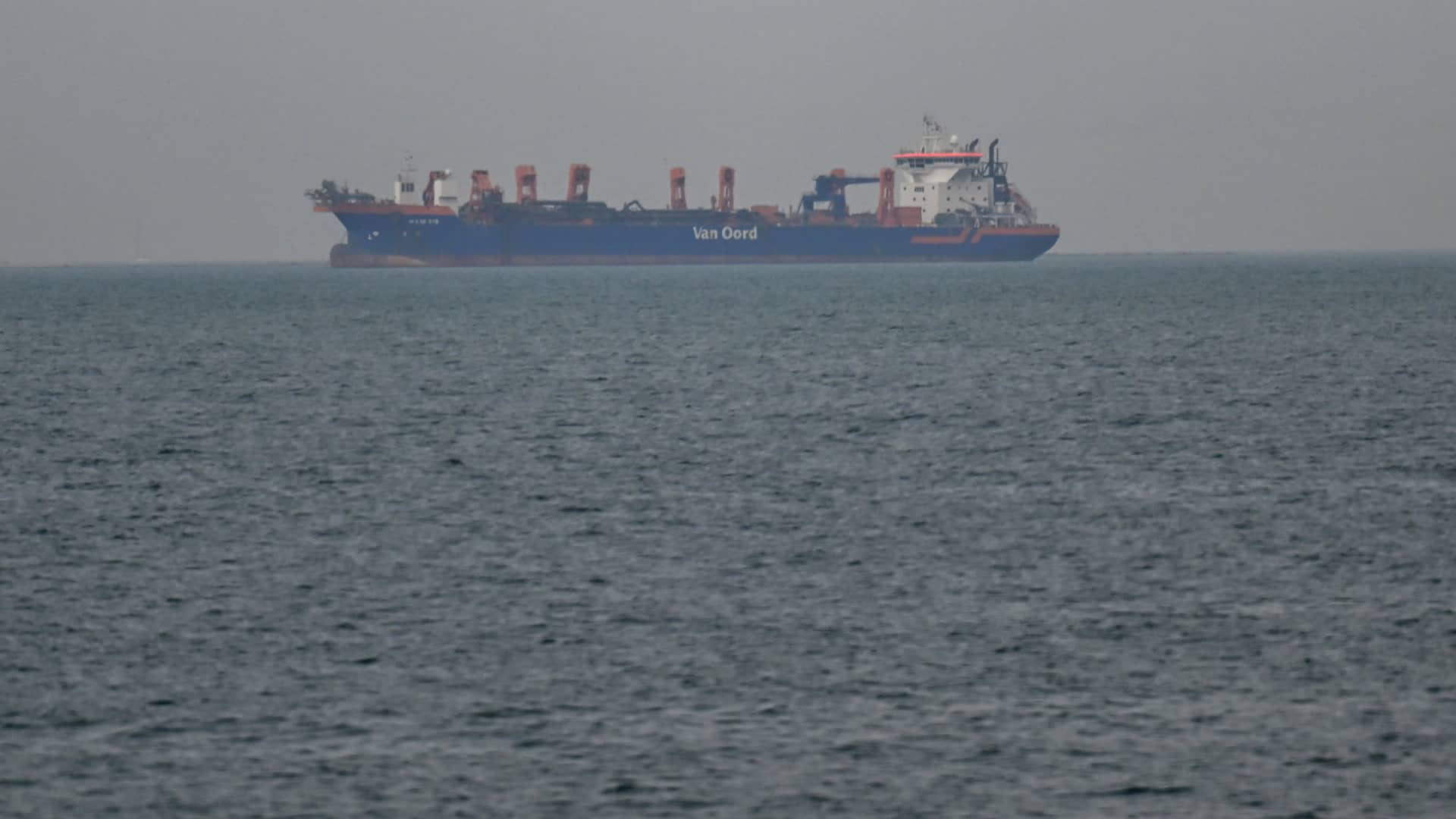
The Islamic Revolutionary Guard Corps’ (IRGC) assertion of absolute control over the Strait of Hormuz marks a transition from tactical posturing to a strategy of active maritime denial. By operationalizing their geographic proximity to the world’s most critical energy artery, the IRGC has effectively introduced a ‘war-risk’ premium that transcends traditional market fluctuations. This blockade is not merely a localized disruption; it is a calculated neutralization of the primary logistical corridor connecting Persian Gulf hydrocarbon reserves to global markets, forcing an immediate recalibration of international maritime security protocols and sovereign risk assessments.
Quantifying the Crude Oil Supply Deficit
The blockade’s primary impact is the removal of 13 million barrels per day (mb/d) of crude oil—approximately 31% of global seaborne trade—from the immediate supply chain. This volume loss creates a structural deficit that exceeds the aggregate spare capacity of non-Gulf producers. Consequently, the market is pricing in a ‘scarcity floor,’ driving Brent crude toward the $100 threshold. The 10% price surge observed since the onset of hostilities reflects more than current physical shortages; it incorporates the projected costs of rerouting logistics, inflated war-risk insurance, and the anticipated depletion of Strategic Petroleum Reserves (SPR).
LNG Inelasticity and Infrastructure Vulnerability
While crude oil markets possess some degree of fungibility, the liquefied natural gas (LNG) sector faces an existential crisis due to extreme infrastructure inelasticity. Approximately 20% of global LNG exports, predominantly from Qatar, are now stranded. The IRGC’s drone strikes on the Ras Laffan Industrial City have shifted the conflict’s center of gravity from maritime interdiction to the kinetic destruction of land-based liquefaction assets. This dual-threat environment—blocking transit while simultaneously degrading production capacity—eliminates the possibility of a rapid market recovery, even in the event of a diplomatic de-escalation.
Macroeconomic Contagion and Asian Industrial Exposure
The economic fallout is most acute in the Asia-Pacific region, where energy-intensive economies like China, India, and Japan rely on the Strait for the vast majority of their feedstock. The cessation of these flows threatens to trigger a manufacturing contraction and an inflationary shockwave that will permeate global supply chains. As Asian refineries face immediate throughput reductions, the resulting increase in the cost of industrial inputs will likely impede central bank efforts to stabilize global inflation, acting as a catalyst for a broader recessionary trend.
Systemic Realignment of Maritime Trade and Security
The IRGC’s disruption of ‘innocent passage’ norms necessitates a fundamental re-evaluation of international maritime law and naval protectionism. The current crisis demonstrates the fragility of centralized energy hubs and may accelerate a permanent capital flight toward geographically diversified energy projects. Investors are now forced to factor in ‘chokepoint risk’ as a permanent variable, likely leading to a long-term prioritization of domestic energy independence and alternative transit corridors that bypass the Persian Gulf entirely.
Photo by ErikaWittlieb on Pixabay.