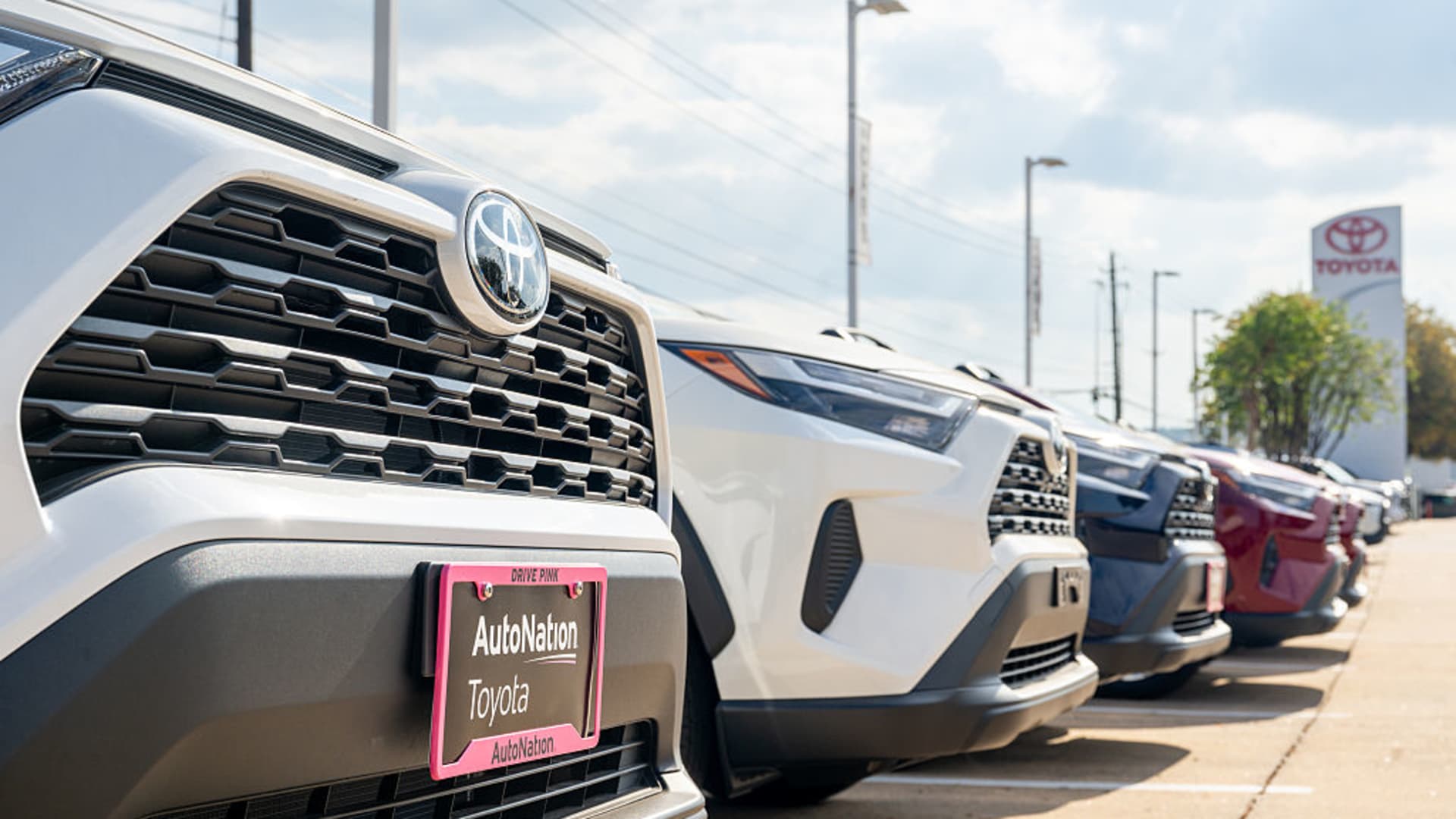
Toyota Motor Corp. has mandated a safety recall affecting 550,007 Highlander and Highlander Hybrid vehicles across the U.S. market, spanning the 2021 through 2024 model years. The core safety concern stems from a defect within the second-row seat-back locking mechanism that can prevent proper securing after adjustment.
Regulatory documentation filed with the National Highway Traffic Safety Administration (NHTSA) specifies that this malfunction significantly degrades occupant restraint efficacy, posing an elevated risk during high-speed impact scenarios, as the seat back could unexpectedly recline.
Component Failure Analysis and Remediation Strategy
The recall, designated under campaign numbers 26TB06 and 26TA06, isolates the root cause to the return springs within the seat-back recliner assemblies. This necessitates a physical component replacement, moving beyond simple service adjustments.
This mechanical failure points to a potential systemic lapse in the manufacturing quality control or material specification for these critical load-bearing springs. The affected volume comprises approximately 420,771 Highlander units and 129,236 Highlander Hybrid units.
The prescribed remedy requires dealerships to replace the faulty return springs at no cost to the owner. This shifts the immediate financial and logistical burden to Toyota’s parts distribution and service network, demanding robust inventory management to prevent extended vehicle downtime.
Regulatory Scrutiny and Brand Equity Impact
For Toyota, a manufacturer heavily invested in the durability narrative, this recall on a high-volume SUV like the Highlander imposes substantial brand reputation exposure. The defect directly challenges the integrity of passive safety systems, attracting intense regulatory oversight.
Owner notification letters are scheduled to commence in April, following the March 5 filing date. This gap is likely allocated for parts staging and dealer readiness protocols. The severity is heightened because the failure directly compromises the intended function of the seat restraint system under crash loads, aligning with stringent Federal Motor Vehicle Safety Standards (FMVSS) criteria.
Strategic Implications for Quality Assurance and Supply Chain
The component-specific nature of the failure (return springs) mandates an immediate internal quality assurance review, focusing intensely on the supplier relationship managing interior mechanical assemblies. This likely triggers accelerated incoming quality inspections (IQC) for similar parts across the entire model portfolio.
Competitors in the mid-size SUV segment will observe Toyota’s response, as transparency and speed in resolving mechanical integrity issues are key differentiators in consumer trust. The volume—over half a million units—places this recall in the upper tier for non-structural failures, demanding exceptional execution.
The market’s measured response suggests that the operational cost is perceived as routine for an OEM of this scale, but the incident forces a re-evaluation of the engineering trade-offs between functional usability (ease of seat adjustment) and long-term crash safety performance.
Operational and Compliance Trajectory
NHTSA’s function is to ensure the manufacturer’s remedy satisfies safety compliance. The explicit risk of improper restraint during high-speed collisions elevates this incident beyond common defects. Compliance tracking, involving the administrative coordination of 550,007 VINs through the service network, will become a critical internal KPI for Toyota’s quality division over the coming quarters.
Internal capital allocation is expected to shift towards enhanced supplier auditing and validation engineering for critical mechanical linkages. The identification of the faulty part number suggests an immediate moratorium on its use across current and future platforms until a robust root cause analysis confirms a permanent fix. This scenario underscores the persistent engineering tension between achieving high manufacturing throughput and guaranteeing flawless execution in safety-critical components.