Unusual Solar Activity and Geomagnetic Storms Prompt Enhanced Aurora Forecasts
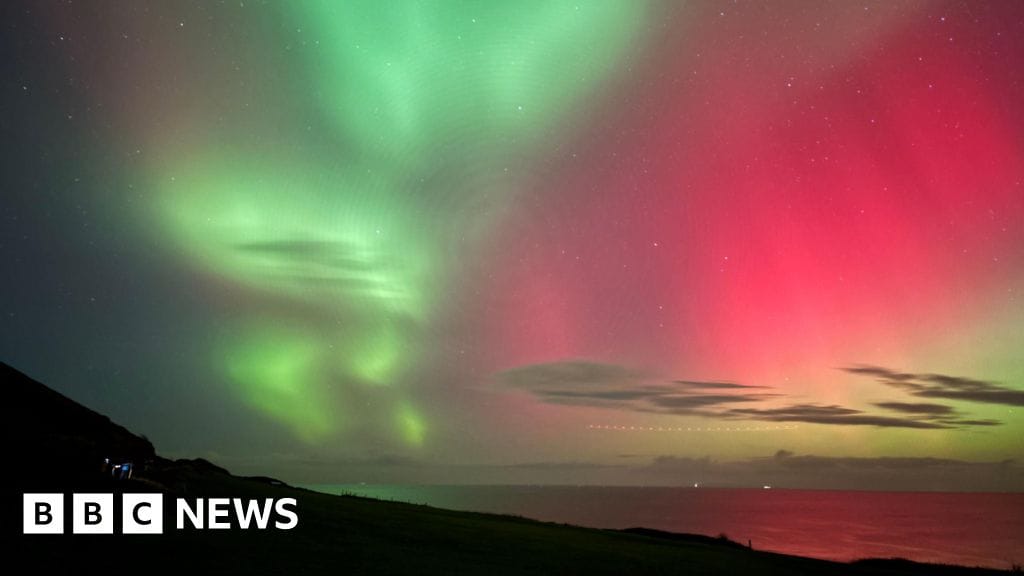
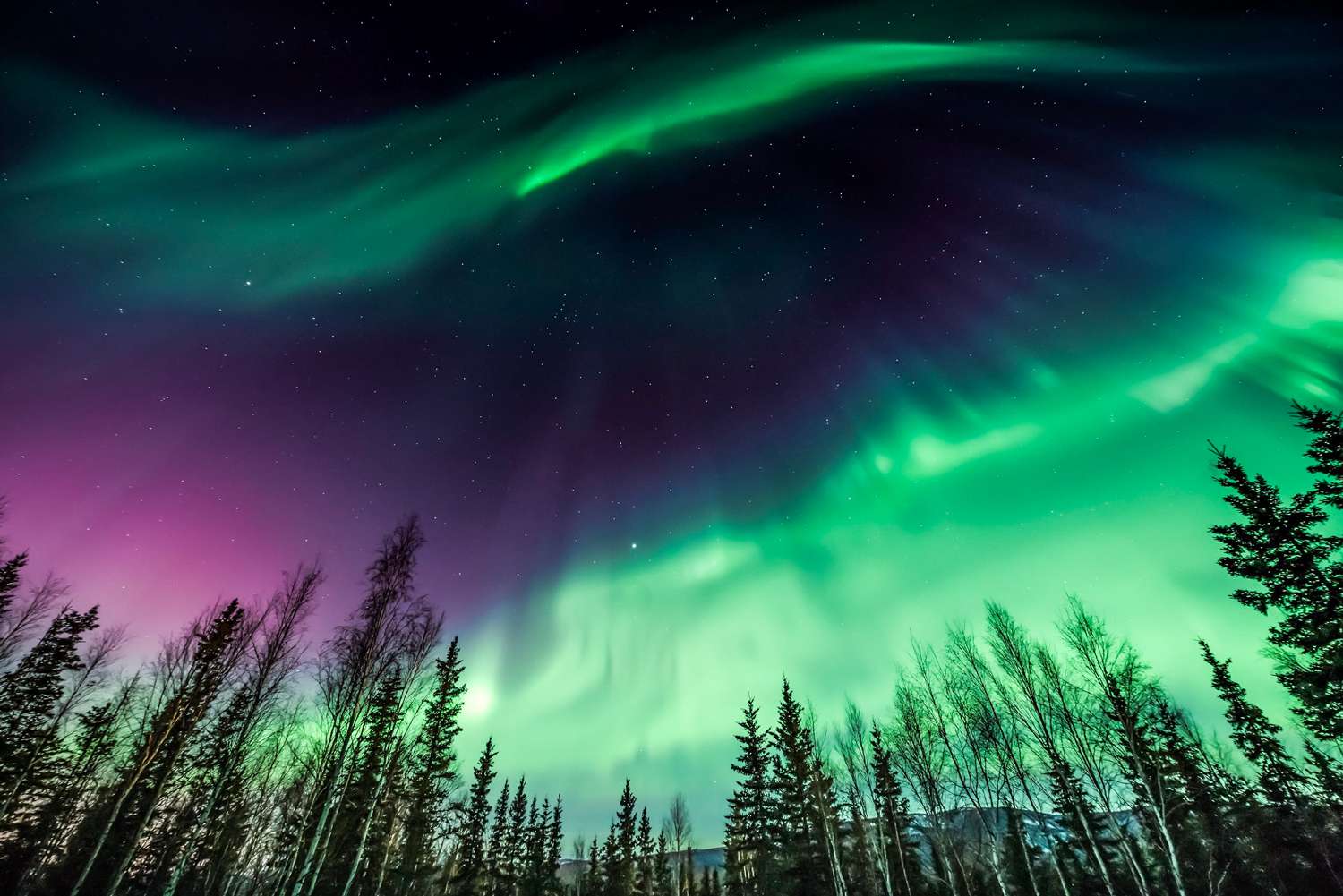
Recent observations indicate a significant increase in geomagnetic activity, leading to sightings of the aurora borealis at latitudes considerably further south than typically recorded. This phenomenon has been documented with specific instances, including sightings reported in areas such as Devon, Cornwall, and the Channel Islands on consecutive occasions within a single week.
These events are directly linked to a period of heightened solar activity, which has resulted in the emission of powerful solar phenomena toward Earth. The documented events include an X-class solar flare, a powerful classification of solar energy release, and a coronal mass ejection (CME) that reached Earth’s magnetic field sooner than anticipated. This unexpected arrival prompted an upgrade in aurora forecasts, reflecting the potential for visibility in a significantly wider area, including forecasts for visibility across 10 to 11 states in the United States.
Understanding the Solar Cycle and Coronal Mass Ejections
The increased frequency and intensity of solar events, such as the X-class flare and associated CME, are consistent with the natural progression of the solar cycle. The sun operates on an approximate 11-year cycle of activity, moving between a solar minimum (low activity) and a solar maximum (high activity). During the solar maximum, the sun’s magnetic field becomes more complex, leading to an increase in sunspots, solar flares, and CMEs. This heightened state of activity explains why phenomena typically restricted to polar regions are observed in more temperate zones.
A coronal mass ejection involves the expulsion of a massive cloud of magnetized plasma from the sun’s corona. When these charged particles are directed toward Earth, they interact with the planet’s magnetosphere. This interaction generates a geomagnetic storm, which in turn causes the aurora. The intensity of the geomagnetic storm determines how far south or north the aurora becomes visible. A powerful CME can compress the magnetosphere on the sunward side and stretch it out on the night side, allowing the aurora oval (the region where the aurora is most prominent) to expand significantly toward lower latitudes.
The Role of Space Weather Forecasting and Institutional Infrastructure
The documented upgrade in aurora forecasts following the early arrival of the CME highlights the critical function of space weather monitoring institutions. Forecasting centers continuously monitor solar data and analyze models to predict the arrival time and potential intensity of CMEs. The accuracy of these forecasts is essential for managing potential impacts on modern technological infrastructure, which is highly sensitive to geomagnetic disturbances. The fact that the CME arrived sooner than expected underscores the inherent challenges in precisely forecasting these complex, high-velocity phenomena.
While the visual manifestation of the aurora is a primary effect of geomagnetic storms, the underlying disturbances can pose significant risks to critical infrastructure. Geomagnetically induced currents (GICs) generated by severe storms can enter power grids, potentially overloading transformers and leading to widespread blackouts. Satellites in orbit face increased radiation exposure and atmospheric drag, which can disrupt communications, GPS systems, and satellite-based services. Therefore, the institutional response to space weather events extends beyond public viewing forecasts to include proactive risk management for vulnerable sectors.
Long-Term Implications of Increased Geomagnetic Activity
The current period of heightened geomagnetic activity necessitates a strategic re-evaluation of infrastructure resilience. The increased frequency of solar flares and CMEs during the solar maximum phase places continuous stress on technological systems. While minor events primarily affect high-latitude regions, powerful storms capable of affecting mid-latitude areas, as indicated by the enhanced forecasts, require specific mitigation strategies. These strategies include adjusting power grid operations, repositioning satellites, and implementing precautionary measures to protect ground-based communications systems. The recent events serve as a practical example of the real-time adjustments required to mitigate potential risks associated with space weather phenomena during periods of peak solar activity.