A Shot Heard Round the Political Landscape
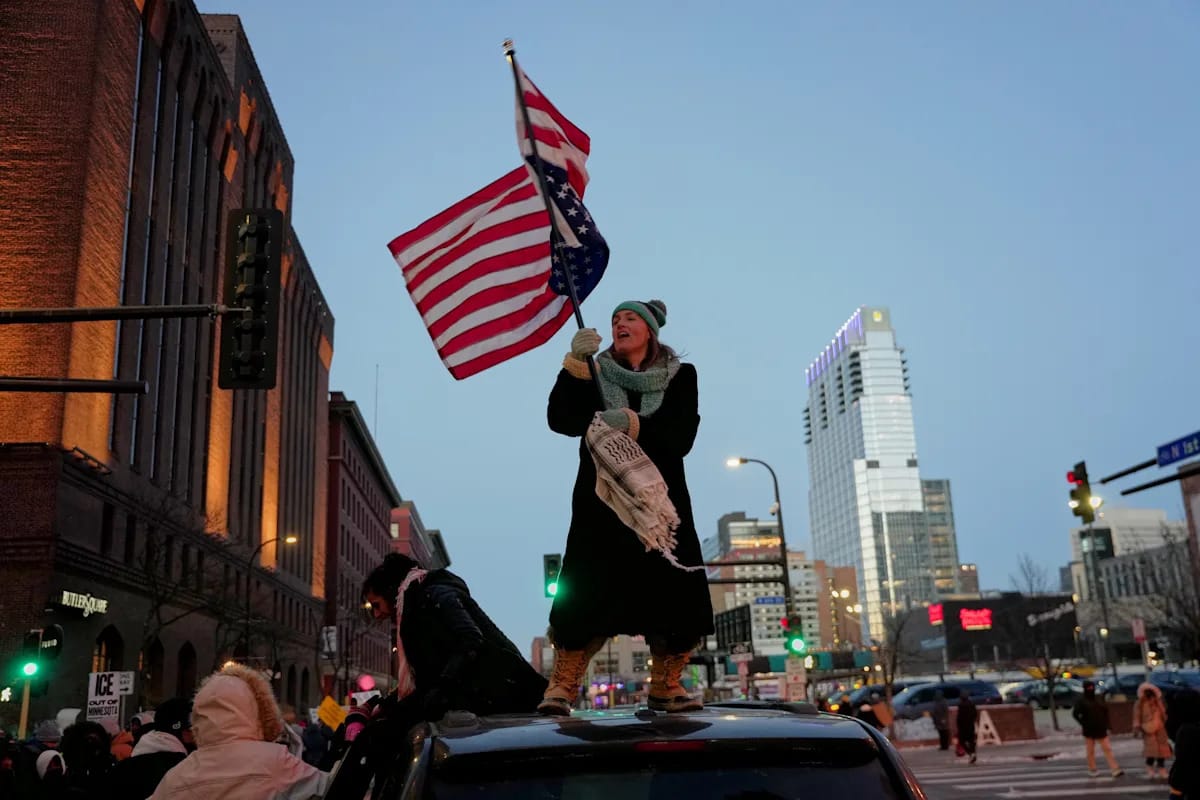
The ordinary streets of Minneapolis became an unexpected battleground this week, not of civil unrest, but of political fallout. The shooting of Alex Pretti by federal immigration officers has sent shockwaves through the nation’s capital, forcing a difficult conversation among Republicans about gun rights, immigration enforcement, and their allegiance to the Trump administration.
Sources close to the events have revealed that Pretti had prior confrontations with federal agents. In one instance, he was reportedly tackled and sustained a broken rib. This prior interaction casts a shadow over the recent shooting, raising questions about the methods employed by immigration enforcement and the potential for escalation.
Scrambling Second Amendment Politics
The incident has thrown a wrench into the delicate balance of Second Amendment politics, a cornerstone of the Republican party’s platform. Prominent Republicans and staunch gun rights advocates, usually unified in their defense of the right to bear arms, found themselves bristling over the administration’s actions.
What began as a response to perceived threats from protesters and agitators in Minneapolis has morphed into a political crisis. Federal immigration officers were reportedly collecting personal information on individuals in the city, including details about Alex Pretti, prior to the shooting. This intelligence gathering operation now faces intense scrutiny.
The White House Turnabout
The ensuing backlash was swift and significant enough to elicit a notable turnabout from the White House. For a party that largely champions law and order and supports robust immigration enforcement, the situation presented an uncomfortable paradox. How could they reconcile their pro-gun stance with the actions of federal agents in a shooting incident?
The narrative began to shift as Republicans, usually eager to defend the administration, found themselves hesitant to speak out. There was a palpable fear of alienating the powerful gun lobby or, worse, incurring the wrath of President Trump himself, who has a formidable presence in the party’s discourse.
A Shadow Over Enforcement
The actions of federal immigration officers in Minneapolis are now under a microscope. The collection of personal data on protesters, a practice that has been described as documenting “agitators,” raises serious concerns about surveillance and the potential for targeting individuals based on their political activities.
The fact that Alex Pretti’s details were documented by these agencies before he was shot adds a layer of complexity. It suggests a pre-existing level of interaction or observation that predates the fatal encounter, fueling speculation and demanding a thorough explanation from federal authorities.
The Gun Lobby’s Unease
For an administration that has consistently enjoyed the unwavering support of gun rights organizations, this incident has created an unprecedented fissure. The shooting of Pretti, coupled with the apparent proactive surveillance of individuals, has unnerved even the most dedicated Second Amendment advocates.
The fear is that such aggressive tactics by federal agencies could inadvertently provide ammunition to those seeking to restrict gun ownership or, conversely, create a climate where constitutional rights are perceived as being under threat from the very government sworn to protect them.
A Precarious Political Tightrope
The Minneapolis shooting has thus scrambled the established political order, particularly for a Republican party that has long relied on the unwavering support of Second Amendment voters. This incident forces them to navigate a precarious tightrope, balancing their commitment to gun rights with the actions of a federal administration that appears to be employing increasingly assertive enforcement tactics.
The sources indicating that Alex Pretti was in an earlier confrontation with federal agents, resulting in a broken rib, further complicate the narrative. It paints a picture of escalating tension and raises critical questions about de-escalation protocols and the use of force by immigration officers.
The GOP finds itself in an unenviable position, caught between defending the Second Amendment and supporting the actions of a president who often favors a strong hand in immigration enforcement.
The Unspoken Fear
Behind the public pronouncements and carefully worded statements lies a palpable fear within the Republican party. They are afraid to directly criticize the Trump administration, particularly on issues that the President holds dear. This reluctance to speak truth to power, even when faced with uncomfortable truths, speaks volumes about the current political climate.
The narrative surrounding Alex Pretti’s shooting is far from over. As more details emerge and the political ramifications continue to unfold, the incident serves as a stark reminder of the complex and often contradictory forces shaping American politics today.
Looking Ahead
The long-term impact of the Alex Pretti shooting on Second Amendment advocacy and the Trump administration’s immigration policies remains to be seen. However, it has undeniably opened a Pandora’s Box of questions and concerns that will likely resonate for months to come.
The incident underscores the need for transparency and accountability in federal law enforcement, especially when constitutional rights are at stake. The coming weeks will undoubtedly reveal how deeply these issues will cut into the fabric of American political discourse.