Alaska Airlines Flight Lockdown Amidst Passenger Threats Highlights Aviation Security Protocols
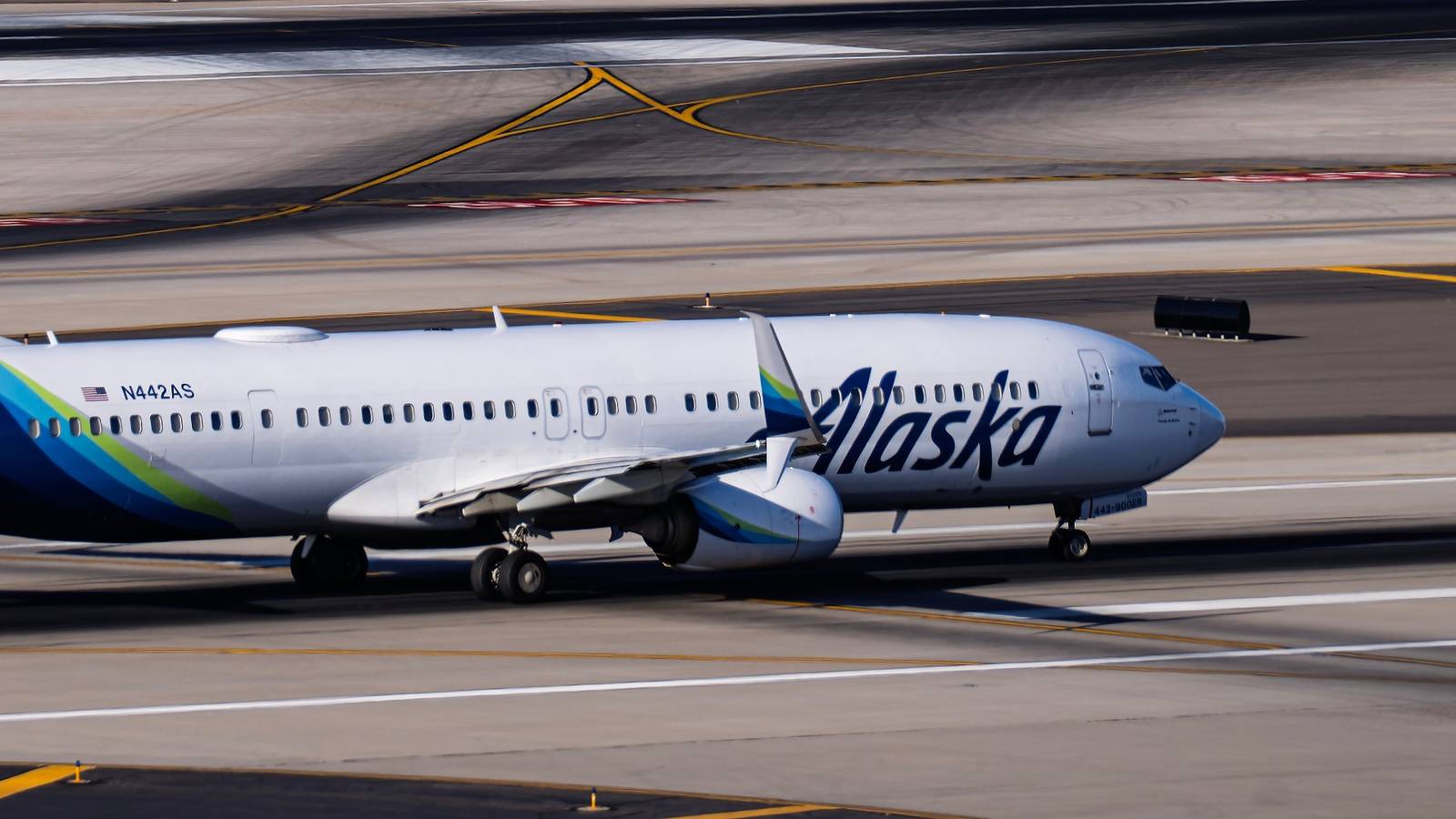
Alaska Airlines Flight 305, scheduled from Miami International Airport (MIA) to Seattle-Tacoma Airport (SEA), was placed under a ‘lockdown protocol’ Sunday evening after flight attendants reported passengers had “threatened to take the aircraft over.” This critical alert, relayed via air traffic control, triggered an immediate security escalation, underscoring the aviation industry’s robust response mechanisms to threats against flight deck integrity.
The flight crew of the Boeing 737-890, upon receiving the alarming reports, immediately informed air traffic control of their intent to initiate a lockdown and requested law enforcement assistance. This action is consistent with post-September 11th aviation security enhancements mandating the sealing of reinforced flight deck doors. Implementing this protocol signifies a severe assessment of immediate risk to flight operations and passenger safety, reflecting the seriousness with which perceived threats to commercial aviation are treated.
Miami-Dade Sheriff’s Office Airport District deputies responded to the aircraft at MIA. Out of an abundance of caution, all passengers were deplaned for a thorough investigation, a standard procedure allowing law enforcement to assess the situation safely and effectively. The swift deployment demonstrated crucial inter-agency cooperation for airport security.
Following their investigation, the Miami-Dade Sheriff’s Office found no credible threat. The two individuals involved in the disturbance were rebooked on a different flight. The aircraft was cleared, and passengers were eventually permitted to reboard, enabling the flight to proceed with significant delays.
The eventual cancellation of the initial departure for Flight 305, as indicated by flight tracking data, represents a tangible operational and financial consequence. Airlines incur substantial costs from such disruptions, including rebooking, crew reassignment, aircraft repositioning, and potential passenger compensation, impacting profitability and efficiency.
The ‘lockdown protocol’ is a critical component of modern aviation security, designed to protect the flight deck as the final line of defense. Its activation directly responds to a perceived threat to cockpit integrity, the highest-risk scenario in commercial air travel, reflecting lessons learned from historical security failures.
Stakeholders—Alaska Airlines, MIA, the Miami-Dade Sheriff’s Office, and passengers—all experienced impacts. Alaska Airlines faced operational disruption and potential reputational scrutiny, while airport authorities managed a significant security event. Passengers endured inconvenience and anxiety, common byproducts of even precautionary security measures.
The incident highlights the operational procedures and training of flight attendants and pilots. Their ability to accurately assess situations, communicate effectively, and follow established protocols is paramount. The flight attendants’ prompt reporting and the pilots’ decisive lockdown action demonstrate the effectiveness of current training in identifying and mitigating potential security risks in real-time.
From a regulatory perspective, the event reinforces the Federal Aviation Administration’s (FAA) oversight and security mandates for U.S. carriers. The protocols are designed to handle a broad spectrum of potential threats, prioritizing passenger and crew safety. The successful de-escalation validates the layered security approach employed by the aviation sector.
Financial implications for Alaska Airlines extend beyond immediate disruption costs. Such events can influence passenger confidence and booking decisions. The disruption itself can increase operational expenses related to security reviews and potential enhancements to passenger screening or behavioral monitoring.
Air traffic control’s role was significant, facilitating communication and coordinating with ground-based law enforcement for a swift response. Audio recordings offer a critical, albeit brief, window into immediate decision-making during a high-stress security event.
Public reporting of such incidents, often amplified by social media, spotlights aviation security practices. Balancing transparency with avoiding undue alarm is a constant challenge, as detailed reporting of unsubstantiated threats can inadvertently create a perception of heightened risk.
Strategic implications for airlines include continuous risk assessment and protocol refinement, involving investment in technology, ongoing training, and strong inter-agency relationships. Effective response to a wide range of potential threats is critical for operational resilience and public trust.
The incident aboard Flight 305 serves as a reminder of the complex, dynamic nature of aviation security, underscoring the industry’s preparedness to enact stringent measures when necessary, even if precautionary. The ongoing commitment to learning and adapting to evolving threat landscapes remains paramount.
The deplaning of passengers, while a necessary security step, also highlights the human element. Passengers endure significant travel disruption. The airline’s rebooking efforts aim to mitigate the negative experience, though immediate stress and inconvenience are unavoidable.
Looking ahead, such events prompt reviews of passenger conduct policies and management of disruptive behavior. The underlying cause—described as a “customer disturbance”—suggests a need for airlines to continually assess and manage passenger behavior to prevent escalation to security-critical situations.
Reliance on air traffic control audio for initial reporting and analysis highlights the importance of robust communication systems and record-keeping in aviation. These recordings are invaluable for post-incident reviews and ensuring accountability.
Ultimately, the Alaska Airlines incident reinforces the critical importance of established security protocols in commercial aviation. The swift implementation of the ‘lockdown protocol’ and the thorough law enforcement investigation demonstrate a system designed to err on the side of caution when passenger safety is perceived at risk, a fundamental principle of air travel security.