The Unique Risk Profile of Overnight Severe Weather
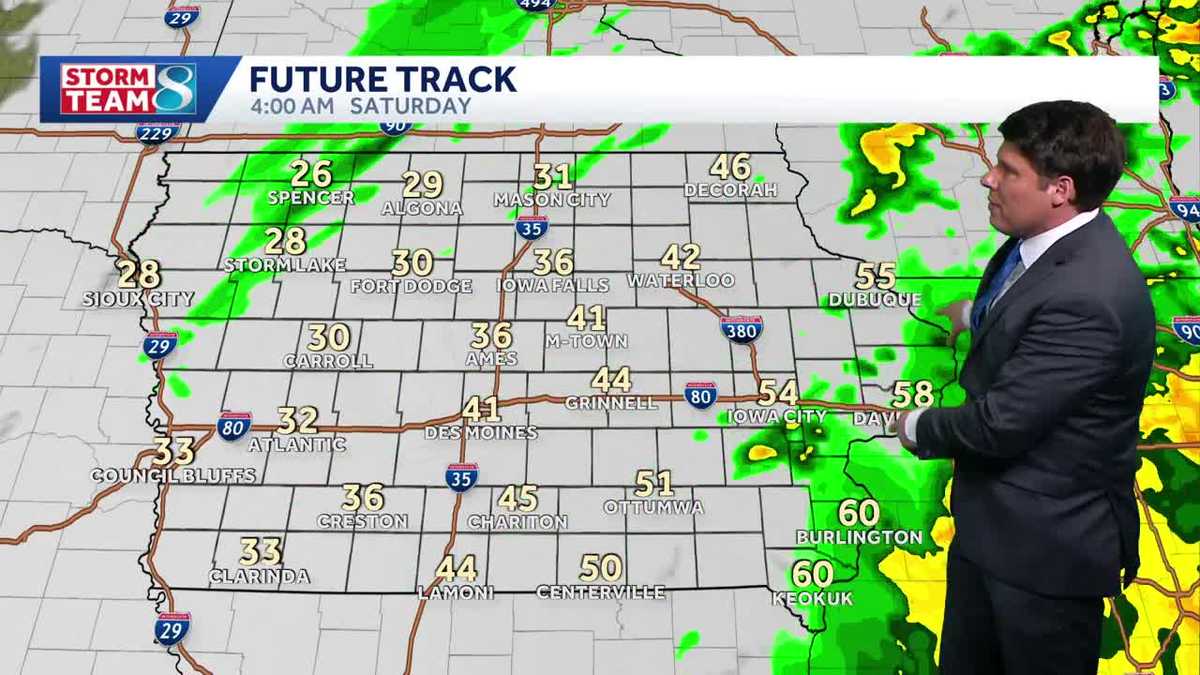
A significant weather event across the Midwest, spanning from Iowa to the St. Louis metropolitan area, has triggered a series of severe thunderstorm warnings and tornado watches. The primary concern for institutional stakeholders and operational continuity is the timing of the threat, projected to peak during late evening and early morning hours. This overnight timing significantly elevates the risk profile for critical infrastructure and logistics networks, presenting unique challenges for emergency response and business continuity planning. Unlike daytime events where visibility and public awareness are higher, severe weather occurring between 10 p.m. and 4 a.m. increases the likelihood of delayed or ineffective responses due to low visibility, reduced staffing levels for repair crews, and decreased public vigilance.
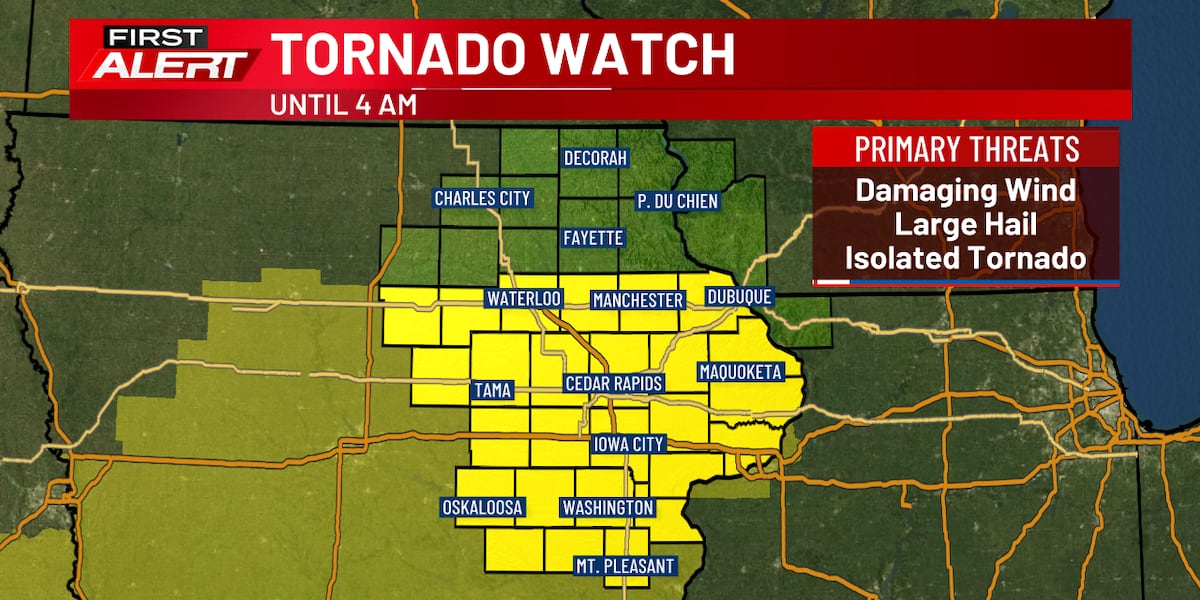
The system is fueled by unseasonably warm and humid air, creating a volatile environment that sustains storm intensity well past sunset. The National Weather Service (NWS) has issued alerts for damaging wind gusts and large hail, with a specific focus on the potential for isolated tornadoes. This combination of factors necessitates a higher level of vigilance from public safety officials and private sector entities, particularly those operating in high-exposure sectors such as transportation and utilities.
Cascading Impacts on Logistics and Critical Infrastructure
The overnight nature of this weather system introduces a critical layer of operational complexity for supply chain management. For logistics networks, this timing directly impacts freight movement along major interstate corridors like I-80 and I-70, which serve as vital arteries for national commerce. The disruption of overnight trucking operations can create bottlenecks that ripple through just-in-time (JIT) inventory systems across the country. Logistics companies face a complex calculation of safety risks versus financial penalties for delayed deliveries. The low visibility conditions during overnight hours exacerbate this trade-off, making alternative routing or secure holding patterns less viable.
Stakeholder exposure extends beyond transportation to include critical infrastructure operators. Power utilities face increased risk from damaging winds and hail, which can lead to widespread outages. The overnight timing complicates damage assessment and repair efforts, potentially extending downtime for residential and commercial customers. Telecommunication networks, essential for emergency communications and business operations, are similarly vulnerable to infrastructure damage, creating a cascading risk profile for data centers and other technology-dependent enterprises located within the affected regions.
The Challenges of Institutional Response and Communication
Effective communication during severe weather events is crucial for maintaining public trust and ensuring compliance with safety directives. The dynamic nature of severe weather forecasting presents significant challenges for resource allocation and public messaging. The reliance on Wireless Emergency Alerts (WEA) for disseminating warnings during overnight hours underscores the critical role of public-private partnerships in emergency management. However, the effectiveness of these alerts depends on the reliability of cellular networks and the public’s pre-configured settings on mobile devices. The specific safety guidance issued by authorities—advising residents to seek shelter on the lowest floor, away from windows, and in interior rooms—highlights the need for pre-emptive planning for vulnerable populations and those in non-hardened structures.
The source notes that a severe thunderstorm warning for central Iowa counties was issued and subsequently canceled as the storm weakened below severe limits. This scenario illustrates the tension between ensuring public safety through timely alerts and managing public perception. Frequent warnings that do not materialize can lead to ‘warning fatigue,’ potentially eroding public compliance during future, more severe events. For emergency services, this dynamic requires flexible resource deployment where teams must be prepared to mobilize quickly, but also to stand down if the threat diminishes. This decision-making process is central to institutional risk management and resource management.
Longterm Strategic Planning and Resilience Investment
The repeated occurrence of severe weather events in the Midwest necessitates a reevaluation of infrastructure resilience strategies. The vulnerabilities exposed by damaging winds and hail require capital investment in hardening physical assets. For utilities, this includes undergrounding power lines in high-risk areas or implementing advanced grid management systems that can isolate faults quickly. For transportation authorities, this involves ensuring bridges and overpasses can withstand high wind loads and that drainage systems can handle flash flooding associated with severe storms. Businesses must update continuity plans to account for more frequent disruptions, integrating predictive weather models into operational planning to pre-position resources or reroute shipments before storms hit.
The financial implications extend to the insurance sector. Increased frequency of severe weather events leads to higher claims for property damage, potentially resulting in rising premiums for homeowners and businesses in high-risk areas. The specific threat of hail, often overlooked in favor of tornado risk, can cause significant damage to roofs and vehicles. The strategic response from insurers involves adjusting risk models and potentially limiting coverage in certain high-exposure zones. This current event serves as a case study for evaluating the effectiveness of existing protocols under high-stress, low-visibility conditions and low-staffingenuity conditions.