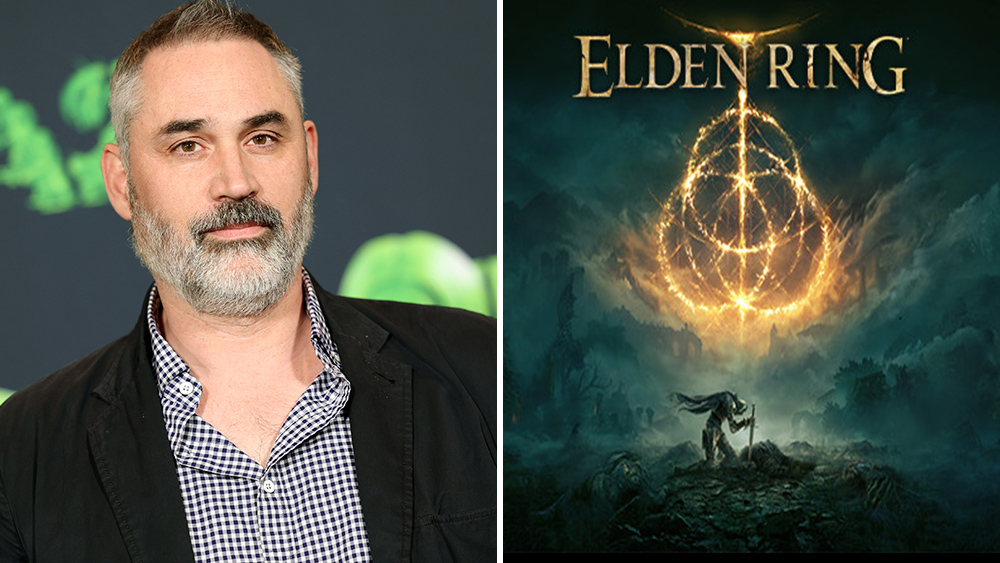
A24’s Strategic Pivot: From Arthouse to High-Capital IP Adaptation
The announcement of A24’s live-action adaptation of the critically acclaimed video game Elden Ring represents a significant inflection point in the studio’s business model. Historically defined by its focus on independent, director-driven arthouse films, A24’s commitment to a high-capital, tentpole adaptation of a major fantasy IP signals a calculated move toward revenue diversification and market scaling. This project, with a production commitment for IMAX and a scheduled release on March 3, 2028, places A24 in direct competition with major studios, testing its ability to leverage its brand reputation for quality and creative integrity within the high-stakes blockbuster landscape.
This strategic shift reflects a broader industry trend where high-value intellectual property (IP), particularly from gaming, is essential for sustaining long-term growth. For A24, the adaptation serves as a critical test case for scaling its operational model and translating its brand equity to mainstream audiences. The studio’s success in navigating the high financial risk associated with a large-scale fantasy epic will determine its future trajectory as either a niche player or a significant industry competitor in the IP adaptation market.
The Creative Challenge: Translating Non-Linear Narrative and World-Building
Alex Garland faces the formidable challenge of adapting Elden Ring’s unique narrative structure. The game, created under the guidance of FromSoftware’s Hidetaka Miyazaki and based on a mythological foundation by George R. R. Martin, is renowned for its environmental storytelling and emergent narrative. Unlike traditional linear cinema, the game’s plot unfolds through player-driven discovery and exploration. Garland’s task is to compress this vast, open-world RPG experience into a cohesive film structure, preserving the core atmosphere and mythology while satisfying mainstream audience expectations for character arcs and plot progression.
Garland’s previous work, including high-concept science fiction films like Ex Machina and Annihilation, demonstrates a capacity for psychological depth and visual artistry. However, adapting Elden Ring demands a different scale of world-building and narrative compression. The core appeal of the source material lies in the player’s agency and sense of accomplishment from overcoming obstacles. Translating this feeling of agency into a passive viewing experience without alienating the core fanbase represents the most significant creative risk. The involvement of George R. R. Martin as a producer suggests a focus on preserving the mythological foundation, but the film’s success hinges on Garland’s ability to structure this expansive universe into a compelling cinematic narrative.
Operational Strategy and Market Positioning
The decision to film in IMAX signals a substantial increase in production budget and operational complexity for A24. This move requires significant capital mobilization, logistical scaling, and strategic partnerships. The involvement of veteran studio executive Peter Rice, alongside producers Andrew Macdonald and Allon Reich from DNA, highlights the strategic importance of this project and provides A24 with crucial operational support for managing a large-scale production. This collaboration demonstrates A24’s transition from an indie distributor to a full-scale producer capable of executing high-budget projects.
The partnership between A24 and Bandai Namco Entertainment is central to the project’s financial structure. For Bandai Namco, a successful film adaptation offers a powerful opportunity for IP monetization, extending the commercial life cycle of the franchise beyond gaming and potentially boosting sales of future game installments and merchandise. This collaboration mitigates A24’s financial risk by leveraging Bandai Namco’s existing brand equity and audience base.
The March 2028 release date positions Elden Ring strategically outside the traditional summer blockbuster window. This counter-programming approach, successfully used by films like Dune and The Batman, aims to capture a dedicated audience during a less crowded period in the theatrical calendar, maximizing per-screen averages and justifying the film’s status as a premium theatrical event through the IMAX commitment.
Casting Strategy: Balancing Credibility and Mainstream Appeal
The casting strategy for Elden Ring reflects A24’s attempt to bridge arthouse credibility with mass-market appeal. The ensemble cast, including Garland collaborators like Cailee Spaeny and Sonoya Mizuno, aligns with A24’s reputation as a director-friendly studio. Conversely, the inclusion of actors like Kit Connor (leveraging his rising profile), Ben Whishaw (bringing significant dramatic weight from major franchises), and Nick Offerman (offering versatile appeal) demonstrates a calculated approach to attract a broad audience. This strategy minimizes the risk associated with relying on a single lead actor, supporting a narrative that explores multiple perspectives within the game’s expansive lore, while leveraging established talent to draw mainstream viewership beyond A24’s traditional niche.
Long-Term Implications for A24’s Business Model
The Elden Ring project is a high-stakes investment in a new business model for A24. The studio’s success in executing this pivot could lead to future high-value IP adaptations and significantly increase its valuation. A successful transition to producing tentpole films could position A24 as an attractive acquisition target for larger media conglomerates. Conversely, a failure to execute on a project of this scale could damage A24’s brand reputation and financial stability, highlighting the inherent risks of expanding beyond its core competency. The project serves as a critical case study in how independent studios navigate the transition to large-scale IP production in a highly competitive market while balancing creative autonomy with commercial expectations.