Historic Silver in Tesero
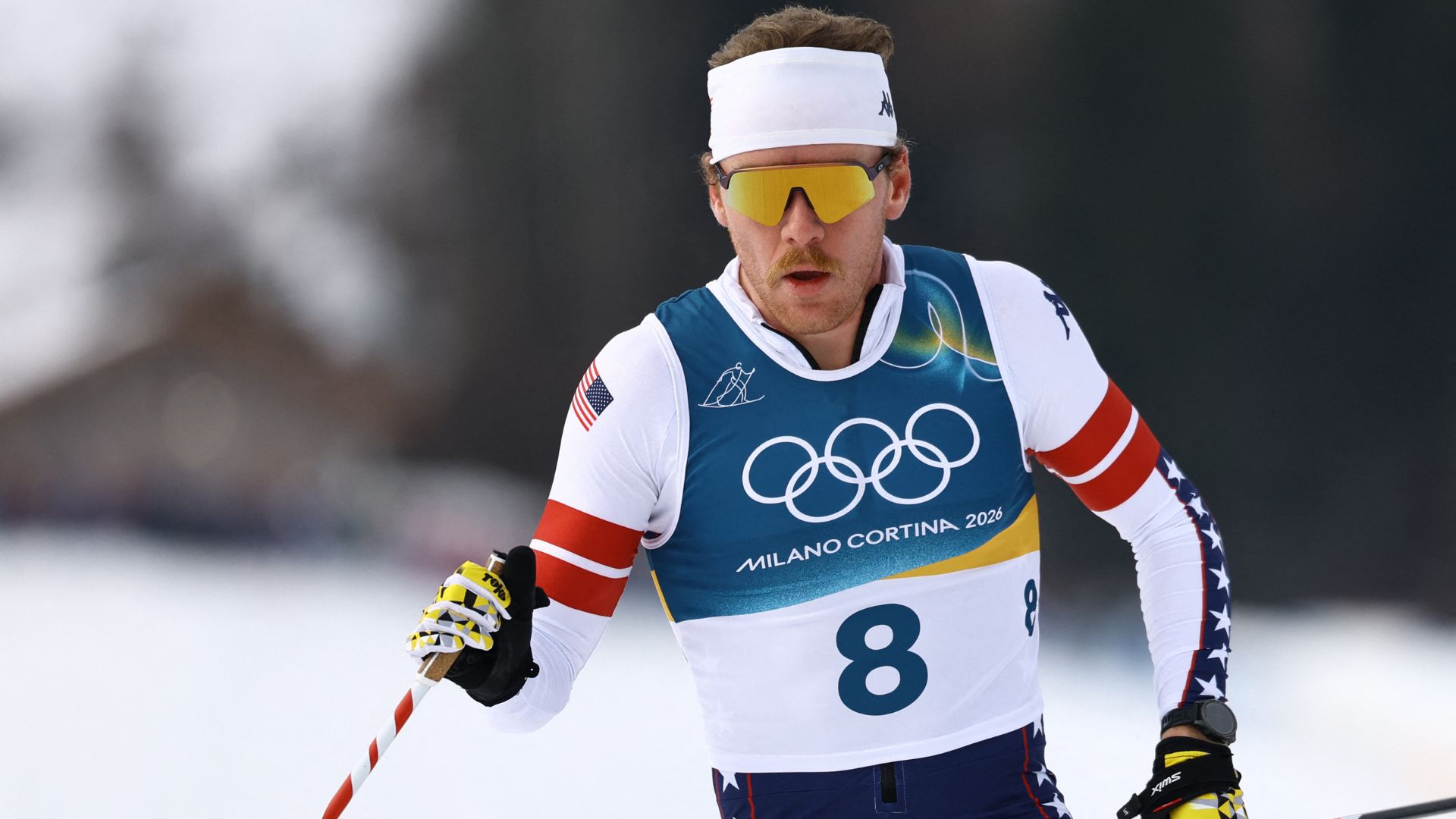
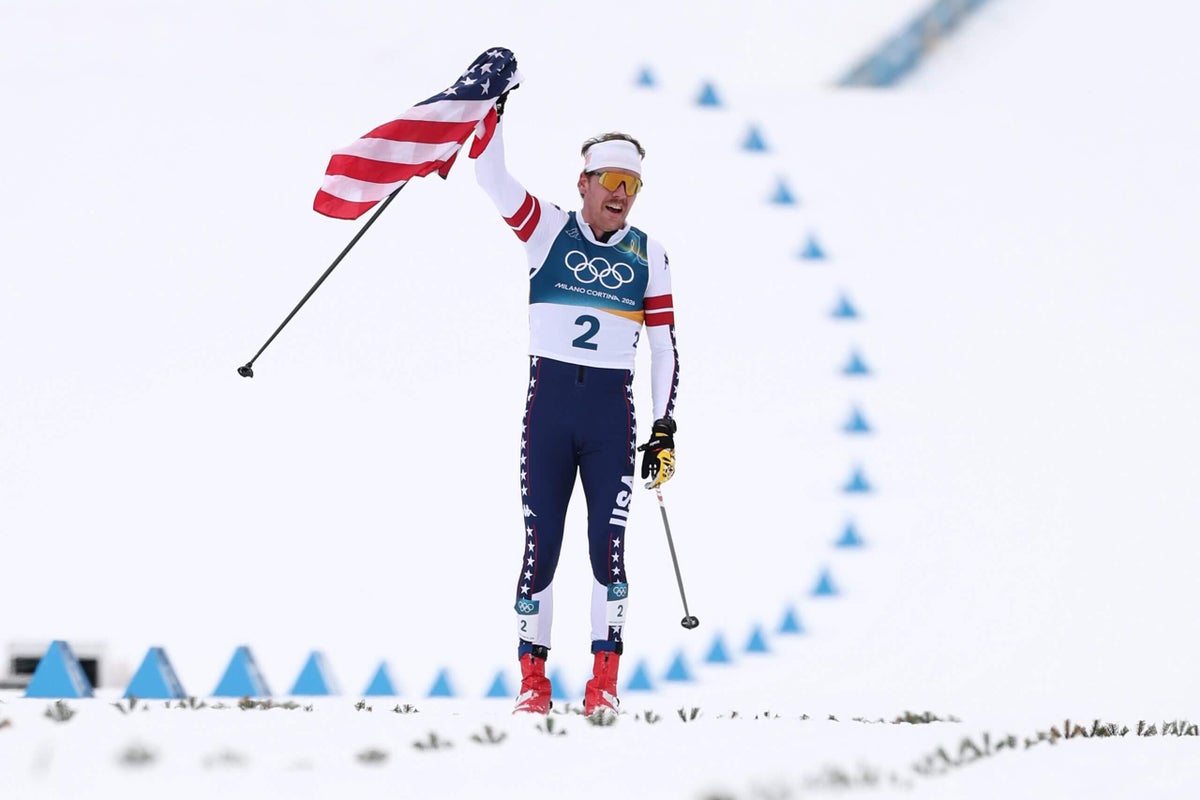
In a significant shift for the competitive landscape of international winter sports, Ben Ogden has secured a silver medal in the men’s cross-country skiing sprint. This achievement, recorded in Tesero, Italy, represents a pivotal moment for the United States men’s program, which had not seen a podium finish in this discipline for five decades. The performance effectively concludes a 50-year drought, establishing a new benchmark for the national team’s performance in high-stakes international competition.
The result followed a rigorous qualification process where Ogden demonstrated high-level technical proficiency. By securing the second spot during the sprint qualification rounds, the athlete positioned himself within the upper echelon of the field before the final heats. This qualification phase serves as a critical institutional filter, determining the strategic seeding and operational readiness of competitors as they transition from individual time trials to direct elimination formats.
Institutional Significance of the Fifty-Year Gap
The conclusion of a half-century drought carries weight beyond the immediate achievement of a silver medal. Within the structural framework of national sports governing bodies, such a gap often reflects the long-term challenges of maintaining competitive parity against traditionally dominant international programs. The achievement in Tesero validates the developmental pathways and resource allocations that have been directed toward the men’s cross-country discipline over several quadrennial cycles.
This silver medal marks only the second time in history that a United States male athlete has reached the Olympic podium in cross-country skiing. The scarcity of such results underscores the administrative and athletic hurdles inherent in the sport. From a policy perspective, the achievement provides a tangible return on institutional investments in coaching infrastructure, athlete identification, and tactical preparation required to compete at the highest level of the Olympic movement.
The Procedural Nature of Sprint Qualification
The sprint qualification process is a core administrative component of the Olympic cross-country skiing curriculum. Athletes must navigate a high-pressure environment where marginal differences in time can dictate the trajectory of the entire competition. Ogden’s ability to secure the second-fastest time in this phase highlights the consistency and mechanical efficiency demanded by modern international standards.
By finishing second in the qualification round, the athlete met the stringent performance criteria necessary to advance through the subsequent rounds of the tournament. This phase is not merely a test of speed but a structural requirement that tests an athlete’s ability to manage the physiological demands of the course while maintaining the technical precision needed to qualify for the medal-contention heats. The transition from qualification to the final sprint involves complex strategic shifts as athletes move from individual performance to tactical group racing.
Team Culture and Psychological Management
The environmental factors surrounding the team also play a role in the broader structural success of the program. Reports from the Olympic setting indicate that members of the close-knit skiing contingent have utilized yarn and knitting as a primary method for relaxation and psychological decompression. This activity serves as an informal yet structured tool for managing the high-stress environment of international competition.
Within the context of elite performance, the integration of such activities reflects a team-wide strategy for maintaining emotional and cognitive balance. This cultural cohesion is often cited by sports organizations as a foundational element for achieving sustainable success in multi-week international events. The use of yarn as a relaxation mechanism provides a window into the internal dynamics and the soft-infrastructure developed to support athletes during the most intense periods of their professional careers.
Analytical Synthesis of the Silver Medal
The silver medal in Tesero must be viewed through the lens of institutional progression. While the gold medal was claimed by a dominant performance, the second-place finish by Ogden signifies a closure of the competitive gap between the United States and the world’s leading cross-country skiing nations. This result acts as a verifiable indicator of the program’s current standing within the global athletic hierarchy.
Ultimately, the performance in the sprint qualification and the final medal round represents the culmination of complex administrative, logistical, and athletic efforts. The 50-year drought was a persistent narrative in the history of the sport, and its resolution provides a new data point for analyzing the effectiveness of contemporary training and support structures. The significance of this achievement lies not only in the individual success of the athlete but in the structural validation of the entire organizational framework that supported the journey to the podium.