Institutional Advancement of Associate Cricket in Global Tournaments
The recent victory of the Netherlands over Namibia at the Feroz Shah Kotla stadium in New Delhi signifies a critical juncture in the structural hierarchy of international cricket. This fixture, a primary engagement for both Associate members, demonstrates the increasing competitive density within the International Cricket Council’s secondary membership tier.
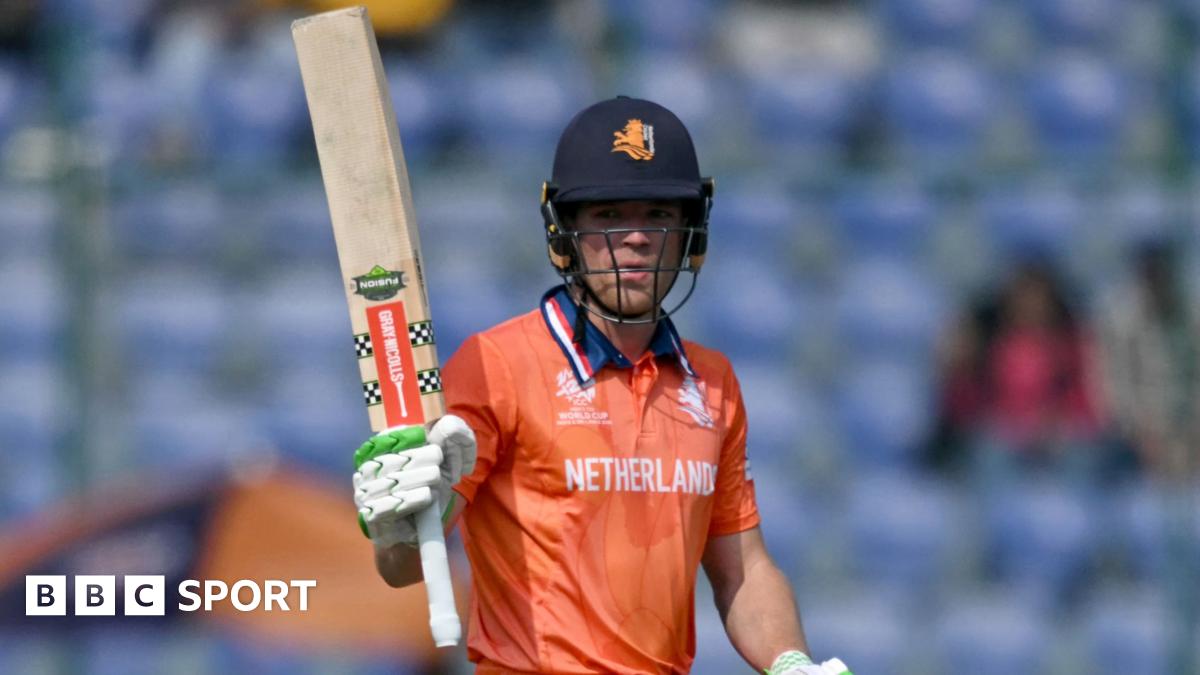
As the Netherlands opened their account in the T20 World Cup with a seven-wicket victory, the result serves as a formal indicator of the nation’s professional development within the sport. This performance follows a trend where Associate teams have consistently challenged the established dominance of Full Member nations, creating a more complex global competitive landscape.
Personnel Strategy and Squad Optimization
The administrative and technical leadership of the Netherlands implemented specific roster adjustments for this encounter, signaling a strategic approach to squad depth. The inclusion of experienced players such as Klaassen and van der Gugten highlights the importance of institutional knowledge in high-pressure tournament environments.
Simultaneously, Namibia utilized the fixture to introduce new talent into the international arena, marking the debut of Myburgh. This debut reflects the ongoing efforts of the Namibia Cricket Board to expand their player pool and ensure long-term sustainability within the international circuit.
The Structural Significance of Associate Performance
In the institutional framework of the T20 World Cup, matches between Associate nations carry significant weight regarding future funding and qualification status. For the Netherlands, a convincing victory provides essential leverage within the tournament’s progression structure, influencing their standing relative to both peers and higher-ranked opponents.
The performance of Bas de Leede, who contributed effectively with both bat and ball, exemplifies the multi-dimensional skill sets currently required in modern professional cricket. Such individual performances are often the result of long-term investment in high-performance pathways designed to bridge the gap between amateur and professional standards.
Geopolitical and Media Context of Neutral Venues
The choice of New Delhi as a neutral venue for this encounter underscores the logistical and administrative coordination required by global governing bodies. Hosting international fixtures in major hubs like the Kotla stadium provides Associate teams with exposure to diverse environmental conditions and sophisticated infrastructure typically reserved for Full Member nations.
This exposure is essential for the reputational growth of Associate programs, as it places their performances under the scrutiny of international media and global scouting networks. The ability of the Netherlands to secure a win in such an environment suggests a level of professional maturity that transcends domestic competition.
Analysis of the Competitive Gap and Institutional Parity
The narrative of the current T20 World Cup has been defined by the narrowing margin between established powers and emerging teams. While the Netherlands previously pressured Full Member nations such as Pakistan, their ability to execute a disciplined strategy against Namibia confirms their status as a leading Associate power.
This development is not merely a reflection of tactical execution on the field but is indicative of broader systemic shifts in global cricket governance. Increased access to international fixtures and the professionalization of domestic leagues have allowed nations like the Netherlands and Namibia to develop more resilient administrative frameworks.
The Role of All-Round Performance in Tournament Strategy
Bas de Leede’s role in the Netherlands’ victory illustrates the institutional value placed on versatile players who can impact multiple phases of the game. In a tournament format characterized by high volatility, having personnel who can stabilize both the bowling and batting departments provides a significant strategic advantage.
For Namibia, the challenge remains to convert their emerging talent and competitive spirit into consistent results against Tier-1 Associate opposition. The debut of Myburgh is a tactical step toward this objective, though the outcome of this specific fixture highlights the current disparity in experience between the two squads.
Future Implications for Associate Membership Status
The results of these World Cup fixtures are often used by the International Cricket Council to evaluate the distribution of resources and the expansion of future tournament formats. A victory for the Netherlands strengthens their case for continued inclusion in top-tier events and potentially facilitates greater access to bilateral series against Full Members.
Conversely, Namibia’s participation, despite the loss, remains a vital component of their institutional growth, providing the necessary data for technical staff to refine their training and selection policies. The encounter at New Delhi serves as a case study in how Associate nations utilize global stages to validate their internal development programs.
Editorial Synthesis and Conclusion
While the immediate outcome was a seven-wicket win for the Netherlands, the structural implications extend far beyond the final score. The match serves as a barometer for the health of the sport’s global expansion, demonstrating that the technical and administrative gaps between nations are continually being addressed through professionalization.
It is important to note that these observations are based on documented match proceedings and institutional frameworks rather than speculative outcomes. The ongoing trajectory of both the Netherlands and Namibia will continue to be a focal point for analysts monitoring the evolution of international cricket governance and competitive parity.