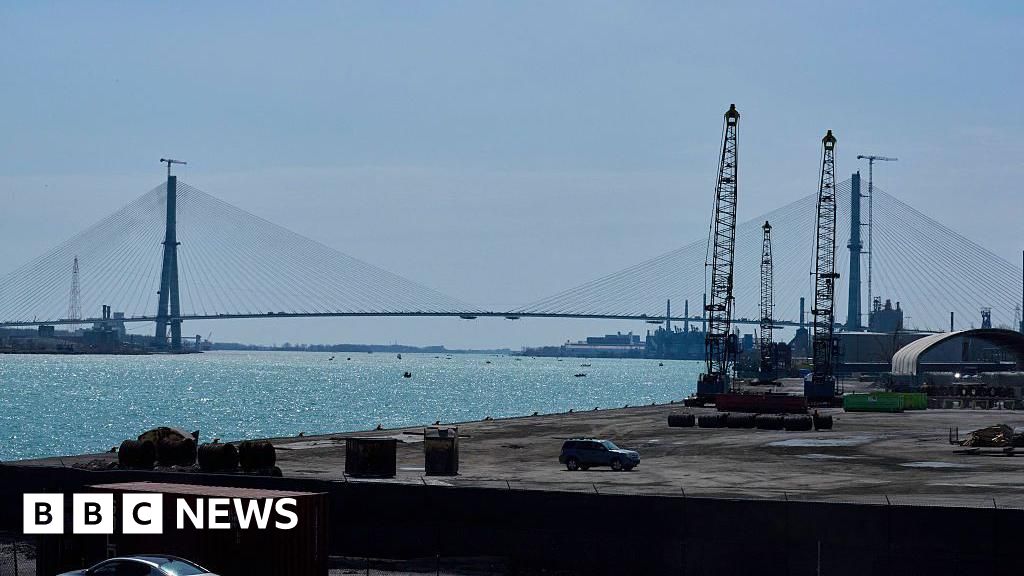
The Executive Challenge to Binational Infrastructure
President Donald Trump has introduced a new variable into North American trade relations by threatening to block the opening of the Gordie Howe International Bridge. This bridge serves as a critical link between the United States and Canada, representing years of bilateral planning and investment.
The threat is predicated on the demand that the United States be fully compensated for perceived economic imbalances. By linking the operational status of physical infrastructure to broader trade goals, the executive branch is utilizing its oversight of international crossings as a diplomatic instrument.
Such statements highlight the intersection of administrative authority and international economic policy. The Gordie Howe International Bridge is not merely a construction project but a regulated portal subject to complex federal oversight and permitting processes.
Administrative Frameworks of Cross-Border Connectivity
The functionality of an international bridge relies on a series of federal approvals and the coordination of border security resources. Within the United States, the executive branch maintains significant influence over the processes required to staff and certify new points of entry.
Presidential permits are a foundational requirement for any infrastructure project that crosses an international boundary. These permits are granted based on a determination of the national interest, a standard that allows for wide administrative discretion.
If the opening is blocked, it would involve the exercise of these administrative levers to prevent the final transition from a construction site to a functional port of entry. This process involves multiple agencies, including those responsible for customs, immigration, and transportation safety.
The Intersection of Trade Policy and Physical Transit
The President’s comments specifically target the economic relationship between the United States and its northern neighbor. By focusing on the bridge, the administration highlights the physical bottlenecks that facilitate or restrict the flow of goods.
Economic issues, including tariffs and market access, have been cited as the primary drivers for this stance. The use of the word compensation suggests a desire for structural changes in how trade benefits are distributed between the two nations.
Infrastructure projects like the Gordie Howe Bridge are designed to increase efficiency and reduce the costs associated with cross-border logistics. Threatening the opening of such a project introduces a strategic delay that impacts the long-term planning of private sector industries dependent on these routes.
Economic Compensation and Sovereignty in Trade Relations
The concept of being fully compensated for historical or current trade conditions is a recurring theme in the administration’s approach to bilateral agreements. This perspective views international trade as a balance sheet where deficits must be addressed through direct policy interventions.
In this context, the bridge becomes a tangible asset that can be used to negotiate for concessions in other areas of the economy. This strategy moves beyond traditional tariff-based disputes and incorporates the physical movement of goods into the broader negotiation framework.
The legal and institutional basis for such a demand rests on the executive’s power to manage the nation’s borders and regulate foreign commerce. While the bridge is a joint effort, its operational start depends on the mutual consent of both sovereign entities involved.
Structural Significance of International Portals
International bridges are the arteries of the global supply chain, particularly in the manufacturing and agricultural sectors. The Gordie Howe International Bridge was specifically intended to alleviate pressure on existing crossings and provide a more modern transit route.
Delaying the opening of such a portal has ripple effects through the regional economy, particularly in hubs like Lansing and the surrounding industrial areas. It forces the continued reliance on older infrastructure that may not have the capacity to handle evolving trade volumes.
The structural significance of the bridge also lies in its role as a symbol of binational cooperation. A threat to block its opening signals a shift toward a more transactional approach to shared infrastructure and common economic goals.
Institutional Oversight and the Presidential Permit
The authority to regulate international crossings is vested in the executive branch through long-standing institutional norms and specific legislative mandates. This oversight includes the ability to modify, suspend, or revoke permits based on shifting national priorities.
Administrative actions regarding the bridge would likely be carried out through formal directives to the departments of State and Homeland Security. These departments manage the logistical and legal requirements for opening new border facilities.
The institutional process is generally characterized by a high degree of predictability to ensure market stability. However, the introduction of trade compensation as a condition for opening changes the traditional administrative timeline for such projects.
Diplomatic Implications of Infrastructure Leverage
Using infrastructure as leverage in trade disputes is a significant evolution in diplomatic strategy. It suggests that the benefits of connectivity are conditional upon the satisfactory resolution of unrelated economic grievances.
This approach requires a careful balance between achieving short-term policy goals and maintaining the long-term integrity of international agreements. The diplomatic community often views infrastructure as a permanent fixture that should remain insulated from temporary political fluctuations.
The response from the Canadian government and other institutional stakeholders will likely focus on the established legal frameworks governing the project. These frameworks were designed to ensure that the bridge would serve as a stable and reliable corridor for decades to come.
Market Context and Supply Chain Stability
Markets rely on the predictable flow of goods across borders to maintain lean inventory systems and just-in-time manufacturing processes. Any uncertainty regarding the opening of a major new bridge can lead to increased costs for businesses on both sides of the border.
Logistics providers and manufacturers often make long-term investments based on the anticipated availability of new infrastructure. A block on the opening of the Gordie Howe Bridge would necessitate a reconfiguration of these supply chain strategies.
The broader market context also involves the perception of the United States as a trade partner. If physical infrastructure becomes a tool for negotiation, it may influence how other nations approach joint projects and economic integration with the U.S.
Legal Safeguards and Institutional Continuity
While the executive branch holds significant power, there are institutional and legal processes that govern the management of international border projects. These processes are designed to provide a degree of continuity regardless of changing political administrations.
Any formal action to block the bridge would likely be scrutinized within the framework of existing treaties and bilateral agreements. These legal documents outline the obligations and rights of both the United States and Canada in the construction and operation of the facility.
The role of the judiciary and the legislature in overseeing executive actions on trade and borders remains a critical component of the American institutional system. These branches can provide a check on the use of administrative power when it intersects with established law and international commitments.
The Role of Tariffs and Economic Measures
The President’s threat occurs within a broader environment of tariff actions and trade enforcement measures. These tools are often used in tandem to create a comprehensive pressure campaign on trade partners.
Tariffs serve as a direct tax on imported goods, while blocking infrastructure serves as a physical barrier to the same commerce. Combining these strategies increases the total impact on the partner country’ reach into the U.S. market.
The focus on being compensated for ever suggests that the administration is looking for a comprehensive settlement that goes beyond individual product categories. This systemic approach to trade relations seeks to redefine the terms of engagement for the entire economic partnership.
Strategic Outcomes and Policy Synthesis
The ultimate outcome of these threats depends on the negotiation process between Washington and Ottawa. The bridge serves as both a functional necessity and a strategic point of leverage in this ongoing dialogue.
From an institutional perspective, the situation demonstrates the expansive nature of executive power in the realm of national security and economic policy. The ability to control the physical entry points of the nation is one of the most potent tools available to the presidency.
As the project nears completion, the focus will remain on whether the administrative hurdles are cleared or if the bridge remains a symbol of the unresolved tensions in North American trade. The resolution of this issue will have lasting implications for how international infrastructure projects are managed in the future.