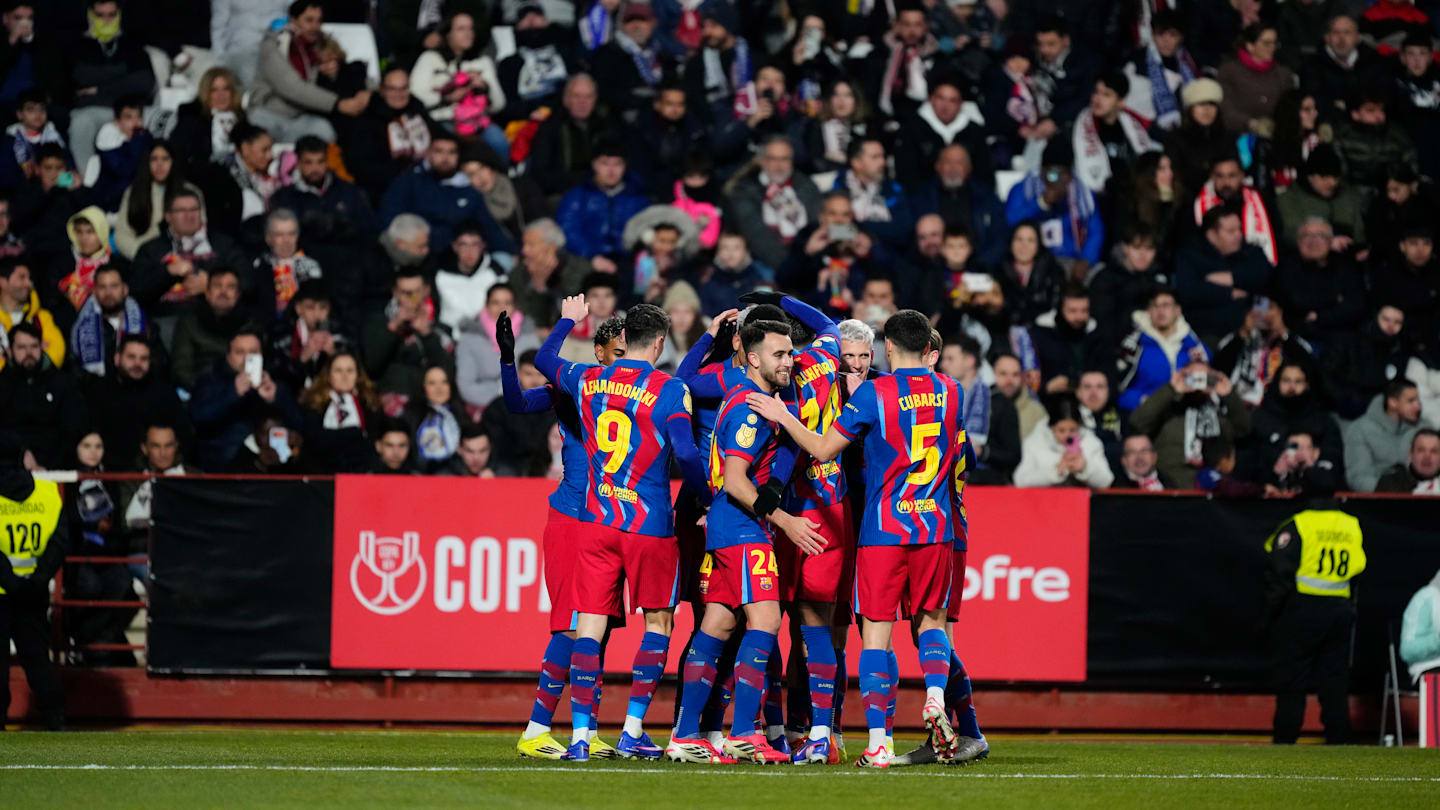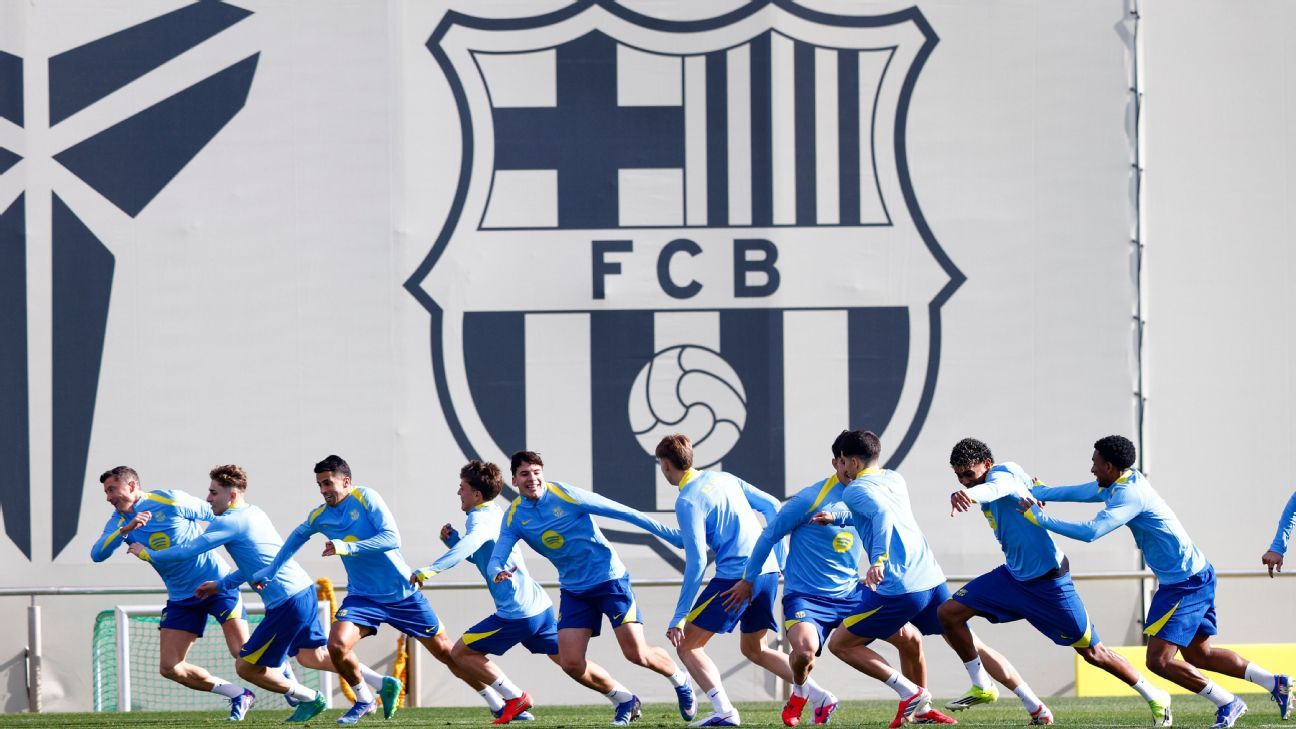
The upcoming football fixture between FC Barcelona and RCD Mallorca is set against a backdrop of differing team objectives and immediate squad considerations. For Barcelona, the match arrives as the club navigates a demanding period of competition, necessitating careful management of its player roster. Key offensive and midfield presences, Raphinha and Pedri, are confirmed absentees for the Saturday encounter due to injury. This situation underscores the perpetual challenge faced by elite football clubs in maintaining full squad availability throughout a rigorous season.
The absence of players integral to a team’s tactical structure, such as Raphinha and Pedri, requires strategic adjustments from the coaching staff. In professional football, managing player injuries extends beyond immediate treatment; it involves comprehensive medical and sports science departments working to optimize recovery protocols, prevent further complications, and ensure a safe return to play. These institutional structures are critical in mitigating the impact of player unavailability on team performance and maintaining competitive integrity over a protracted league and cup campaign.
Further reflecting the club’s systematic approach to player management, the decision has been made to rest midfielder Frenkie de Jong for the Mallorca match, while Casadó will be integrated into the squad. Such proactive measures are standard practice within high-performance sports organizations, designed to manage player fatigue, prevent potential overload injuries, and maintain peak physical condition across a demanding schedule that spans multiple competitions. Player load management is a sophisticated process, often involving sports scientists and medical professionals who monitor individual player data to inform coaching decisions on rest and rotation.
The integration of Casadó into the senior squad, alongside the coach’s commendation for Lamine Yamal, highlights the ongoing emphasis on youth development within established football institutions. Top-tier clubs consistently invest in their academy systems, recognizing them as vital pipelines for future talent. This strategy notCable not only provides depth to the senior squad but also cultivates a sustainable competitive advantage by nurturing players who understand the club’s philosophy and tactical approach from a young age. It exemplifies a long-term strategic perspective alongside immediate competitive needs.
For FC Barcelona, led by Flick, the immediate objective remains to consolidate its position at the apex of LaLiga. Being the sole leader signifies not only current on-field dominance but also reflects a period of strong institutional performance across various operational aspects. Maintaining a leading position in a top European league carries immense strategic importance, impacting financial revenues through broadcast rights and prize money, enhancing global brand visibility, and reinforcing the club’s attractiveness to potential sponsors and new talent. This consistent high performance is a cornerstone of a major club’s economic and sporting model.
Beyond domestic aspirations, Barcelona’s advancement to the Round of 16 in the UEFA Champions League introduces an additional layer of complexity and opportunity. Participation in continental competitions places significant physical and mental demands on a squad, requiring meticulous planning regarding travel, recovery, and tactical preparation for diverse opponents. Simultaneously, success in the Champions League is a powerful driver of global brand equity, significantly increasing media exposure and commercial opportunities, which are critical for sustaining the financial health and competitive standing of an elite club in the modern era.
Conversely, RCD Mallorca, under the stewardship of Jagoba Arrasate, enters the fixture with a distinctly different set of strategic imperatives: to secure points vital for escaping the relegation zone. The battle against relegation is an annual high-stakes contest in professional football leagues, where the financial and reputational consequences of dropping to a lower division are substantial. Relegation can lead to significant reductions in broadcast revenue, decreased sponsorship interest, and a potential exodus of key players, fundamentally altering a club’s operational capacity and future prospects. This existential pressure often dictates a more conservative or pragmatic tactical approach in matches.
The contrasting objectives of the two teams — Barcelona vying for a league title and continental glory, Mallorca fighting for top-flight survival — frame the institutional stakes of this particular match. Each fixture in a professional league contributes to a larger narrative of success or struggle, directly influencing club strategy, financial planning, and organizational morale. These outcomes are not merely statistical entries; they are fundamental drivers of a football club’s long-term sustainability and its ability to compete effectively within an increasingly globalized and commercialized sports industry.
The current period for FC Barcelona has been characterized as a “dream moment,” a descriptor that encapsulates strong on-field results coupled with potentially stable institutional operations. Such periods of success are often the culmination of effective strategic planning, robust financial management, astute player recruitment, and a coherent sporting philosophy implemented across all levels of the club. A “dream moment” for a major club translates into heightened fan engagement, positive media coverage, increased commercial opportunities, and a reinforced position within the global hierarchy of football clubs.
Ultimately, the reported facts regarding player availability, coaching decisions, and league standings for both FC Barcelona and RCD Mallorca illustrate the intricate strategic and operational dynamics inherent in elite professional football. Every decision, from managing player health to tactical deployment, is made within a complex institutional framework that balances immediate competitive outcomes with long-term organizational stability and growth. The match itself, therefore, is not an isolated event but a critical component within the continuous, high-stakes strategic evolution of two professional sports organizations.