The Shifting Dynamics of the Bundesliga Title Race
The competitive landscape of the Bundesliga is currently experiencing a discernible shift, marked by an emergent opportunity for Borussia Dortmund to narrow the points gap with the leading club, FC Bayern Munich. This development is a direct consequence of FC Bayern’s recent performance, specifically two consecutive matches without securing a victory, which has demonstrably introduced a heightened sense of tension into the ongoing championship campaign.
In the structured environment of a top-tier football league, such as the Bundesliga, the accumulation of points through consistent results is paramount. Any deviation from a winning trajectory by a frontrunner inevitably creates a window for chasing teams to gain ground, thereby recalibrating the overall league standings and intensifying the competitive pressure across the entire table. This dynamic underscores the continuous nature of a league season, where momentum can fluctuate significantly and directly influence championship prospects.
The introduction of “a hint of tension” into the title race extends beyond mere statistical adjustments; it profoundly impacts the league’s narrative, fan engagement, and media discourse. When the established dominance of a team like FC Bayern shows even minor vulnerability, it energizes rival clubs, amplifies media scrutiny, and heightens spectator interest, reflecting the cyclical ebb and flow of athletic performance and its significant impact on the sport’s overarching storyline and commercial appeal.
Key Fixtures and Strategic Managerial Focus
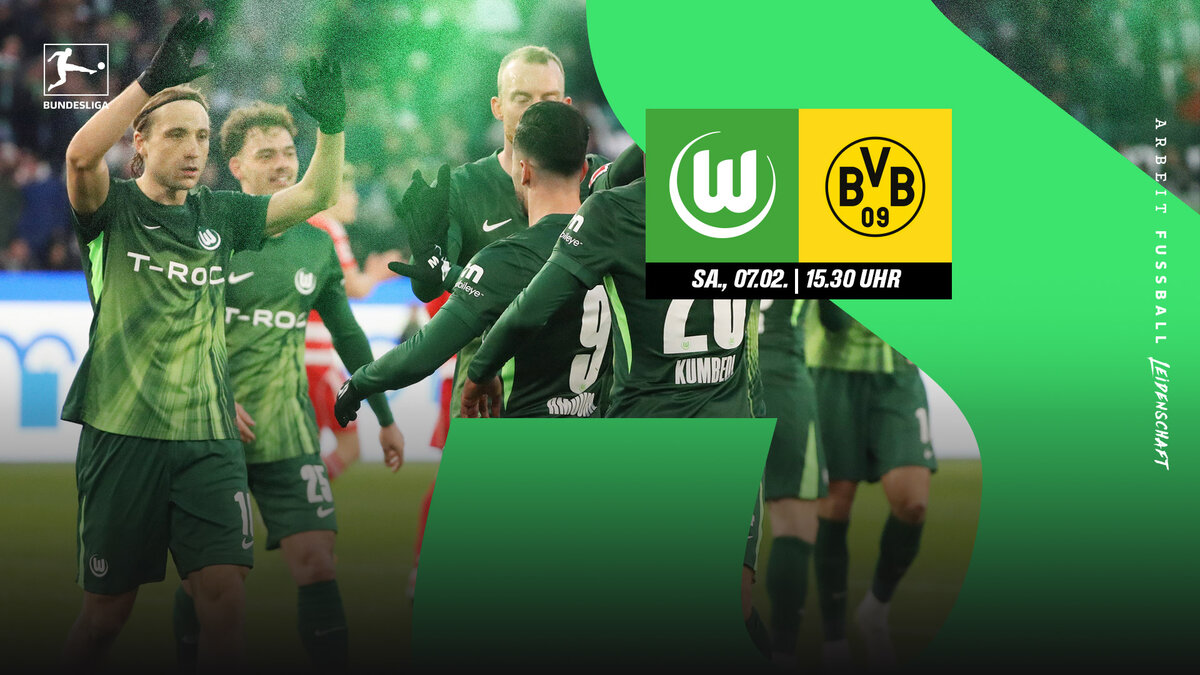
Anticipating the Wolfsburg vs. Dortmund Encounter
Within the broader context of the Bundesliga calendar, the scheduled fixture between Wolfsburg and Borussia Dortmund represents a standard yet strategically vital encounter. Each match within the league system contributes points that are critical for teams pursuing various objectives, ranging from championship contention, securing berths in European competitions, or consolidating their position to avoid relegation.
For Borussia Dortmund, this particular match against Wolfsburg carries amplified significance due to the aforementioned opportunity to reduce the deficit against the league leaders. Success in such fixtures is essential not only for accumulating points but also for building crucial team momentum and demonstrating a capacity to capitalize on competitive openings presented by other teams’ results.
Managerial Discourse and Strategic Communication
In the highly scrutinized world of professional football, public statements by managers are often carefully considered elements of a broader communication strategy. The remark attributed to Kompany, “Damit beschäftige ich mich nicht” (I am not concerned with that), in relation to Borussia Dortmund, exemplifies a common approach to managing external pressures and maintaining internal team focus.
Such statements can serve multiple strategic purposes. They may aim to deflect media attention, avoid engaging in competitive rhetoric that could motivate opponents, or simply underscore a manager’s commitment to concentrating solely on their own team’s immediate objectives and performance. This deliberate choice of language is integral to how football clubs manage public perception and internal stability.
Operational Changes and Digital Engagement in Football
The Introduction of a New Head Coach at Werder
The debut of a new head coach, specifically Thioune for Werder, signifies a pivotal administrative decision within the operational framework of a professional football club. Such a change typically indicates a strategic effort to revitalize team performance, introduce a fresh tactical philosophy, or address preceding unsatisfactory results. A managerial transition is a significant moment that influences various facets of club operations, from player morale to long-term strategic planning.
A coaching debut often initiates a period of adjustment for the entire squad and technical staff as new systems and expectations are introduced. This phase is characterized by intense scrutiny from both the club’s administration and the external media, as stakeholders observe how the new leadership integrates with the existing team structure and how their initial tactical decisions translate into on-field performance. This highlights the dynamic nature of club management in response to competitive demands.
Real-time Information and Fan Accessibility: The Matchcenter
The provision of a “Matchcenter” for live updates regarding the Dortmund match illustrates the continuing evolution of sports media and fan engagement strategies. These digital platforms are designed to deliver comprehensive, real-time information, ensuring that supporters, regardless of their geographical location, can follow every significant development, including goals, opportunities, and crucial game scenes.
Such digital tools are indispensable in the modern sports landscape, reflecting a shift towards immediate, multi-platform content delivery. They serve to centralize live event data, enhancing the fan experience by providing accessible and detailed coverage. This approach aligns with broader trends in digital connectivity, making sports consumption more interactive and inclusive for a globally dispersed audience.
Editorial Synthesis: Structural Significance in Professional Football
The documented facts, encompassing shifts in the Bundesliga title race, specific club fixtures, managerial communication, coaching changes, and digital fan engagement tools, collectively underscore the intricate and dynamic nature of professional football. These individual components are not isolated occurrences but rather integral parts of a larger, interconnected system that defines the sport at its highest levels.
The ebb and flow of a championship contest, influenced by the performance of leading clubs, highlight the fundamental competitive integrity of the league structure. Each match, each strategic managerial decision, and each administrative change contributes to the overall health and appeal of the competition. They reflect the continuous strategic adjustments clubs make in pursuit of success within a highly competitive ecosystem.
Furthermore, the evolution of media consumption, as exemplified by dedicated Matchcenters, demonstrates the adaptive strategies employed by the sport to maintain and expand its audience in a digitally connected world. These elements combined illustrate that professional football is a complex interplay of athletic performance, sophisticated institutional management, strategic media engagement, and an evolving relationship with its global fanbase.
Understanding these aspects provides insight into why individual sporting events and declarations hold significance beyond their immediate context, resonating within the broader institutional, strategic, and cultural layers of the sport. It is this multi-layered interaction that continually defines and propels the professional football industry forward.