Navigating Winter Disruptions: The Operational Complexities of Public School Systems
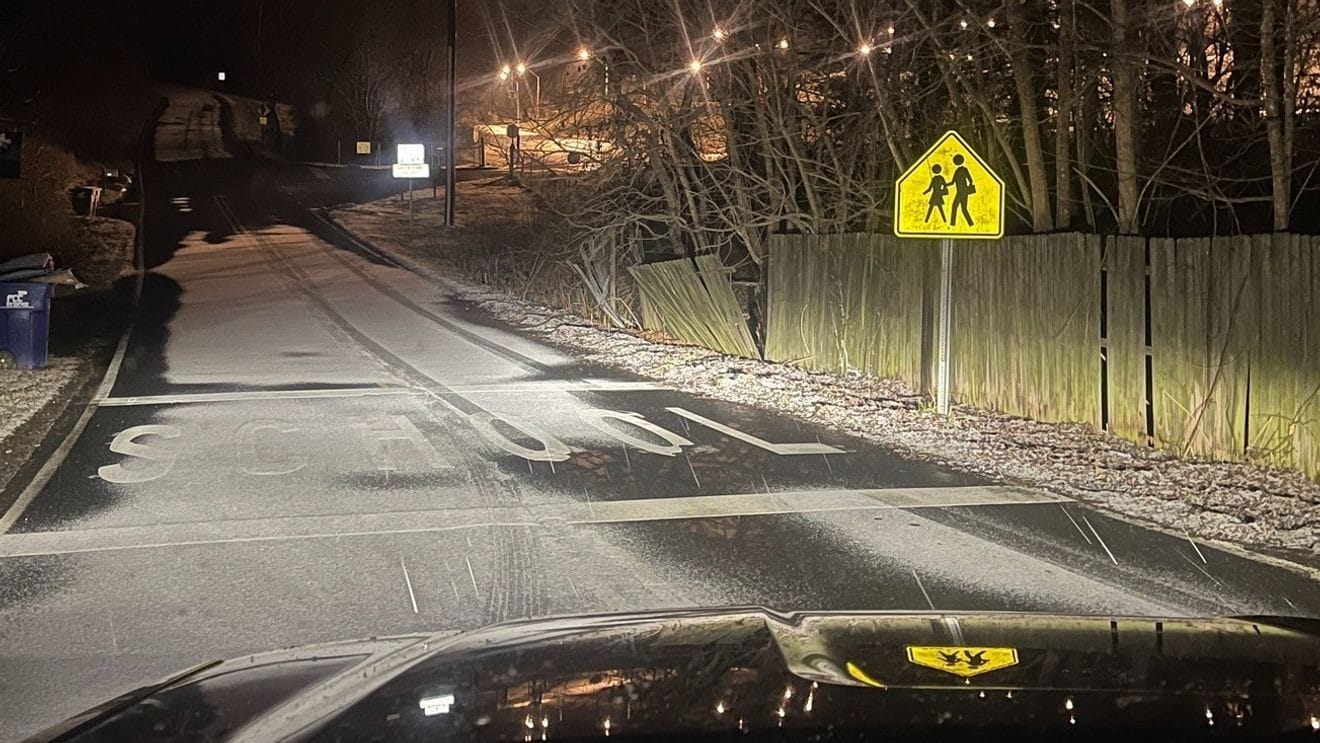
Recent reports from Buncombe County, North Carolina, and its city of Asheville indicate that local school districts faced significant operational challenges due to winter weather conditions. Both Buncombe County Schools and Asheville City Schools announced unexpected schedule changes, including closures and early dismissals, in response to early snow, cold temperatures, and concerns over icy roads. These decisions, while prioritizing safety, reportedly led to expressions of frustration among some parents in Buncombe County.
Such incidents underscore the intricate administrative and logistical frameworks governing public education. They highlight the constant tension between maintaining instructional continuity and responding effectively to immediate environmental hazards, particularly those that threaten the safety of students and staff within a large, interconnected system.
Institutional Mandates and Safety Protocols in Public Education
At the core of every public school system’s operation is a fundamental dual mandate: to deliver comprehensive educational instruction and to ensure the paramount safety and well-being of its student population and employees. This intrinsic responsibility dictates a structured approach to unforeseen circumstances, especially those related to severe weather, where physical hazards are pronounced and widespread.
The administrative process for assessing weather-related risks is typically multi-faceted, involving a meticulous review of meteorological forecasts provided by regional weather services. This data is cross-referenced with real-time ground assessments of local road conditions, often conducted by district personnel or through collaborative efforts with municipal and county public works departments, including those responsible for road maintenance and emergency services.
These assessments specifically target the navigability of bus routes, the safety of student drop-off and pick-up zones, and the general accessibility of school campuses for staff and students traveling by various means. The primary objective is to evaluate the potential for hazards such as black ice, heavy snowfall, or rapidly deteriorating conditions that could compromise transportation safety.
Student transportation, particularly the operation of school buses across extensive geographical areas, represents one of the most critical logistical considerations in these decisions. Ensuring the secure transit of thousands of students, many of whom are young or require special accommodations, is an overriding imperative that often takes precedence over all other operational aspects.
Therefore, decisions pertaining to school closures, delayed starts, or early dismissals are predominantly driven by an unwavering commitment to mitigate the risk of accidents and to guarantee the safest possible environment for every individual within the school community. This commitment reflects a deeply embedded institutional value that prioritizes human safety above schedule adherence.
Operational Logistics and Community Interdependencies
The implementation of sudden schedule alterations within a school district initiates a cascade of extensive logistical challenges that extend far beyond the immediate disruption of classroom instruction. These operational complexities encompass critical support functions essential to the daily functioning of the educational system, requiring rapid adjustments across multiple departments.
Primary among these challenges is the re-routing and rescheduling of student transportation services, which involves coordinating a fleet of buses and drivers to safely navigate altered conditions or to execute an expedited dismissal process. Such changes demand precise timing and communication to ensure every student reaches their designated safe destination.
Furthermore, school nutrition programs, which provide vital meals to many students, must rapidly adapt to unexpected closures or altered schedules. This can involve managing perishable inventory, reconfiguring meal service plans, and potentially coordinating with community partners to address food security needs, particularly for students reliant on school meals.
The deployment of thousands of staff members—including teachers, administrators, and support personnel—also requires immediate adjustment. Ensuring that staff can safely arrive at school or depart in a timely manner is crucial for maintaining operational integrity and supporting student welfare during transitional periods.
Beyond the immediate institutional scope, the ripple effects of school schedule disruptions permeate deeply into the wider community. School calendars are foundational to the daily routines of countless families, intricately linked to parental work schedules, childcare arrangements, and family logistics. When schools close unexpectedly or dismiss early, these established structures are severely impacted.
This interdependence means that unanticipated changes can impose significant logistical burdens on working parents, who must often rapidly secure alternative childcare, adjust their own professional commitments, or even take unplanned leave. Such circumstances directly contribute to the expressions of frustration observed among parents, highlighting the profound social and economic implications of educational operational decisions.
Effective and timely communication protocols are therefore paramount for school districts during these periods of uncertainty. Robust systems for disseminating critical information—via official websites, automated calls, text messages, and local media alerts—are indispensable tools for keeping parents, guardians, and staff informed, thereby mitigating confusion and managing community expectations.
Policy Frameworks and the Exercise of Administrative Discretion
Decisions surrounding school operations during adverse weather are not made in a vacuum; they are informed and guided by a comprehensive array of policy frameworks, both at the state and local levels. These policies typically delineate the parameters for school calendars, establish minimum instructional hour requirements, and outline standardized procedures for responding to emergency situations, including weather-related closures.
Such frameworks are designed to ensure consistency and equity in educational provision across jurisdictions while simultaneously affording local school administrations the necessary flexibility to respond to unique, localized conditions. The balance between state-mandated consistency and local autonomy is a critical aspect of public education governance.
Within these established guidelines, significant administrative discretion is exercised by district leadership, most notably by superintendents and their executive teams. These leaders are entrusted with the responsibility of synthesizing diverse data points—ranging from meteorological predictions and real-time road reports to transportation logistics and community feedback—to make time-sensitive judgments.
The decisions made under such circumstances are complex, often requiring superintendents to weigh multiple, sometimes conflicting, priorities. The desire to preserve educational continuity and minimize disruption to instructional time must be meticulously balanced against the absolute imperative of safeguarding the physical safety and well-being of all students and staff members.
This process of balancing competing demands represents a nuanced and often challenging facet of public administration. It requires not only a thorough understanding of operational capabilities and environmental conditions but also a deep appreciation for the community impact of such decisions. The ultimate objective is to make the most responsible choice given the available information and the overarching safety mandate.
These scenarios vividly illustrate the inherent difficulties in managing public services in dynamic and unpredictable environments. Administrators must navigate a landscape where environmental factors, logistical constraints, and community expectations converge, demanding decisive leadership and a robust decision-making framework to ensure both institutional efficacy and public trust.
The Structural Significance of Weather-Related Disruptions in Public Services
The localized disruptions reported in Buncombe County and Asheville extend beyond isolated incidents; they serve as a potent illustration of the broader systemic challenges inherent in managing essential public services, particularly education infrastructure, in the face of unpredictable environmental variables. These events highlight the intricate interdependencies that characterize modern community ecosystems.
Structurally, public education systems operate not in isolation, but as highly integrated components within a complex web of local government services, community support networks, and family life. Decisions made by school districts, such as those concerning weather-related closures, have profound ripple effects that resonate throughout this entire fabric, impacting municipal operations, local economies, and individual household stability.
The reported frustrations from parents, while specific to the local context of Buncombe County, are indicative of a more universal tension. This tension exists between the institutional demands for predictable, continuous service delivery and the practical, often immediate, needs and constraints of individual families and the wider workforce. It underscores the critical role schools play as fundamental anchors within their communities.
Moreover, these incidents provide a valuable lens through which to examine the resilience and adaptability of public institutions. They compel an assessment of existing emergency planning protocols, communication strategies, and the capacity of administrative structures to pivot rapidly in response to unforeseen events while maintaining core operational integrity.
The continuous need for public service entities to develop and refine adaptive strategies is paramount, ensuring that both safety and equitable access to essential services, such as education, can be maintained even amidst environmental volatility. This requires ongoing investment in infrastructure, robust communication technologies, and flexible policy frameworks.
Ultimately, such events offer critical insights into the continuous negotiation required to balance public safety imperatives with the societal expectation of uninterrupted service. They illuminate the profound connections between environmental conditions, administrative decision-making, and the daily lives of citizens, underscoring the enduring significance of responsive and resilient public governance.