The Emergence of Parallel Cultural Programming in Major Media Events
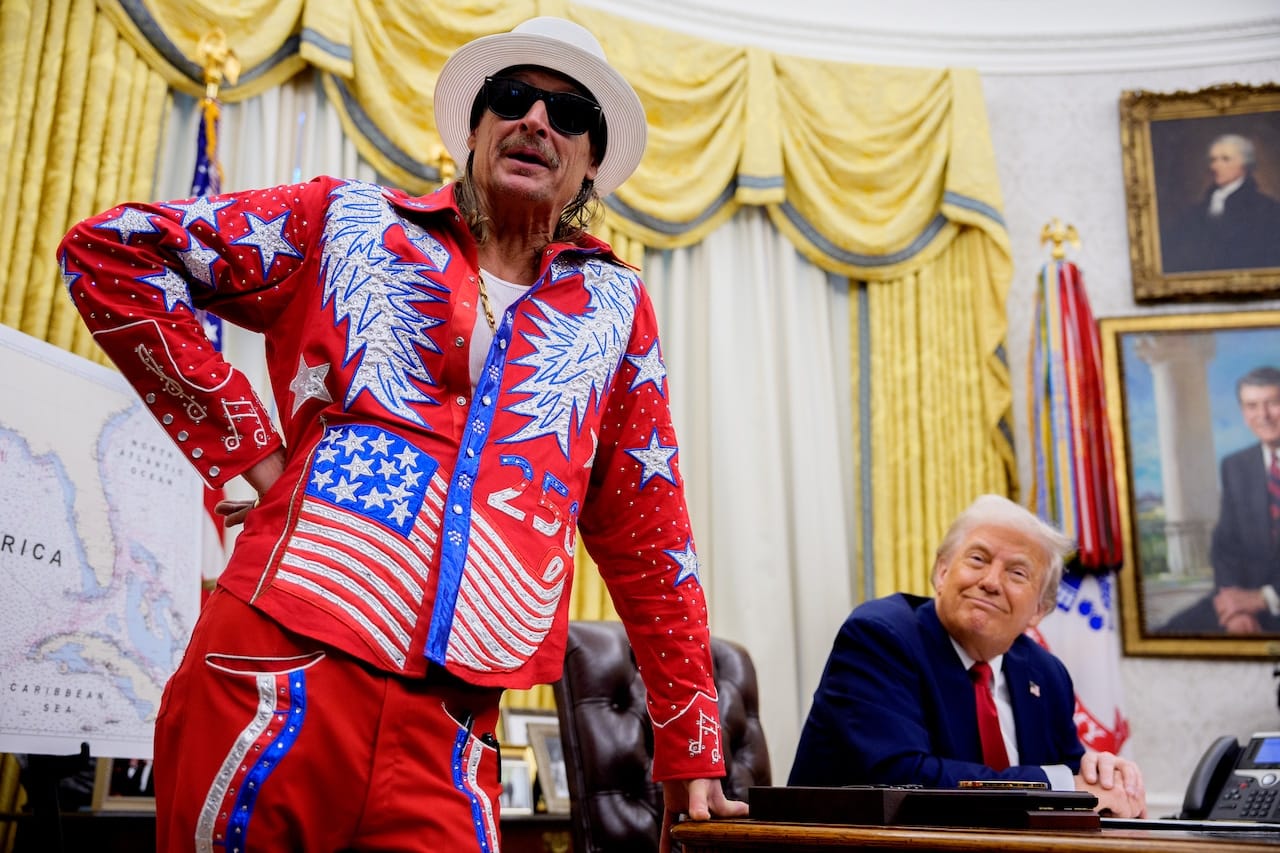
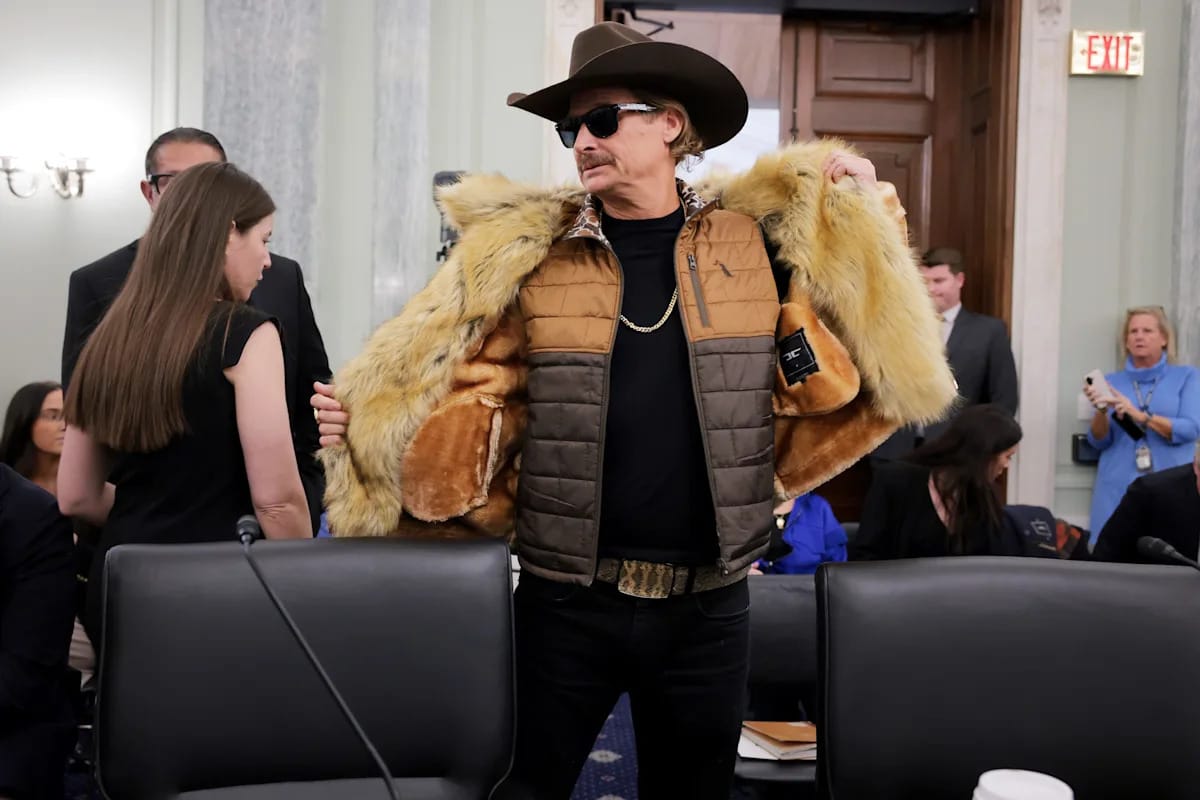
The upcoming Super Bowl 60 is slated to present a distinct dual-halftime show format, marking a significant evolution in the landscape of major cultural event broadcasting. This arrangement involves the National Football League’s (NFL) traditional performance, headlined by Bad Bunny, alongside an alternative halftime show organized by Turning Point USA (TPUSA), featuring Kid Rock. This parallel programming initiative illuminates dynamic shifts in media consumption patterns, audience engagement strategies, and the structural complexities inherent in high-visibility national events.
The existence of a parallel halftime show signifies a departure from the singular, monolithic cultural programming typically associated with events of the Super Bowl’s magnitude. The NFL’s traditional halftime show operates within a well-established institutional framework, characterized by expansive corporate sponsorships, a focus on mass market appeal, and distribution through conventional broadcast networks. This model aims to consolidate a broad audience, reflecting a consensus-driven approach to popular entertainment designed for wide, general consumption. It relies on the aggregated power of traditional media channels to reach the broadest possible demographic, thereby maximizing advertising revenue and cultural omnipresence. In contrast, an “alternative” show, such as the one being mounted by TPUSA, strategically positions itself outside or against this established structure. This deliberate counter-programming effort suggests an intent to cater to specific demographics or cultural segments that may perceive themselves as underserved or unrepresented by mainstream offerings. Such initiatives are indicative of a broader trend within the media ecosystem where entities seek to create bespoke cultural products, thereby leveraging the immense visibility of a major national event to amplify their distinct organizational messaging and brand identity to targeted audiences, often reinforcing existing cultural or ideological divides.
Strategic Underpinnings of Independent Broadcast Initiatives
Turning Point USA’s decision to organize this independent event, specifically noting its reliance on streaming distribution, represents a contemporary media strategy with profound structural implications. Digital streaming platforms provide organizations with unprecedented capabilities to bypass traditional broadcast gatekeepers, which historically controlled access, editorial lines, and content standards for vast audiences. This shift enables direct-to-audience content dissemination, granting organizations greater autonomy over their narrative and presentation. From an institutional perspective, this model offers a distinct advantage: the cultivation of niche audiences and the direct articulation of an organization’s cultural or political perspectives through a high-profile entertainment vehicle, without the potential for external editorial intervention common in traditional media partnerships. Economically, streaming platforms facilitate diverse monetization strategies beyond conventional advertising, such as subscriptions or direct donations, and enhance direct engagement metrics, offering a different value proposition compared to traditional broadcast models. This structural bypass allows for a more tailored content experience, albeit one that contributes to the ongoing fragmentation of public discourse.
Public Discourse and Performer Selection in High-Profile Engagements
The selection of headliners for these respective shows further underscores the strategic differentiation at play. Bad Bunny, as the artist for the NFL’s traditional halftime, represents a global contemporary appeal, aiming for widespread popularity and cultural relevance across diverse demographics. His choice aligns with a strategy of broad market penetration and appeal to a globally connected, younger demographic. Conversely, the announcement of Kid Rock as the headliner for the TPUSA event, along with his public commentary, particularly a “dig” directed at Bad Bunny’s anticipated “dance party” performance, highlights a deliberate rhetorical strategy. This statement can be interpreted as an intentional effort to frame the two events in direct opposition, using specific cultural signifiers to delineate distinct artistic styles, target audiences, and potentially underlying values. Such public pronouncements serve to position the alternative event as a deliberate counterpoint, appealing to an audience potentially seeking a different cultural aesthetic and signaling a competitive dynamic within the broader entertainment and media landscape. This practice reflects a sophisticated understanding of audience segmentation and the strategic use of artist persona to reinforce organizational branding and message resonance in a highly competitive media environment.
Reputational Scrutiny and Public Figure Associations
The heightened public scrutiny surrounding such high-profile engagements is further exemplified by reports indicating the resurfacing of claims regarding a song by Kid Rock that addresses themes involving “underage girls.” This development highlights the continuous public vetting and media examination that public figures undergo, particularly when they become associated with major cultural events that draw immense public attention. The re-entry of past controversies or historical allegations into public discourse underscores the inherent reputational risks for organizations that choose to collaborate with personalities possessing extensive public profiles. Such situations necessitate rigorous public relations management, which includes proactive crisis communication planning, strategic stakeholder engagement, and clear, consistent messaging to uphold brand integrity. It is crucial to reiterate that these are claims and allegations as reported in associated media discourse, and within the context of the provided source material, they do not constitute judicial findings or established legal facts. The public discussion around such claims reflects the constant societal expectation of accountability for individuals in the public eye, and the significant challenges faced by institutions in managing the public perception of their affiliations in an era of instant information recall.
Media Commentary and the Broader Cultural Landscape
Furthermore, the public criticism directed at the alternative halftime show, notably from figures like Michael Kosta, provides additional context to this initiative within the broader media landscape. Such commentary is not merely subjective opinion; rather, it represents a facet of the media’s institutional role in public discourse. Critical reception, whether from journalists, pundits, or entertainers, reflects and influences public opinion, contributing to the overarching narrative surrounding high-visibility cultural events and their strategic underpinnings. This dynamic demonstrates that attempts at alternative programming do not exist in a vacuum but are immediately integrated into a complex web of media interpretation, debate, and social commentary. It also highlights the contentious nature of cultural production and consumption in an era marked by increased ideological and cultural polarization, where distinct media entities actively shape and react to public sentiment.
Institutional Implications and the Evolving Media Ecosystem
In summation, these documented events collectively illustrate several pivotal institutional and structural transformations within the contemporary media and cultural landscape. The strategic creation of parallel programming during a major national event reflects an advanced stage of audience fragmentation and the growing imperative for diverse organizations to establish and control their own media platforms. This phenomenon is significantly propelled by technological advancements in streaming, which provide the means for direct-to-consumer content delivery and enable organizations to precisely target and engage specific demographics. Consequently, the meticulous selection of talent, the sophisticated management of associated reputational risks, including proactive crisis communication strategies, and the adept navigation of an often-contentious public discourse become paramount to the efficacy and impact of such ventures. This evolution challenges the traditional models of media aggregation and centralized cultural authority, suggesting a future where a multiplicity of entities will increasingly contend for public attention during peak cultural moments through innovative and often differentiated content offerings. The interplay of institutional strategy, technological enablement, public scrutiny, and cultural positioning defines this evolving ecosystem, reshaping how major events are produced, consumed, and understood in a fragmented yet interconnected global environment.