2026 Transylvania Open Set to Feature Kaja Juvan and Emma Raducanu
The upcoming 2026 Transylvania Open, a professional tennis tournament, will see Kaja Juvan participating in the first round. Juvan is scheduled to face Elena Ruxandra Bertea in a keenly anticipated opening match.
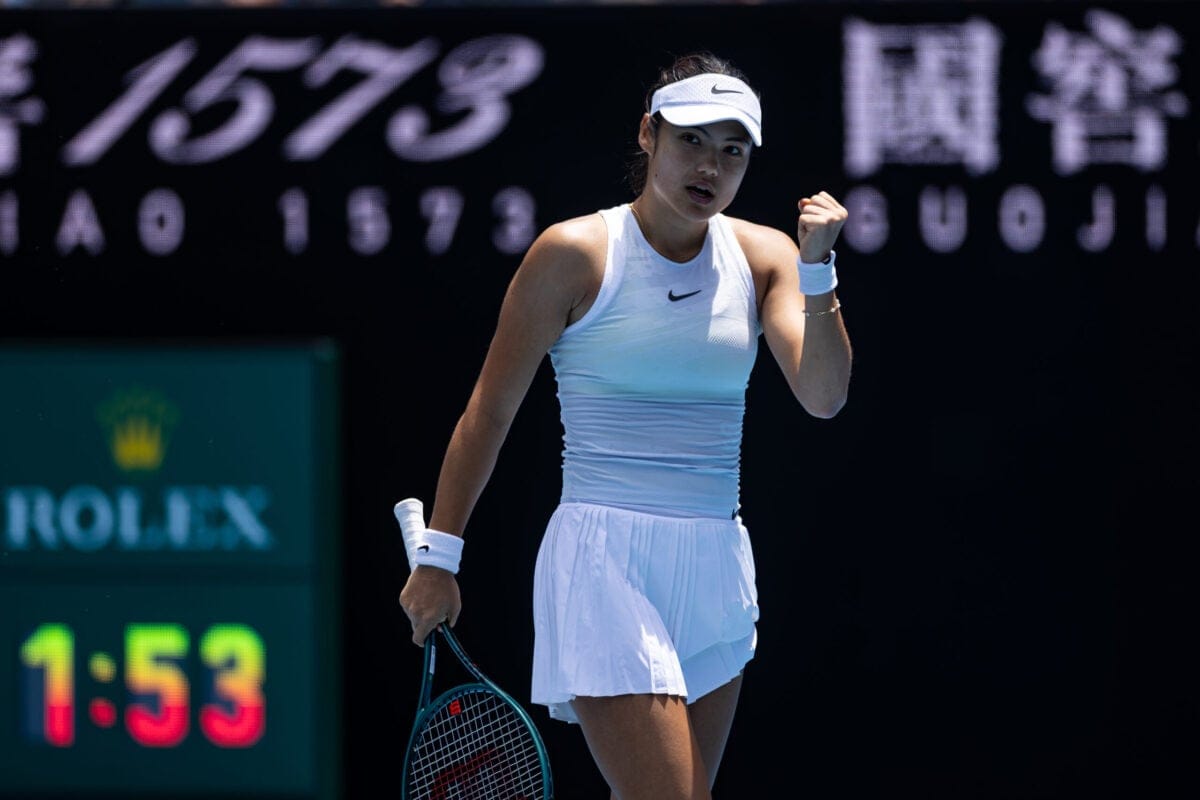
The tournament’s Day 2 schedule also includes notable matches, with Emma Raducanu, the event’s top seed, making her return to play. Raducanu’s first match since her recent professional split will be against the experienced player Greet Minnen. This matchup is highlighted as an interesting contest, placing the top seed against a seasoned competitor.
Tournament Structure and Player Seeding
The Transylvania Open operates within the framework of professional tennis tours, which are structured events governed by international bodies like the Women’s Tennis Association (WTA). These organizations establish rules for competition, including player rankings, tournament seeding, and eligibility criteria. Seeding is a critical administrative process designed to ensure that top-ranked players are strategically placed throughout the tournament draw, thereby reducing the likelihood of them meeting in the early rounds.
Emma Raducanu’s designation as the top seed signifies her current standing within the WTA’s ranking system. This position affords her a preferential draw, meaning she is expected to face lower-ranked opponents in the initial stages of the competition, provided she advances. The administrative implications of seeding extend to match scheduling and venue allocation, aiming to provide the most compelling matchups as the tournament progresses.
Player Progression and Professional Context
The participation of players like Kaja Juvan and Elena Ruxandra Bertea in the first round underscores the competitive nature of professional tennis. Each match represents a step in a player’s ongoing career progression, influenced by factors such as performance metrics, ranking points, and strategic tournament selection. The WTA tour provides a structured environment where players aim to accumulate points and improve their rankings through consistent performance across various events.
Emma Raducanu’s situation highlights the personal and professional dynamics that can influence an athlete’s career. A player’s decision to split with a coach, as mentioned, is an administrative and strategic choice that can impact their performance and preparation. Such decisions are often made to optimize training, improve strategy, or address specific performance challenges, reflecting the complex management required at the elite level of professional sports.
Matchups and Competitive Landscape
The preview of the Elena Ruxandra Bertea vs. Kaja Juvan match, along with Emma Raducanu’s encounter with Greet Minnen, illustrates the competitive landscape of a WTA event. Each match presents unique tactical and psychological challenges. The outcome of such matches contributes to a player’s overall career trajectory and influences their standing within the sport’s institutional hierarchy.
The role of veteran players like Greet Minnen is significant within the tournament structure. Experienced competitors often bring a wealth of knowledge and tactical adaptability, posing a considerable challenge even to highly-ranked opponents. This dynamic demonstrates the layered competitive environment within professional tennis, where experience can be a decisive factor alongside raw talent and current form.
The Transylvania Open: Institutional Significance
The Transylvania Open, as an event on the WTA tour, serves as a platform for players to compete for ranking points, prize money, and ultimately, prestige. The organizational structure of such a tournament involves numerous administrative facets, including event management, marketing, sponsorship acquisition, and adherence to WTA regulations. Successful execution of these functions is crucial for the tournament’s standing and its ability to attract top-tier talent.
The scheduling of matches, such as placing Raducanu’s contest on Day 2, is part of the tournament’s operational plan. This planning aims to maximize spectator interest and media coverage, often by strategically placing prominent players’ matches on specific days or at prime times. Such decisions are informed by broadcast rights agreements and promotional strategies designed to enhance the event’s commercial viability and public profile.
Player Representation and Professional Pathways
The mention of Kaja Juvan and Elena Ruxandra Bertea competing signifies the ongoing participation of diverse athletes within the professional tennis ecosystem. Each player navigates their career path through a combination of on-court performance and off-court professional management, which often includes representation by agents or management firms. These entities play a crucial role in securing tournament opportunities, negotiating contracts, and managing endorsements.
The professional pathway for tennis players is rigorously structured by governing bodies. It involves a progression through junior circuits, lower-tier professional events, and ultimately, participation in major tournaments like the Transylvania Open. Success at each level is contingent upon consistent performance, strategic career planning, and adaptation to the evolving demands of the sport.
Media Coverage and Public Perception
The reporting on matches and player developments, such as Emma Raducanu’s situation, contributes to the public perception of the sport and its athletes. Media outlets play a crucial role in disseminating information about tournaments, player form, and significant career events. The narrative surrounding a player’s return or a challenging matchup is shaped by journalistic reporting and expert analysis, influencing fan engagement and broader interest in the sport.
The mention of “expert analysts” offering sports betting tips in the context of tournament previews indicates a commercial layer associated with professional sports. This facet involves data analysis, performance prediction, and market engagement, operating within regulated frameworks for sports wagering. Such analysis often draws upon detailed statistics and historical performance data, presented within the broader context of the sport’s competitive structures.
Institutional Framework of Professional Tennis
The WTA tour functions as a professional sports league, requiring a robust institutional framework. This framework encompasses regulatory bodies, tournament organizers, player associations, and media partners, all collaborating to maintain and grow the sport. The administrative and policy decisions made by these entities directly influence player opportunities, competition integrity, and the commercial success of events.
The Transylvania Open is one of many events that constitute the WTA calendar. The placement and organization of these events are strategic, designed to create a balanced schedule that allows players to compete globally while managing their physical and competitive demands. The aggregate of these tournaments forms the basis for the WTA rankings, which in turn dictate player eligibility and seeding for future events.
Strategic Career Management for Elite Athletes
Emma Raducanu’s situation, specifically her recent professional split, exemplifies the strategic career management required at the highest levels of sport. Athlete performance is not solely dependent on physical prowess but is also heavily influenced by the support team, training regimens, and tactical approaches. Decisions regarding coaching staff and other key personnel are often pivotal, reflecting a structured approach to optimizing performance and longevity in a demanding professional environment.
The journey of a tennis player involves continuous adaptation. Factors such as the evolution of playing styles, advancements in sports science, and the competitive pressures from emerging talent necessitate ongoing strategic adjustments. The management of these elements is a core function for professional athletes and their support teams, aimed at sustaining success and navigating the cyclical nature of athletic careers.
The Role of Competition in Player Development
The competitive environment of tournaments like the Transylvania Open is fundamental to player development and the overall health of professional tennis. Each match, whether against a seeded opponent or an emerging talent, provides valuable experience and data points for players and their coaching staff. This continuous cycle of competition and analysis drives improvement and shapes player trajectories.
The structure of professional tennis allows for a broad spectrum of talent to compete. From established stars to rising players aiming to make their mark, the tour provides a meritocratic platform. The outcomes of matches, while significant for individual careers, also contribute to the narrative and evolving landscape of the sport, influencing fan engagement and commercial partnerships.