Winter Storm Looms Over Eastern U.S.
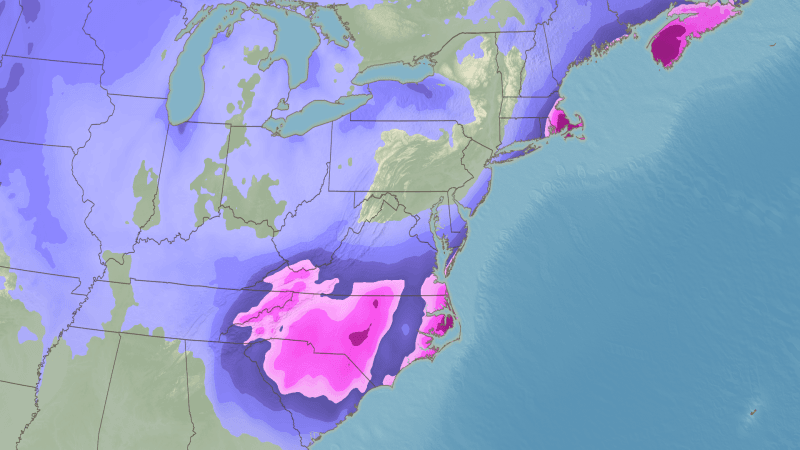
A significant winter storm is developing off the Southeast coast, threatening to bring substantial snow and strong winds to the region this weekend. The storm’s trajectory and intensity mean that parts of the Northeast could also experience winter weather impacts, ranging from a glancing blow to significant snowfall.
The system is rapidly strengthening, a phenomenon often associated with bomb cyclones, which are characterized by a dramatic drop in atmospheric pressure over a short period. This rapid intensification suggests a potent weather event.
Southeast on Alert
All eyes are on the potential for this storm to impact areas from the Carolinas southward. Forecasts indicate a high likelihood of snow and gusty winds, posing risks for travel and infrastructure.
The combination of snow and strong winds can lead to blizzard-like conditions in some areas, disrupting daily life and potentially causing power outages. Residents in the affected regions are being advised to monitor weather updates closely and prepare for hazardous conditions.
Northeast Faces Uncertainty
While the Southeast appears to be the primary target, the Northeast is also bracing for potential weather disruptions. The exact track of the storm will determine the severity of its impact on these northern states.
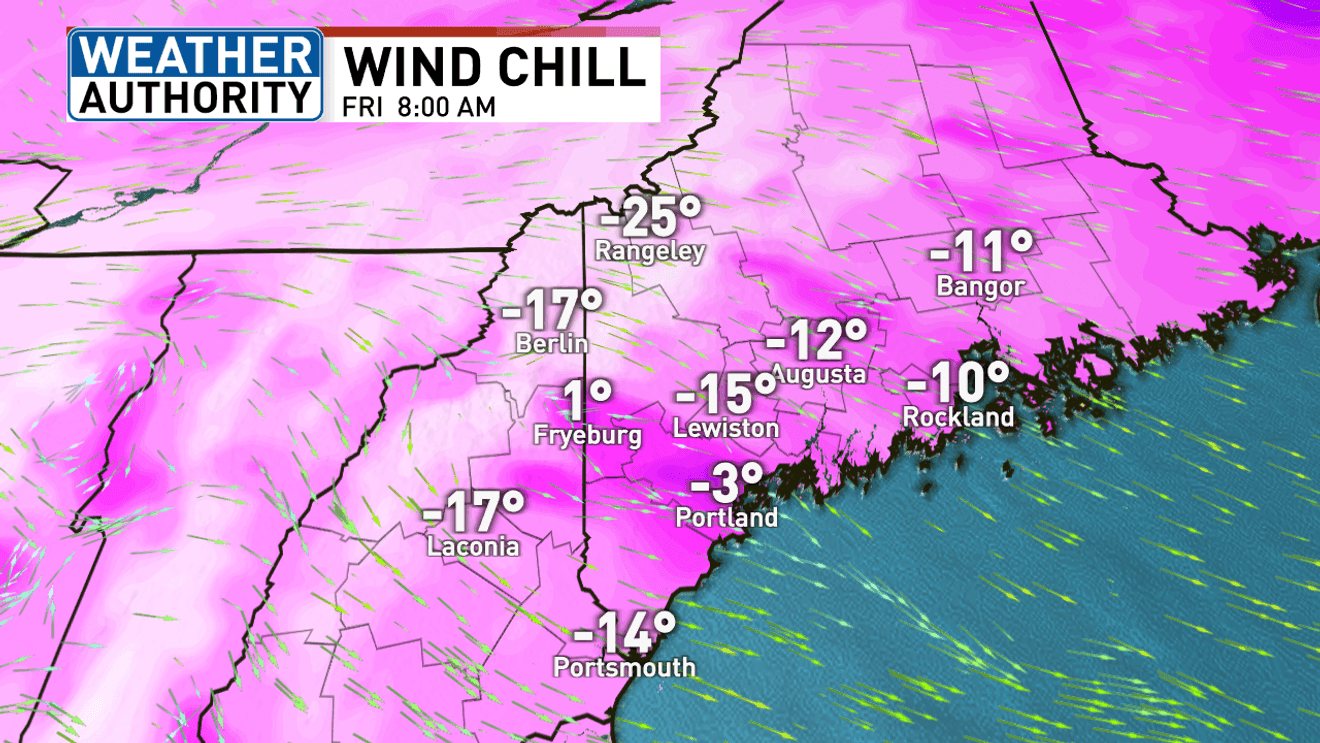
Some projections suggest a glancing blow, meaning lighter snow or less severe conditions. However, other models indicate the possibility of a more significant snowfall, especially along coastal areas like Maine, where wind is also a concern.
Why This Matters: The Broader Context of Winter Weather
The development of such storms highlights the volatile nature of winter weather patterns in the Eastern United States. These systems can form rapidly and deliver powerful impacts, underscoring the importance of robust forecasting and preparedness measures.
For regions accustomed to winter precipitation, this storm adds to an ongoing pattern of weather extremes. For areas less frequently hit, it serves as a reminder of the potential for severe weather events, regardless of typical climate patterns.
The economic implications are also considerable. Disruptions to transportation networks, including air and road travel, can lead to significant delays and financial losses. Businesses may face closures, and the energy sector could be strained by increased demand and potential damage to infrastructure.
Looking Ahead: Preparedness and Future Trends
As this storm approaches, the focus will shift to preparedness. Local authorities will be issuing warnings, and residents will be urged to secure supplies, check on vulnerable neighbors, and stay informed about road conditions.
Meteorologists will continue to refine forecast models, providing the most accurate information possible to aid in these preparations. The ability to anticipate and respond to such events is crucial for minimizing their impact on communities.
The frequency and intensity of winter storms are subjects of ongoing scientific study, influenced by complex atmospheric and oceanic factors. Understanding these dynamics is key to long-term planning for climate resilience.
The upcoming weekend’s storm will not only test the immediate preparedness of affected areas but also contribute to the broader understanding of seasonal weather phenomena and their potential evolution.
Travel plans may need to be adjusted, and outdoor activities could be canceled. The impact on supply chains, particularly for perishable goods, is also a consideration during such severe weather events.
The electrical grid’s resilience will be tested, especially if high winds accompany heavy snowfall. Power restoration efforts can be hampered by the ongoing storm conditions, prolonging outages.
Coastal communities may face additional challenges from storm surge and strong onshore winds, exacerbating any flooding issues.
The rapid strengthening observed in this storm system is a critical factor for forecasters. It demands constant vigilance and the ability to communicate evolving threats effectively.
The economic toll of such events can be significant, impacting not just direct damage costs but also lost productivity and increased demand for emergency services.
For individuals, this means heeding official advice, ensuring homes are adequately heated and supplied, and avoiding unnecessary travel during the peak of the storm.
The science behind these storms involves the interaction of cold air masses with moisture-rich oceanic environments. Understanding these specific conditions is vital for accurate prediction.
The potential for a bomb cyclone adds another layer of complexity, as these systems can generate powerful winds and precipitation bands that are difficult to forecast with precision days in advance.
The impact on agriculture in the affected regions is also a factor, with potential damage to crops and livestock if not adequately protected.
Public safety remains the paramount concern, and authorities will be working to ensure emergency services are prepared and accessible.
The long-term implications of such weather events are part of broader discussions on climate adaptation and resilience strategies.
The storm’s development is being closely monitored, with updates expected to guide public awareness and safety measures throughout the weekend.