Delaware Braces for Blizzard: Governor Imposes Driving Curbs
As the skies over Delaware began to thicken with an ominous gray, hinting at the blizzard to come, a palpable hush fell across the state. Residents scurried to grocery stores for last-minute supplies, shovels were retrieved from sheds, and a collective sense of anticipation, familiar to those in the Mid-Atlantic region, settled in. This quiet preparation underscored the gravity of the official announcements that would soon reshape daily life.
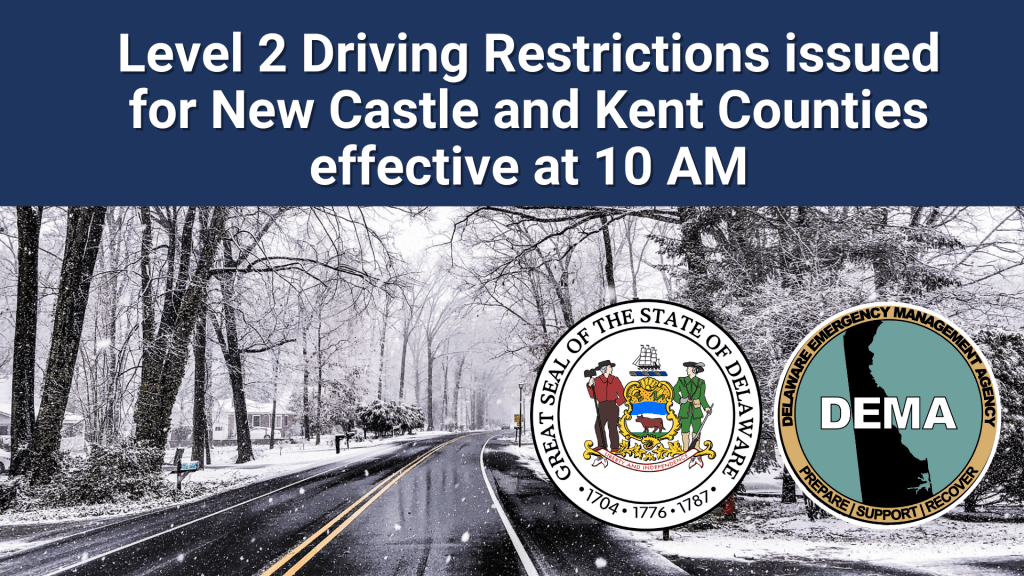
In response to the escalating winter weather threat, Governor Matthew Meyer moved swiftly. He issued a Level 2 Driving Restriction for the densely populated New Castle County and the centrally located Kent County, effective at 10:00 AM on Monday, January 26, 2026. Simultaneously, a Level 1 Driving Warning was maintained for Sussex County, signaling a widespread, yet geographically nuanced, approach to public safety.
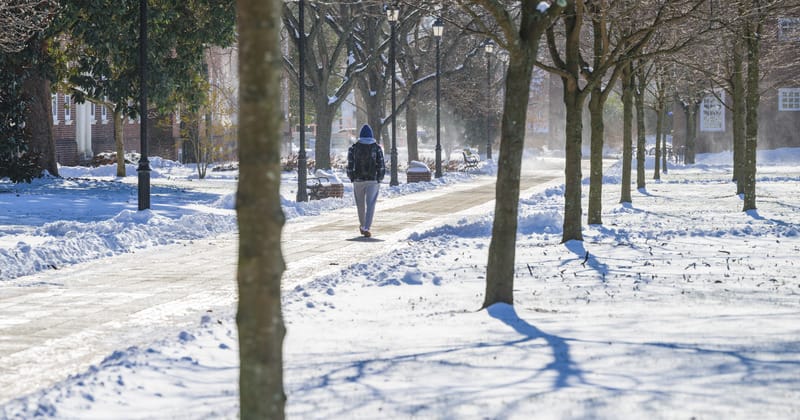
Further exacerbating the disruption, the impending snowstorm forced the closure of all State of Delaware government offices across all three counties for Monday, January 26. Adding to the state’s shutdown, a prominent university in the state announced the suspension of its operations and in-person instruction, urging students and faculty to remain indoors and adapt to virtual formats where possible.
Navigating the Winter Threat: Driving Restrictions Unpacked
The imposition of a Level 2 Driving Restriction is a significant measure, indicating severe weather conditions that necessitate a halt to all but essential travel. Under this restriction, only emergency vehicle operators, critical utility personnel, and those specifically designated as essential employees for vital services are permitted on the roads.
For the vast majority of residents in New Castle and Kent Counties, this means staying home. Violations of a Level 2 restriction can carry serious penalties, including fines and potential legal action, underscoring the state’s commitment to clearing roads for emergency services and plowing operations.
Meanwhile, Sussex County, though spared the stricter Level 2 restriction, remains under a Level 1 Driving Warning. This advisory serves as a strong recommendation for extreme caution, urging motorists to avoid unnecessary travel and to drive only if absolutely essential, allowing for reduced speeds and increased awareness of hazardous road conditions.
The distinction between a restriction and a warning reflects the varying intensity of the storm’s forecast impact across Delaware’s diverse landscape. While New Castle County in the north is more urban and susceptible to heavy snowfall impacting major arteries, Sussex County to the south often experiences lighter accumulations or different precipitation types, though icy conditions can still pose significant risks.
This tiered approach acknowledges the unique geographical and meteorological profiles of each county, allowing for a more targeted response. Residents in New Castle and Kent, where population density and traffic volume are higher, face a more stringent directive to minimize potential accidents and facilitate emergency access, while Sussex residents are advised to exercise heightened personal responsibility.
State Operations Halted: Government & Education Impact
The decision to close all State of Delaware government offices statewide on Monday, January 26, reflects the proactive stance officials are taking to ensure public safety and facilitate emergency response. This closure impacts a wide array of public services, from vehicle registration and social services to administrative functions, all of which will be temporarily unavailable.
State employees, unless deemed essential for emergency operations, are directed to stay home, reducing traffic and allowing road crews to work unhindered. This measure is crucial for the state’s ability to prepare for, and respond to, the severe weather conditions, ensuring that resources can be focused on critical infrastructure and emergency aid.
Adding to the institutional shutdowns, a prominent university in the state announced the suspension of its operations and all in-person instruction. This move, communicated via official channels including the university’s emergency notification system and social media, means that campus activities are halted and academic schedules are temporarily adjusted.
For students, this suspension often translates into a day of remote learning, if feasible, or a temporary pause in coursework, impacting assignment deadlines and lecture schedules. The university’s priority remains the safety of its student body and faculty, preventing travel during hazardous conditions and allowing staff to prepare for the storm’s aftermath.
These closures, though disruptive, are a testament to the state’s commitment to prioritizing the well-being of its citizens and employees. They underscore the understanding that a coordinated, preventative response is far more effective than a reactive one when facing the unpredictable forces of nature.
A State United: Community Preparedness and Safety
As the snowstorm approaches, public safety messaging intensifies, becoming a crucial tool in managing the crisis. Residents are repeatedly urged to stay off roads, charge electronic devices, and have emergency kits readily accessible, containing essentials like food, water, flashlights, and blankets. These advisories are not mere suggestions but vital directives for personal safety and community resilience.
Behind the scenes, an intricate web of emergency response teams springs into action. State and local highway departments mobilize plowing operations, ensuring that main arteries and critical routes remain passable for emergency vehicles. Utility crews are on high alert, prepared to address potential power outages caused by heavy snow or high winds, ready to restore services as quickly and safely as possible.
First responders, including police, fire, and medical personnel, prepare for increased call volumes and challenging travel conditions. Their readiness is paramount, as every minute saved in an emergency can be critical. This coordinated effort highlights the intricate planning and dedication required to safeguard a community during severe weather events.
Power outages remain a common and significant threat during winter storms. Utility companies advise residents to report outages promptly and to never approach downed power lines. Such precautions are integral to preventing further accidents and ensuring the safety of both residents and utility workers engaged in restoration efforts.
Beyond official channels, the spirit of community often shines brightest during such challenges. Neighbors check on one another, especially the elderly or those with medical conditions, offering assistance with groceries or simply a reassuring presence. This grassroots support forms a critical layer of the state’s overall preparedness, transforming individual anxieties into collective strength.
Delaware’s Winter Legacy: A Historical Perspective
Delaware, nestled along the Mid-Atlantic coast, is no stranger to the whims of winter weather. From nor’easters that dump feet of snow to ice storms that encase the landscape in a perilous glaze, the state has a long history of battling the elements. Each significant storm adds to a collective memory, informing current preparedness strategies and fostering a deep respect for nature’s power.
Past blizzard events have tested the state’s infrastructure and the resilience of its residents, leading to continuous improvements in emergency response protocols and public communication systems. These experiences, though challenging, have forged a more robust and responsive framework for managing future winter threats.
Economically, such closures and restrictions inevitably create ripple effects. Local businesses, especially those reliant on daily foot traffic or deliveries, face lost revenue. However, many adapt, shifting to online sales where possible or preparing for a surge in business once conditions improve, demonstrating the inherent adaptability of local economies.
The financial impact, while significant in the short term, is often viewed as a necessary trade-off for public safety. State officials weigh the economic costs against the potential for accidents, injuries, and fatalities, consistently prioritizing the well-being of Delawareans above all else.
As the first flakes begin to fall, blanketing the First State, Delaware stands ready. The collective efforts of state leadership, emergency services, and its resilient citizens transform the challenge of a winter storm into a testament of preparedness and community spirit, reminding everyone that while nature’s fury is undeniable, human resolve is equally powerful.